

The Rise of the Health-Conscious Consumer
The single biggest driver of this change is a massive surge in health and wellness awareness across the country. Indian consumers are no longer just looking for taste and convenience; they are actively reading labels and demanding nutritional value. This
shift, accelerated by the global pandemic, has made people more mindful of lifestyle-related health issues and the importance of a balanced diet. As a result, snacks are no longer seen as just a guilty pleasure but as a functional part of one's daily nutrition. A 2026 survey found that an overwhelming 86% of respondents considered protein an important factor when choosing a snack. This growing demand for 'clean labels', natural ingredients, and functional benefits like high protein and fibre is reshaping the entire market.
Convenience for the Modern Indian Lifestyle
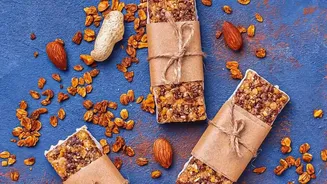
Alongside health, convenience is a powerful force. As urban lifestyles become more compressed and schedules more hectic, the demand for on-the-go nutrition has skyrocketed. A protein bar is the ultimate portable 'micro-meal' that can be thrown into a gym bag or a laptop case. It provides sustained energy and requires no preparation, a stark contrast to many traditional snacks. This has made protein and other nutritional bars an ideal choice for busy professionals, fitness enthusiasts, and anyone needing a quick, reliable source of fuel between meals. The online retail and quick-commerce boom has made these products even more accessible, with subscription models and instant delivery options catering to the modern consumer's need for immediate gratification.
How the Market Is Responding
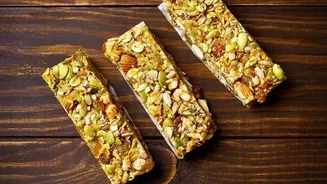
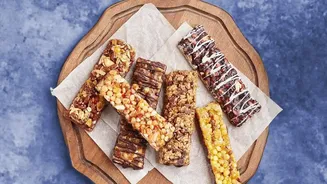
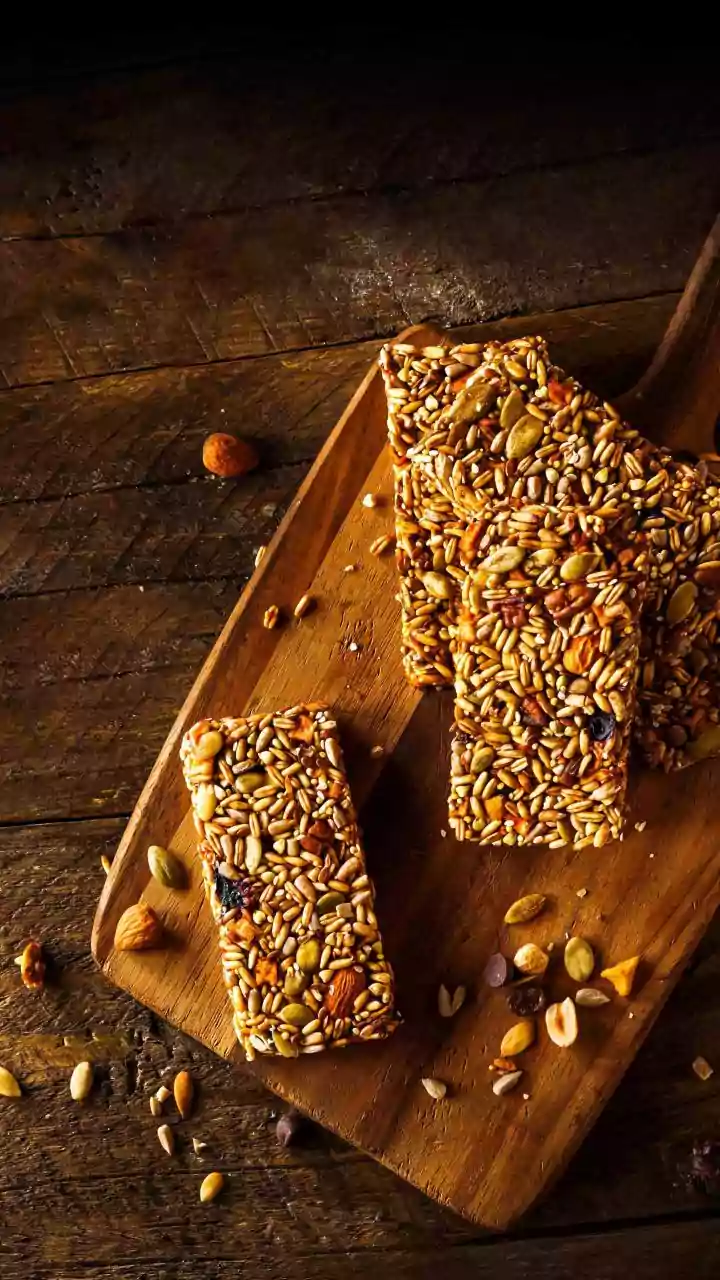
Sensing this shift, the food industry has responded with a flood of innovation. The Indian protein bar market, valued at over USD 130 million in 2025, is projected to grow steadily, with some forecasts predicting a CAGR of nearly 15% for protein-rich bars through 2031. This space is buzzing with activity, from agile D2C startups like The Whole Truth and Yoga Bar to FMCG giants like ITC and MuscleBlaze. These brands are competing on ingredients, flavour profiles, and transparency, offering everything from high-protein wafers to millet-based bars and plant-based options. The focus is on creating products that align with consumer values: high protein, low sugar, and no artificial additives.
Are Traditional Snacks Disappearing?
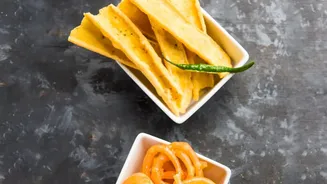
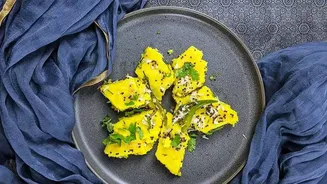
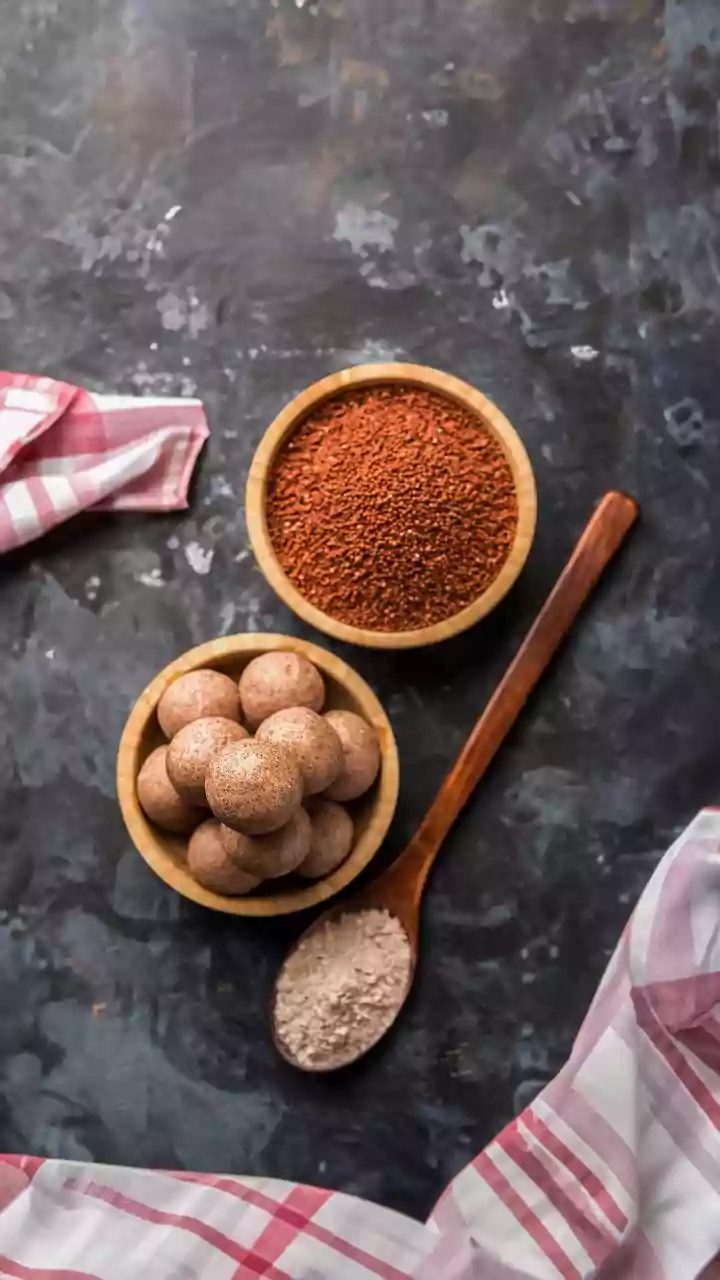
While protein bars are on the rise, it would be a mistake to write off traditional snacks. The Indian snacks market is enormous, projected to be worth over INR 1 lakh crore by 2034, and traditional favourites like biscuits, bhujia, and chips still command a huge share. The story is less about replacement and more about evolution and diversification. Many consumers are not abandoning traditional flavours but seeking healthier versions of them. This has led to a rise in baked namkeens, millet-based crackers, and roasted makhana as alternatives to their fried counterparts. Even legacy brands are innovating, frying snacks in healthier oils or highlighting the natural protein in ingredients like besan. The Indian snack market isn't shrinking; it's developing a more discerning palate.