




A Tale of Two Sugars
At a chemical level, glucose and fructose are both simple sugars, or monosaccharides, meaning they provide the same amount of energy, calorie for calorie. But that's where the similarities end. Glucose is the body's preferred, all-purpose fuel. It circulates
in your bloodstream and can be used by nearly every cell for immediate energy. Fructose, often called fruit sugar, is processed differently. While found naturally in fruits, it's also a key component of table sugar (sucrose) and high-fructose corn syrup (HFCS). Unlike glucose, fructose is almost entirely metabolized by the liver. This fundamental difference in processing is the key to understanding why they send such different messages throughout the body, especially to the brain.
The Gut-Brain Conversation on Hunger
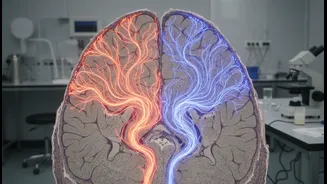
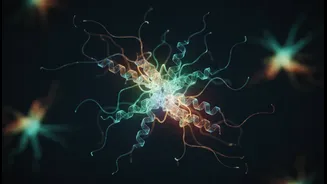
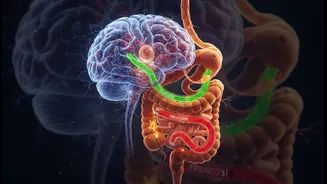
Recent studies, primarily in mice, have uncovered a fascinating divide in how our gut and brain respond to these two sugars. When you consume glucose, it effectively quiets the activity of key hunger-promoting brain cells known as AgRP neurons. This sends a strong, clear signal that you're full and satisfied. Fructose, however, is far less effective at silencing these same hunger neurons. It uses a completely different and more modest signaling pathway, involving a gut hormone called PYY and the vagus nerve, to tell the brain you've eaten. One study described fructose as being "markedly less effective than equicaloric glucose at suppressing AgRP neuron activity." The result is that even with the same calorie intake, glucose sends a powerful "I'm full" message, while the signal from fructose is more of a whisper.
Rethinking Cravings and Food Choices
This difference in hunger signaling may help explain why some foods seem to drive more consumption. Since fructose doesn't trigger a strong satiety signal or the same insulin release as glucose, the brain may not fully register the incoming energy, potentially promoting further eating. One human study found that after drinking fructose, participants had greater brain activity in reward and attention centers when shown pictures of high-calorie foods and reported greater hunger compared to when they drank glucose. Interestingly, researchers found that high-fructose corn syrup—a mix of both sugars—suppressed hunger neurons more than fructose alone, which might help explain its appeal in processed foods and drinks. The combination of glucose's satisfying signal and fructose's reward-center activation could be a powerful driver of preference.
The Main Caveat: Context Is Everything
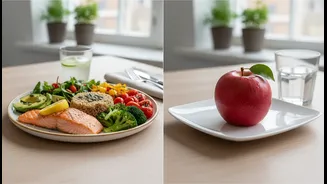
Before you clear your kitchen of all fructose, it's crucial to understand the limitations of this research. Much of the recent, detailed neural-pathway research has been conducted in mice, and human studies are needed to confirm these exact mechanisms. Furthermore, many studies use high, concentrated doses of pure fructose, which doesn't reflect how most people consume it. When you eat a piece of fruit, you're getting fructose packaged with fiber, water, and nutrients. This fiber slows down sugar absorption and provides its own signals of fullness. The real issue highlighted by this research is less about the sugar in a whole apple and more about added sugars, like high-fructose corn syrup, found in sodas and ultra-processed foods. Some research even suggests that in certain contexts, like for athletes or in isocaloric replacement, fructose doesn't show clear net harm compared to glucose and may even have some benefits for glycemic control.