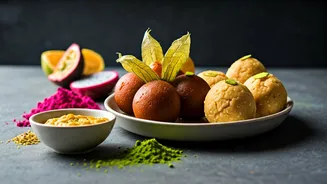



A Classic, Caramelised
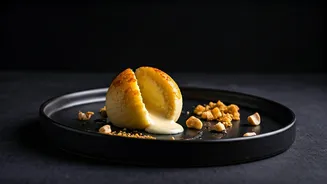
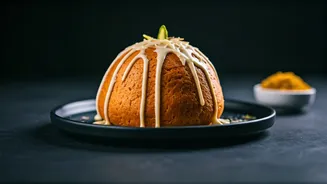
Imagine your beloved rasgulla, but transformed. Instead of swimming in a light sugar syrup, it’s nestled in a thick, creamy bath of condensed milk or rabri and baked until the top is beautifully browned and caramelised. The process involves taking syrup-soaked
rasgullas, gently squeezing out the excess liquid, and arranging them in a dish before they are drenched in a rich milk mixture and heated. The result is a dessert that offers a complex symphony of flavours and textures: a warm, slightly firm exterior gives way to the familiar soft, spongy core, now infused with a richer, creamier essence.
The Kolkata Connection
Like many culinary innovations, the baked rasgulla has its roots in a city known for its love of sweets: Kolkata. While the traditional rasgulla's origin is a hotly debated topic between West Bengal and Odisha, the baked version is widely considered a modern Bengali creation. Sweet makers, always looking to experiment, sought to create a new experience. They wanted something less syrupy and with a different textural profile than the original. By taking the classic and introducing it to the oven, they stumbled upon a creation that was both novel and deeply comforting, quickly turning it into a sensation that has spread across the country.
So, What About the Cheese?
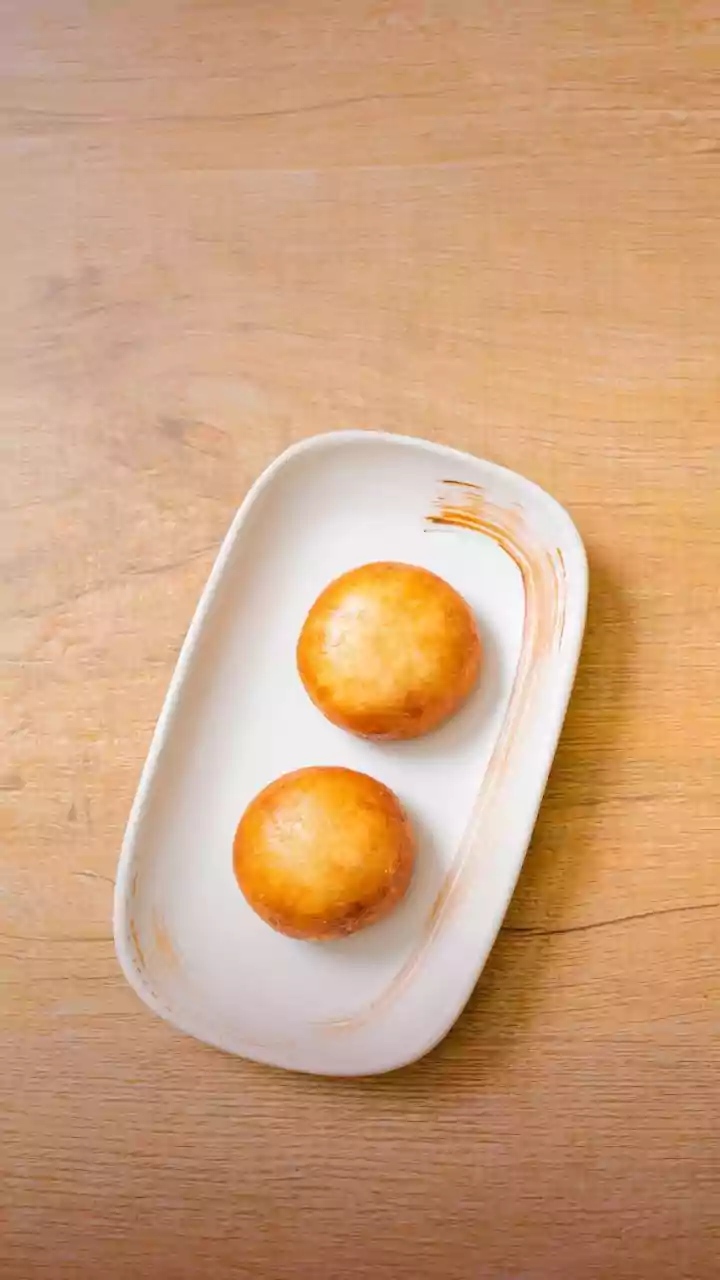
The second part of the headline might have you picturing a rasgulla topped with a slice of Amul, but the reality is more fundamental. Rasgulla, at its core, is a cheese-based dessert. It is made from 'chhena', a fresh, unripened curd cheese created by curdling milk. This chhena is kneaded into a smooth dough and then rolled into balls. So, when we talk about rasgulla and cheese, we're not talking about a recent fusion but the very essence of the sweet itself. The baking process enhances the inherent milkiness of the chhena, concentrating its flavour and combining it with the caramelised notes of the thickened milk to create a rich, decadent treat.
A Symphony of Taste and Texture
The appeal of the baked rasgulla lies in its delightful contrast. The top layer becomes slightly crisp and golden-brown, a perfect counterpoint to the soft, melt-in-your-mouth dumpling beneath. The thickened, cardamom-scented milk sauce, which reduces during baking, becomes a heavenly kheer- or rabri-like coating. This move from a simple sugary syrup to a complex, creamy base is a significant upgrade in texture and flavour. Foodies appreciate this complexity; it’s less about a singular sweet note and more about a layered experience that feels both indulgent and sophisticated.
A Trend with Staying Power
In an era of culinary fusion where new dishes trend daily, baked rasgulla has proven to be more than a fleeting fad. It joins a roster of successful fusion desserts like rasmalai cake and gulab jamun cheesecake that have captured the modern Indian palate. Its success lies in its ability to respect tradition while offering something new. It doesn't replace the original but provides an exciting alternative. For food lovers, it represents the best of both worlds: the nostalgia of a classic sweet combined with the excitement of a contemporary preparation method. It’s a testament to the endless creativity of Indian cuisine.