



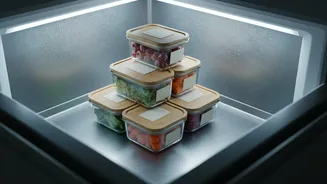
Why Smart Labelling Is Worth the Effort
A well-organised freezer is more than just aesthetically pleasing; it's a powerful tool for saving money, time, and reducing food waste. Effective labelling prevents you from throwing away perfectly good food simply because you can't identify it. It ensures
you use older items first, following the 'First-In, First-Out' (FIFO) principle used in professional kitchens. This systematic approach not only preserves the quality and taste of your food but also makes meal planning a breeze. Knowing exactly what you have on hand means fewer last-minute trips to the shop and less decision fatigue at dinner time. While food stored at or below 0°F is safe indefinitely, its quality deteriorates over time. Clear dates help you consume items while they are still at their best.
The Three Pillars of a Perfect Label
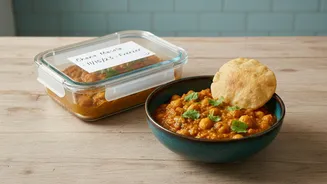
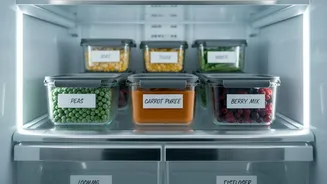
To make your system effective, every label needs three core pieces of information, as highlighted in the headline: the dish name, the date it was frozen, and the portion size. The 'Dish Name' should be specific. Instead of just 'Soup,' write 'Spicy Tomato Soup.' This prevents any flavour surprises. The 'Date' is crucial for tracking freshness and ensuring you rotate your stock properly. The date it was frozen helps you gauge how long it's been stored. The 'Portion Size' is a game-changer for convenience. Noting '2 servings' or 'Family size' helps you grab exactly what you need for a meal without having to guess or thaw too much food.
Elevate Your System with Extra Details
Once you have the basics down, adding a few extra details can make your labels even more useful. Consider including reheating instructions, such as 'Thaw overnight, reheat on stove'. This is incredibly helpful for other members of the household and for your future self. If you have family members with allergies, noting key ingredients can be a critical safety measure. Another pro tip is to add a 'Use-By' date. This isn't about food safety, but rather peak quality. For example, while ground meat is safe for longer, its quality is best within 3-4 months. A 'Use-By' date encourages you to consume the item before its texture and flavour decline.
Choosing the Right Tools for the Job
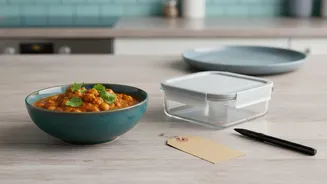
Your labelling system is only as good as the tools you use. Regular labels and pens often fail in the freezer's cold, moist environment. Adhesives can become brittle and peel off, while ink can smudge. Invest in labels specifically designed for freezer use; they use adhesives that stay flexible and tacky at low temperatures. For writing, a permanent marker is essential. Oil-based or industrial markers are even better, as they resist moisture and temperature changes more effectively. There are several great options for labels themselves: dissolvable labels wash away with no sticky residue, making them perfect for reusable containers. You can also use masking tape, which is a classic, budget-friendly choice. For a more sustainable system, consider reusable laminated labels attached with velcro or erasable markers on designated containers.
Making It a Lasting Habit
The key to a successful freezer organisation system is consistency. The best way to make it stick is to integrate it into your cooking routine. Keep your labels and markers right next to where you portion out leftovers or batch-cooked meals. Don't wait to label things. Apply the label to your container at room temperature, before it goes into the freezer, for the best adhesion. If you find it overwhelming to label everything at once, start small. Begin by labelling only the new items you add to the freezer. You can also use colour-coded bags or bin labels to categorise different types of food like meats, vegetables, and pre-made meals, making it even easier to find what you need at a glance. Once in place, the system will save you far more time than it takes to maintain.