




What Exactly Is El Niño?
El Niño, which means “The Little Boy” in Spanish, is a climate pattern defined by the unusual warming of surface waters in the central and eastern Pacific Ocean. This event occurs irregularly, typically every two to seven years. Under normal conditions,
trade winds blow warm water from the Americas towards Asia. During an El Niño, these winds weaken or even reverse, causing a massive pool of warm water to shift eastward. This change might seem distant, but it disrupts atmospheric circulation patterns across the globe, leading to significant weather changes far from the Pacific, including in India.
The Critical Monsoon Connection
India’s agriculture and economy are heavily dependent on the annual southwest monsoon, which provides about 70% of the country's annual rainfall. El Niño significantly disrupts this vital weather system. The warming of the Pacific Ocean alters pressure systems, which can weaken the monsoon winds blowing towards India. This often results in reduced rainfall across the subcontinent. Historical data shows a strong correlation: many of the most severe droughts in India's history have occurred during El Niño years. For instance, recent reports from September 2026 indicate that strengthening El Niño conditions are contributing to what could be the driest monsoon in 17 years.
Threats to Food Supply and Agriculture
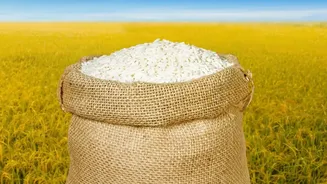
A weak monsoon is a direct threat to India's food security. A significant portion of India's farmland is rain-fed, meaning it relies entirely on monsoon rains for irrigation. Deficient rainfall particularly affects the Kharif (summer) crops, which include staples like rice, maize, soybeans, and cotton. Lower rainfall can lead to reduced crop yields, and in severe cases, crop failure. This not only impacts the livelihoods of millions of farmers but also puts pressure on the nation's food supply, potentially leading to shortages and driving up food inflation. Recent price increases in sugar, eggs, and chicken have already been linked to the effects of a weakened monsoon.
Strain on Water Security
Beyond the fields, a poor monsoon season places immense strain on India's water resources. Reduced rainfall means that rivers, lakes, and reservoirs—critical sources for drinking water, sanitation, and industry—are not adequately replenished. As of September 2026, reports show that India's major water reservoirs are holding significantly less water than the previous year due to the rainfall deficit. This water scarcity affects urban and rural communities alike. Furthermore, it impacts the Rabi (winter) crop season, which depends on water stored in reservoirs for irrigation. A deficit also curtails hydroelectric power generation, potentially leading to power shortages.
The Economic Ripple Effect
The agricultural sector forms a substantial part of India's GDP, and a downturn has widespread economic consequences. A weak harvest caused by El Niño can slow down the entire economy. It increases rural distress, reduces farmers' purchasing power, and forces the government to implement costly support measures. Simultaneously, lower food production leads to higher inflation, straining household budgets across the country. The Reserve Bank of India often flags El Niño as a major risk to its inflation forecasts, as unpredictable weather can quickly unravel economic stability. Recognizing these threats, the government has been reviewing preparedness and has taken steps like updating contingency plans and managing food stocks.