



The New Lunar Gold Rush
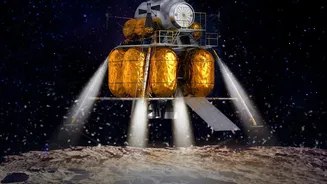
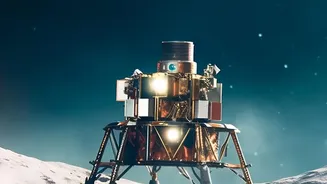
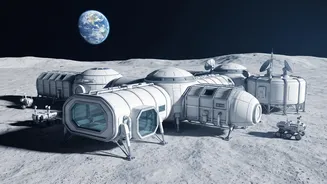
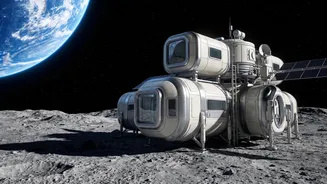
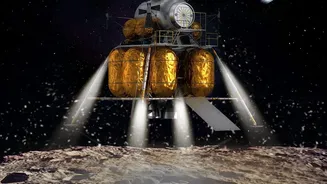
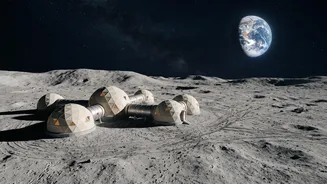
A renewed global push towards the Moon, spearheaded by initiatives like NASA's Artemis program, has ignited a vibrant commercial market. The key driver is the Commercial Lunar Payload Services (CLPS) program, where NASA buys transport services from private
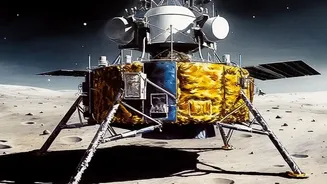
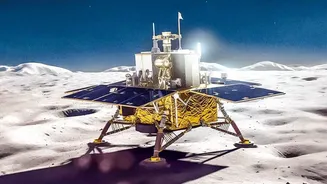
companies to deliver science and technology payloads to the lunar surface. This has created a booming industry for commercial landers built by American firms. These landers, in turn, need vehicles to explore, creating a massive business opportunity for rovers—mobile robots that can carry instruments, collect data, and scout locations far from the landing site. Dozens of rover missions are planned over the next decade, with a major focus on the resource-rich lunar South Pole. This predictable demand for 'mobility-as-a-service' on the Moon is precisely the gap that savvy Indian entrepreneurs are aiming to fill.
India's Frugal Engineering Edge
India has a well-earned reputation for 'frugal innovation' in space, exemplified by ISRO's remarkably cost-effective Mars Orbiter Mission and Chandrayaan missions. This philosophy now powers a new generation of private companies. The Indian space startup sector has seen a dramatic surge in investment, with funding crossing $871 million as investors gain confidence in local engineering. Since the government opened the space sector to private players in 2020, over 450 startups have emerged, supported by enabling bodies like IN-SPACe. While launch vehicle startups like Skyroot and Agnikul Cosmos have captured headlines, a quieter revolution is happening in robotics. Companies are leveraging this ecosystem to build lunar rovers that are smaller, more agile, and significantly cheaper than their state-funded predecessors.
How to Build a Moon Rover on a Budget
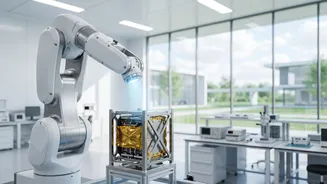
The secret to low-cost rover development lies in a new approach to design and manufacturing. Instead of building every component from scratch to achieve 'space-grade' perfection, which is time-consuming and expensive, startups are smartly integrating reliable, high-grade industrial and automotive components. This, combined with rapid prototyping using technologies like 3D printing and a focus on smaller, lighter designs, drastically cuts down development time and cost. For example, Bengaluru-based startup Kepler Aerospace, founded by ISRO veterans, exemplifies this new wave of talent. While Kepler is currently focused on defence satellites, its founders have experience that includes work on a lunar nano-rover project, highlighting the kind of expertise flowing into the ecosystem. By focusing on specific functions and modular designs, these startups can produce capable rovers without the multi-billion dollar price tags common in legacy space programs.
Finding a Ride to the Moon
Building a rover is only half the battle; getting it to the Moon is the other. Indian startups are not planning to launch their own lunar missions. Instead, their business model is to sell their rovers—or the data they collect—to the growing list of international commercial lander missions. Companies like America's Firefly Aerospace, Intuitive Machines, and Astrobotic are all contracted to fly multiple missions to the Moon. They often have space and weight capacity to carry additional payloads from third parties. An Indian-built rover could hitch a ride on one of these landers, providing a cost-effective way for the lander company to expand its mission capabilities while giving the Indian startup a path to the lunar surface. This symbiotic relationship is crucial for the growth of the commercial lunar economy, where international collaboration becomes the norm.
Challenges and the Road Ahead
The path to the lunar surface is filled with challenges. The Moon is an unforgiving environment, with extreme temperature swings, abrasive dust, and high radiation. Proving that a rover built with commercial components can survive and operate reliably is the ultimate test. Securing funding for the expensive flight qualification and launch stages remains a significant hurdle. Furthermore, the competition is global, with companies from many nations vying to place their technology on the Moon. However, with the Indian government's strong backing for private space enterprise and a deep pool of engineering talent, the future looks bright. Projections estimate India's space economy could grow from $8 billion to $44 billion by 2033, and these innovative startups are poised to capture a significant piece of that interstellar pie.