




More Than National Pride
The original space race was a geopolitical contest fueled by the Cold War, a duel for ideological supremacy. Today, while national prestige still plays a role, the primary drivers are economic and strategic. [22] The global space economy is projected
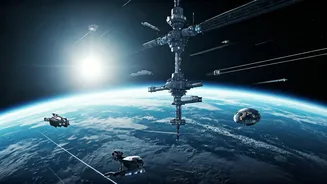
to skyrocket to $1.8 trillion within a decade, attracting a flood of private investment. [20] This new era is defined by a powerful mix of government agencies and deep-pocketed private companies, all with ambitions that extend far beyond a lunar visit. [6, 12] The goals now include establishing a sustainable human presence on the Moon, building commercial space stations, and eventually, enabling human missions to Mars. [1, 5] This shift transforms space from a government-run frontier into a bustling commercial marketplace. [10]
The New Players: Nations and Billionaires
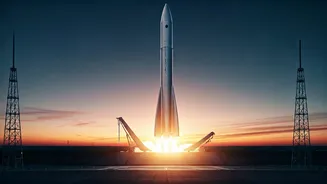
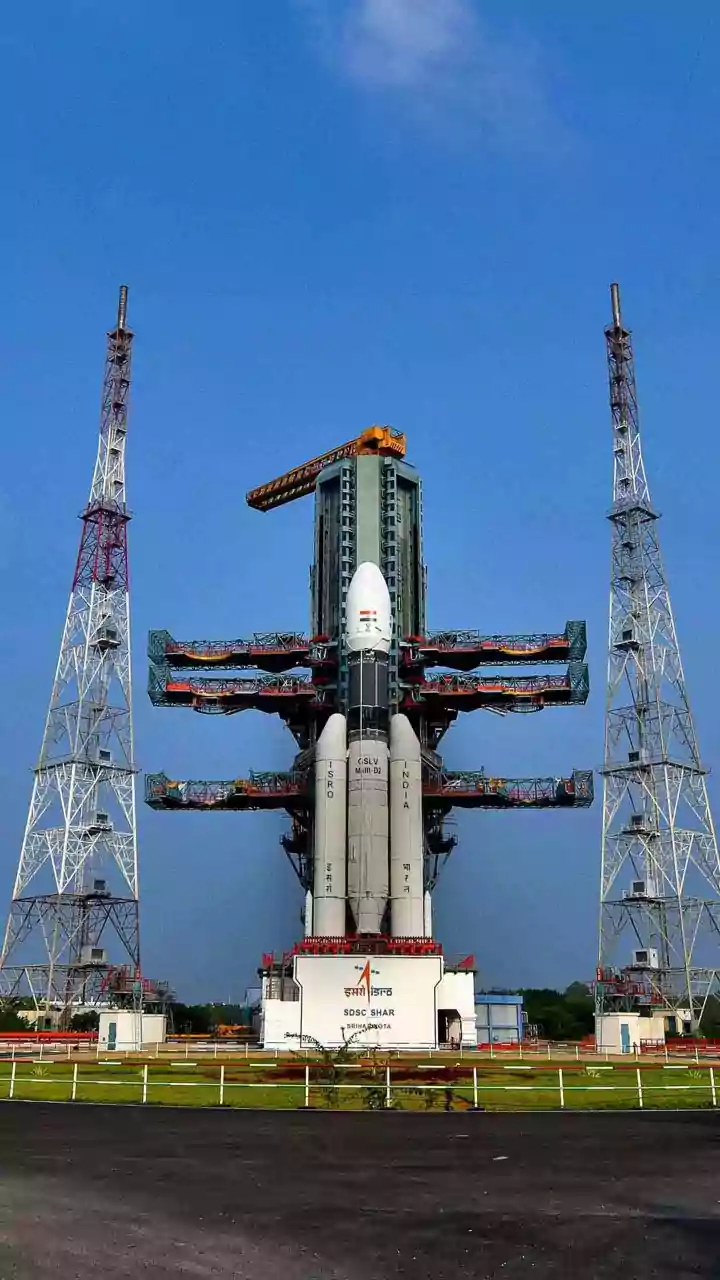
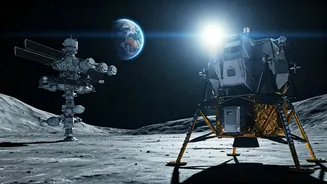
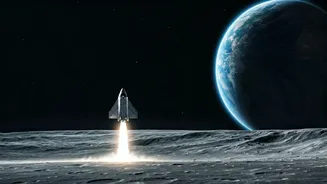
The 21st-century space race is a multi-polar competition. On one side, you have the United States' Artemis program, a NASA-led initiative aiming to establish a permanent human presence on the Moon with a coalition of international partners under the Artemis Accords. [2, 7, 9] On the other, China is leading the International Lunar Research Station (ILRS) project, with partners like Russia, Pakistan, and Venezuela, with the explicit goal of a crewed lunar landing by 2030 and a permanent base by 2035. [11, 15, 24] These two blocs represent competing visions for governance and operations on the Moon. [7, 13, 16] Simultaneously, private companies like Elon Musk's SpaceX and Jeff Bezos's Blue Origin are revolutionizing the field. [6, 8] With reusable rockets dramatically cutting launch costs and the development of heavy-lift vehicles like Starship and New Glenn, these companies are not just contractors; they are key players with their own grand designs for space tourism, satellite mega-constellations, and ultimately, making humanity a multi-planetary species. [3, 5, 21, 22]
The Destination: A Lunar Economy and Beyond
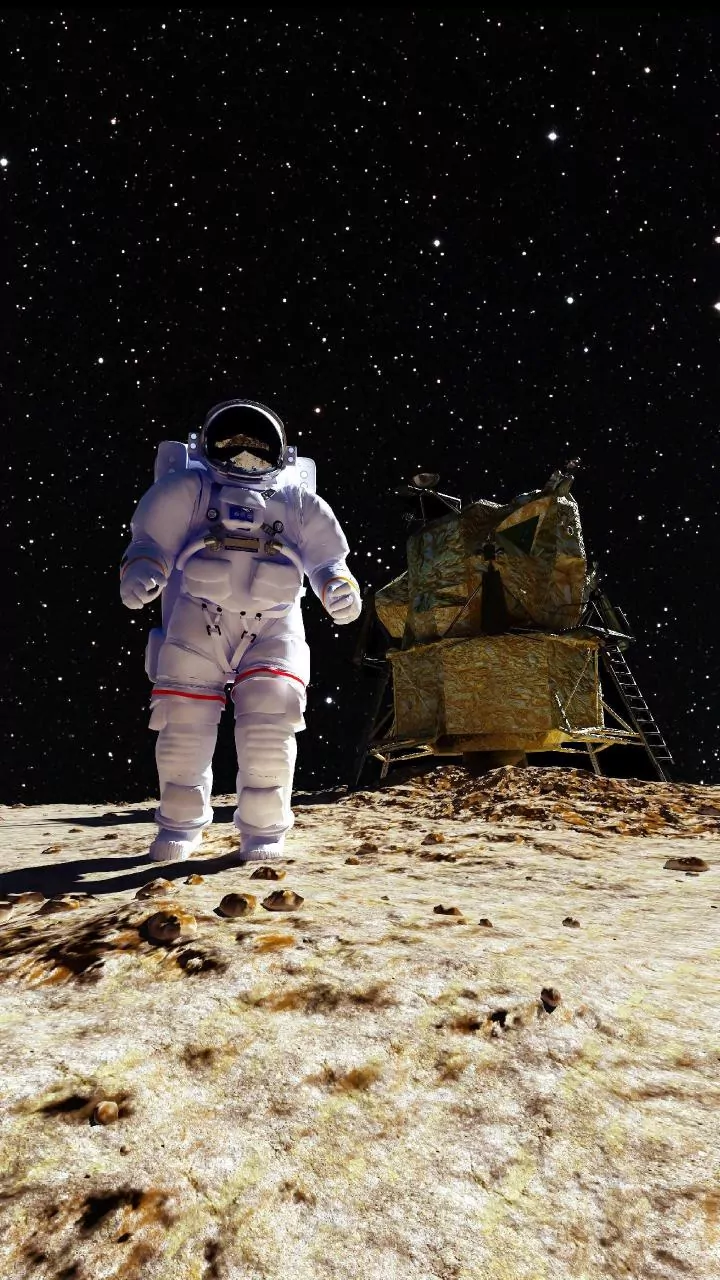
The Moon is the first stop, but it's no longer the final prize. It's seen as a crucial stepping stone—a testbed for technologies needed for Mars and a potential industrial hub. [9] The Artemis program and China's ILRS both aim to build base camps near the Moon's South Pole, where water ice could be mined. [4, 24] This ice is a game-changer; it can be converted into drinking water, breathable air, and, most importantly, rocket fuel. [4, 9] This would effectively turn the Moon into a cosmic refueling station, making deep space missions to Mars and beyond far more feasible. [2] Beyond the Moon, the asteroid belt is the next frontier. [2] These celestial bodies are rich in valuable metals like platinum, cobalt, and nickel, which are in high demand on Earth for everything from batteries to electronics. [3]
The Ultimate Prize: Mining the Heavens
The concept of asteroid mining is rapidly moving from science fiction to viable business plan. [3, 17] Companies like AstroForge and TransAstra are developing technologies to capture and process resources from asteroids in space. [14, 17] The economic logic is compelling: as terrestrial resources become scarcer and demand surges, the immense mineral wealth of the solar system becomes increasingly attractive. [3] Falling launch costs are making the economics of space resource extraction more plausible, though significant technical and regulatory hurdles remain. [3, 17, 18] The Outer Space Treaty of 1967 forbids nations from claiming sovereignty over celestial bodies, but the legality of extracting and owning resources is a developing area of international law, with countries like the US creating domestic frameworks to support commercial exploitation. [7, 18, 19] Whoever cracks the code for industrial-scale space mining won't just get rich; they'll reshape global supply chains and power the expansion of humanity into the solar system. [3, 18]