




Identifying the Unwanted Guests
To win the battle, you first need to know your enemy. Aphids and mealybugs are two of the most common sap-sucking pests found on balcony plants. Aphids are tiny, pear-shaped insects that can be green, black, yellow, or pink. They often cluster on new
growth and the undersides of leaves, draining the plant of vital nutrients. Mealybugs, on the other hand, look like small, white, cottony masses. They are slow-moving and tend to hide in the joints where leaves meet the stem or even on the roots. Both pests secrete a sticky substance called honeydew, which can lead to the growth of sooty mould.
The Soapy Water Solution
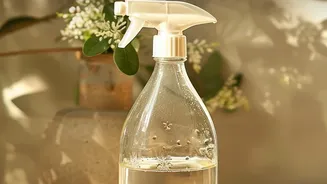
Your first line of attack is a simple soap spray. This method is effective because soap dissolves the protective outer layer of soft-bodied insects like aphids and mealybugs, causing them to dehydrate and die. To make it, you don't need a special insecticidal soap, though those are formulated to be gentle on plants. A simple homemade version works well. Mix one to two teaspoons of a mild liquid dish soap—one without degreasers, bleach, or harsh detergents—into about one litre of water. It's best to use soft or distilled water, as minerals in hard water can reduce the spray's effectiveness.
Harnessing the Power of Neem Oil
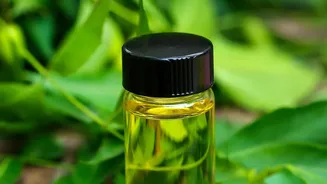
Neem oil, derived from the seeds of the Azadirachta indica tree native to India, is a cornerstone of organic gardening. Its primary active compound, azadirachtin, is a powerhouse against pests. It acts as a repellent, an appetite suppressant that causes pests to starve, and a hormone disruptor that halts their growth and reproduction. Neem oil is most effective on immature insects but also works by suffocating adult pests like aphids and mealybugs on contact. To prepare a spray, mix one to two teaspoons of cold-pressed neem oil and a half teaspoon of mild liquid soap (which acts as an emulsifier to help the oil and water mix) with one litre of warm water.
Proper Application is Key
How you apply these sprays is just as important as what's in them. First, always perform a patch test. Spray a small, inconspicuous part of your plant and wait 24 to 48 hours to ensure there is no leaf damage, as some plants can be sensitive. The best time to spray is in the early morning or evening when temperatures are cooler and the sun is not directly on the plants, which prevents leaf burn and allows the solution to stay wet longer to work effectively. Be thorough. Pests hide on the undersides of leaves and in crevices, so ensure you coat all surfaces of the plant until they are dripping wet. Since these sprays only work on direct contact, they have no residual effect once dry.
Be Patient and Persistent
Natural treatments are not an instant fix. A single application will rarely eliminate an entire infestation. You will need to reapply your chosen spray every five to seven days for two or three weeks to break the life cycle of the pests. This ensures you get not only the adults but also any nymphs that hatch after your initial treatment. Keep a close eye on your plants during this period. If you see the pest population declining, you know your efforts are paying off. For stubborn individual mealybugs, you can also dip a cotton swab in rubbing alcohol and touch the pest directly to dissolve its waxy coating.
Preventing Future Infestations
Once your plants are pest-free, the goal is to keep them that way. Prevention is always the best strategy. Regularly inspect your plants, including the undersides of leaves, for any early signs of trouble. Ensure your plants have good air circulation and avoid overwatering, as damp conditions can attract pests. When you bring a new plant home, quarantine it for a week or two to make sure it isn't carrying any hidden invaders before placing it with your other plants. A healthy plant is also a plant that is more resilient to pests, so proper watering and feeding are your best long-term defence.