






Why Constantly Wet Soil Is the Enemy
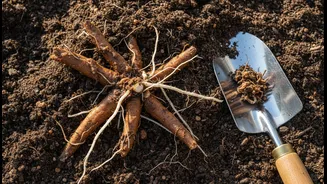
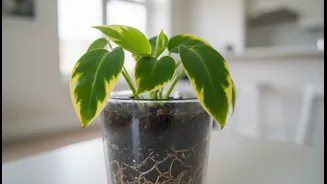
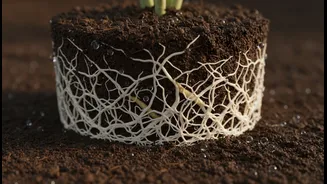
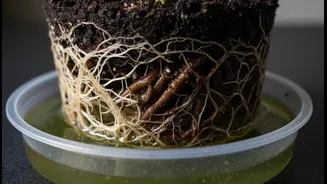
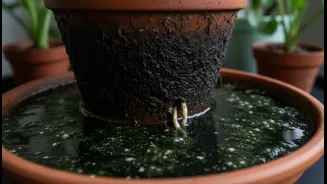
It seems counterintuitive, but overwatering is often more dangerous for potted plants than underwatering. The primary reason is oxygen. Plant roots need to breathe just as much as they need to absorb water. When potting mix is constantly saturated, the tiny
air pockets in the soil that hold oxygen are filled with water. This effectively suffocates the roots, leading to a condition called root rot. Rotted roots can no longer supply the plant with the water and nutrients it needs, leading to a plant that looks like it's thirsty even though it's sitting in soggy soil. Furthermore, perpetually damp conditions create a perfect breeding ground for fungus and pests like fungus gnats, which thrive in moist environments. By letting the top layer of soil dry out, you allow air to return to the root zone, preventing rot and keeping your plant healthy.
Three Simple Ways to Check for Dryness
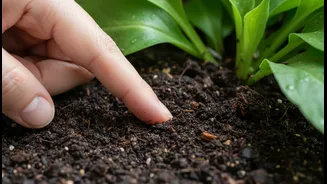
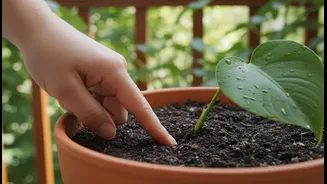
Ditching a rigid watering schedule for regular moisture checks is the best habit you can adopt. The easiest method is the finger test: simply insert your finger into the soil up to your first or second knuckle. If the soil feels dry at your fingertip, it's likely time to water. If it feels moist, wait another day or two before checking again. For a deeper reading, especially in large pots, the wooden skewer or chopstick method is invaluable. Push a dry skewer deep into the pot, avoiding the main root ball. If it comes out clean and dry, the soil is dry. If it comes out with damp soil clinging to it, there's still plenty of moisture below the surface. A third technique is simply lifting the pot. You will quickly get a feel for how heavy the pot is when it’s fully watered versus when it’s dry. A pot that feels surprisingly light is a clear sign it needs a drink.
Is It Overwatered or Underwatered?
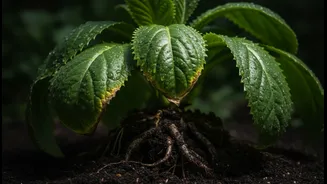
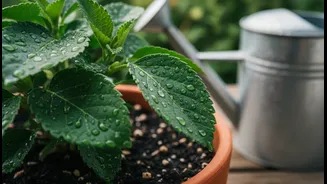
Confusingly, the symptoms for both overwatering and underwatering can look very similar, often involving yellowing or drooping leaves. This is why checking the soil moisture is the crucial first step in diagnosis. However, there are subtle differences in the leaves themselves. An overwatered plant’s yellowing leaves often feel soft and limp, and the stem might be mushy near the soil line. You might also see brown spots with yellow halos. In contrast, an underwatered plant's leaves will typically feel dry and crispy at the edges. Drooping in an underwatered plant is due to a lack of water pressure in the cells, while in an overwatered plant, it’s because the rotting roots can no longer function. If the plant perks up quickly after a good watering, it was likely just thirsty. If it droops despite wet soil, you have a root problem.
Not All Plants Follow the Same Rules
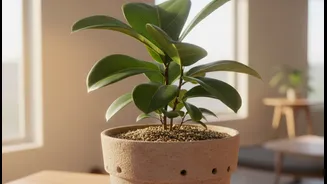
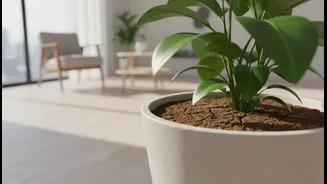
The advice to let soil dry out is a fantastic rule of thumb for the majority of common houseplants, including succulents, cacti, snake plants, and pothos. These plants are adapted to periods of dryness. However, it's not a universal law. Some plants, particularly those from tropical rainforest floors, prefer to stay consistently moist (but never soggy). Moisture-loving plants include many ferns, calatheas, and peace lilies. For these species, you should water when the very top surface of the soil just begins to feel dry, rather than waiting for the top few inches to dry out completely. Other factors like the season, the amount of light the plant receives, room temperature, and the type of pot (terracotta dries out much faster than plastic) will also affect how often a plant needs water. Observing your specific plant in its unique environment is always the best guide.