





As cooler weather arrives, balconies can often look a little bleak. But they don't have to. With the right plants, you can create a vibrant, welcoming space. Enter pansies and sweet alyssum, a dynamic duo perfect for cold-weather charm.
The Perfect Cold-Weather Pair
Pansies (Viola
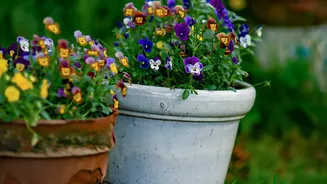
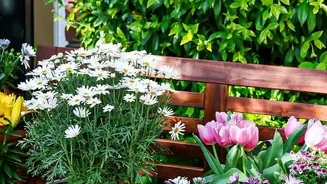
x wittrockiana) are the stars of the cool-season garden, known for their cheerful 'faces' and incredible resilience. They thrive in temperatures that send summer annuals into decline, and can even survive light frosts. Sweet alyssum (Lobularia maritima), with its delicate, honey-scented blossoms, is the perfect partner. It grows in a low, spreading manner, creating a soft carpet of flowers that can beautifully spill over the edges of containers, softening the look. Together, they create a 'filler and spiller' combination: the upright pansies provide bold spots of colour, while the alyssum fills in the gaps and cascades gracefully.
Planting for an Indian Winter
In most of India's plains, the ideal window to plant pansies and sweet alyssum is from late September to mid-November, once nighttime temperatures have started to cool. Pansies, in particular, germinate best when temperatures are around 18°C. Planting during this period gives them enough time to establish strong roots before the peak winter season, ensuring a long blooming period from December through to March. If you live in the hills, your planting window might be different, but the principle remains the same: plant them as the weather begins to cool for months of continuous colour.
Choosing Pots and Soil
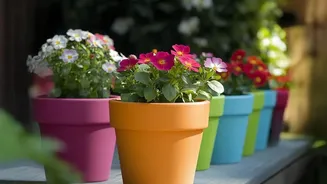
Both pansies and sweet alyssum thrive in containers, making them ideal for balconies. The most crucial factor is drainage. Ensure your chosen pots, whether they are classic terracotta, window boxes, or hanging baskets, have ample drainage holes. A standard 6 to 8-inch pot is sufficient for a single pansy plant. For the potting mix, avoid using heavy garden soil, which can become compacted and waterlogged. A high-quality, well-draining potting mix is best. You can create your own by blending garden soil, cocopeat, and compost in roughly equal parts. A good mix for Indian conditions is 40% garden soil, 30% compost or vermicompost, and 30% cocopeat.
Your Planting Guide
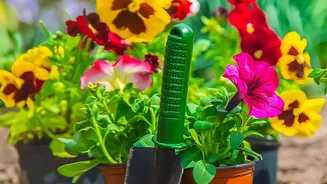
When buying seedlings from a nursery, look for compact, bushy plants with healthy, dark green leaves and plenty of buds. When you're ready to plant, gently remove the seedlings from their nursery containers. If the roots are tightly bound, carefully loosen them to encourage them to spread into the new soil. Position your pansies first, giving them enough space, and then tuck the sweet alyssum plants around them and along the edges of the pot. Plant them at the same depth they were in their nursery pots, firm the soil gently, and water thoroughly to settle them in.
Sunlight and Watering
For the most abundant blooms, your balcony garden will need at least six hours of sunlight per day. In the gentle winter sun of most Indian regions, full sun is ideal. Watering is critical, but overwatering is a common mistake. These plants do not like to sit in soggy soil. Water them only when the top inch of the soil feels dry to the touch. It's best to water in the morning, which allows the foliage to dry before nightfall, reducing the risk of fungal diseases.
Care for Continuous Blooms
To keep your plants flowering profusely, the single most important task is 'deadheading'. This simply means pinching or snipping off the faded flowers. This prevents the plant from putting energy into producing seeds and instead encourages it to produce more blooms. You can also feed your plants with a balanced liquid fertilizer every few weeks to provide the nutrients they need for a long flowering season. If your sweet alyssum starts to look a bit leggy, you can shear it back by about a third to encourage bushier growth and a fresh flush of flowers.