






A Return to Our Roots
For a time, the pinnacle of modern Indian dining seemed to involve imported ingredients like truffle and quinoa. But the tide is turning. A new generation of chefs is leading a powerful shift, looking past global trends and diving deep into the culinary
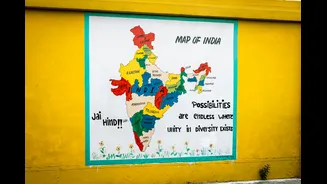
heritage of India’s own diverse regions. They are moving away from the once-dominant Punjabi and Mughlai menus to explore the hyper-local and seasonal produce that truly defines Indian food. This isn't just about nostalgia; it’s a movement of confidence, where the biography of an ingredient—its origin, its story, its traditional use—is the new luxury. Chefs are acting as culinary archivists, travelling to villages and collaborating with home cooks to understand and preserve ingredients and techniques before they are forgotten.
The King of Limes Steps Out
Take the Gondhoraj Lebu, the 'king of limes' from Bengal. For ages, a single wedge has been enough to elevate a simple dal, its unparalleled aroma a staple in Bengali households. But its potential was largely a regional secret. Now, chefs are harnessing its intensely fragrant zest and clean, tangy juice in ways grandma never imagined. It’s appearing in the marinade for a delicate steamed Bekti, in yogurt-based grills, and even as a refreshing sorbet that acts as a palate cleanser between courses. Modern kitchens are also infusing it into cocktails and juleps, proving that this humble lime has a place far beyond the family dinner table.
Manipur's Treasure: Black Rice
From the East, another hero emerges: Chak-hao, the aromatic black rice of Manipur. Traditionally reserved for festive occasions and kheer, this 'forbidden rice' is celebrated for its nutty flavour and striking purple hue when cooked. Rich in antioxidants, it’s now being recognised not just as a superfood but as a versatile culinary ingredient. Fine-dining restaurants are reimagining it in savoury dishes, moving beyond its role in desserts. You might find it as the base for a modern rice bowl, in a gourmet salad, or even ground into flour for other creations, bringing its unique texture and visual drama to a national audience.
The Cheesy Revival
The rediscovery extends to India's forgotten artisanal cheeses. Beyond paneer, varieties like Kalimpong from West Bengal are finding favour. Originally introduced by Swiss missionaries, this semi-hard cheese has a mild, adaptable flavour that makes it perfect for salads or charcuterie boards. Similarly, Kalari, a stretchy, mozzarella-like cheese from Jammu, is moving from a local street food snack to a celebrated ingredient in restaurants. Chefs are now pan-frying it until crisp or stuffing it into pastries, showcasing how these regional specialties can replace imported cheeses with something authentically Indian.
The Philosophy of Flavour
This movement is driven by a powerful philosophy: that progress doesn't require erasure. Chefs like Prateek Sadhu, who champions Himalayan ingredients, and Thomas Zacharias, an advocate for regional produce, are leading the charge. They believe that the future of Indian food lies in celebrating its own biodiversity. By focusing on ingredients like pungent Jakhiya seeds from the mountains or the sour wild melon Kachri from Rajasthan, they are not just creating new dishes; they are preserving cultural and ecological history on a plate. This approach honours the wisdom of traditional kitchens while adapting it for a contemporary context, creating food that is both innovative and deeply rooted in its origins.