


Start with Official Weather Alerts
Before you do anything else, consult the official sources. The India Meteorological Department (IMD) is the government's definitive agency for weather forecasting. Their website (mausam.imd.gov.in) provides the most reliable information, including district-level
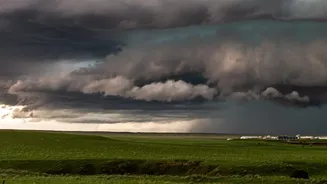
warnings and impact-based forecasts. It is crucial to understand their colour-coded alerts: Green means all is well; Yellow advises you to be aware; Orange means be prepared for disruptions; and Red signals a need to take action due to severe weather. For broader safety advisories, including risks of landslides in hilly regions, check the National Disaster Management Authority (NDMA) portal. According to IMD bulletins from August 31, heavy to very heavy rainfall is expected in several states including Odisha, Chhattisgarh, Uttarakhand, and parts of Northeast India into the first week of September.
Monitor Your Mode of Transport
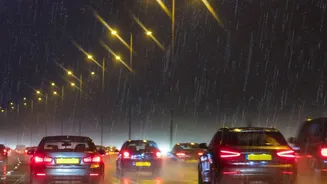
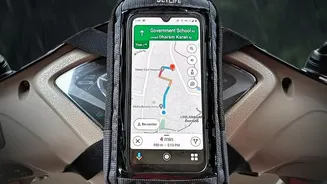
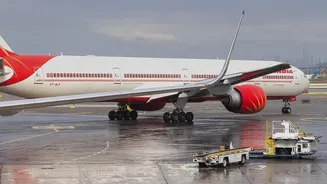
Heavy rain can severely impact flights, trains, and roads. For air travel, check your flight status directly with the airline frequently before heading to the airport. According to Directorate General of Civil Aviation (DGCA) guidelines, if a flight is cancelled due to weather, passengers are entitled to a full refund or an alternative flight. For significant delays, airlines are also required to provide meals and refreshments. For road trips, check for real-time traffic updates and closures using apps like Mappls or Google Maps. Driving during heavy rain requires extra caution: slow down, maintain a safe distance from other vehicles, and never attempt to drive through waterlogged roads, as you cannot judge the depth or see hidden potholes. For those travelling by train, keep an eye on official railway announcements for delays or route diversions.
Use Technology to Your Advantage
Your smartphone can be your most powerful tool. Download reliable weather apps that provide real-time radar imagery, like Weather & Radar or others that source data from official agencies. These apps often feature live precipitation maps, allowing you to see exactly where it is raining and how storm systems are moving. Many also offer severe weather alerts and hourly forecasts, which are invaluable for planning your day. Beyond weather, traffic apps can help you navigate around waterlogged areas or accident sites, saving you significant time and stress. Before you leave, make sure you have a fully charged power bank, as travel delays can leave you without access to a charging point for extended periods.
Check Your Accommodation and Destination
Once you have your travel sorted, turn your attention to your destination. Contact your hotel or resort directly to confirm that they are operational and accessible. In hilly areas like Uttarakhand or Himachal Pradesh, landslides can block access roads. In coastal areas, check for warnings about high tides or flooding. It is also wise to ask about the local situation. Are nearby tourist spots open? Are there any local advisories in effect? A quick phone call can provide peace of mind and help you avoid arriving at a location that is cut off or where activities are suspended. This is especially important if you are travelling to remote or ecologically sensitive areas.
Review Your Travel Insurance
Travel insurance is a critical safety net, especially during monsoon season. Before your trip, review your policy to understand what is covered. Look for clauses related to trip cancellation, interruption, or delays due to weather. If your flight is cancelled or your trip is cut short because of a natural disaster, insurance may reimburse you for non-refundable expenses like hotel bookings and flights. Many policies offered in India cover disruptions caused by inclement weather. However, keep in mind that for coverage to apply, the policy must typically be purchased before a weather event (like a cyclone) is officially named. If you don’t have insurance, it is worth considering for any future travel, as it provides financial protection against a wide range of unforeseen events.
Pack Smart for the Rain
Finally, pack with the weather in mind. A lightweight waterproof jacket, a sturdy umbrella, and waterproof footwear with good grip are essential. Opt for quick-drying synthetic clothes instead of cotton. To protect your electronics and important documents like your ID and tickets, use waterproof bags or even simple zip-lock pouches. It is also a good idea to carry a basic first-aid kit with antiseptic wipes, bandages, and any personal medications. Given the prevalence of mosquitoes during the monsoon, an insect repellent is a must-have to protect against vector-borne diseases.