


A Glimpse into the Future of Farming
Held from July 9th to 13th, the 24th edition of Agri Intex has once again positioned Coimbatore as the epicentre of agricultural innovation in India. Organised by the Coimbatore District Small Industries Association (CODISSIA), the event brings together
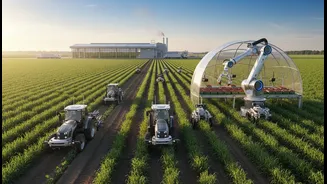
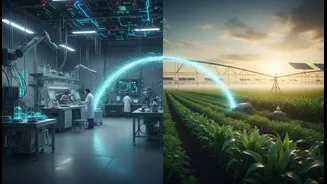
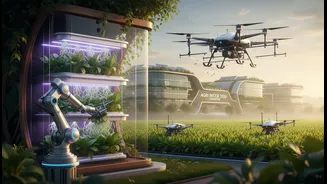
hundreds of companies from across India and countries like Italy, Japan, and the US. It’s a sprawling exhibition where farmers, entrepreneurs, and policymakers converge to witness the latest in farm mechanisation, horticulture, and food processing. This year, the focus is sharply on automation and smart farming, driven by pressing needs like climate change, labour shortages, and the quest for higher productivity.
Drones: The New Eyes in the Sky
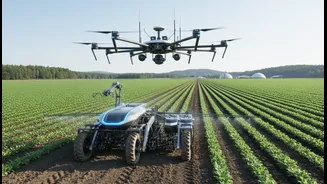
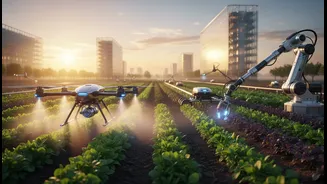
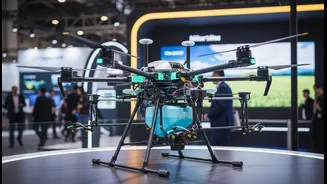
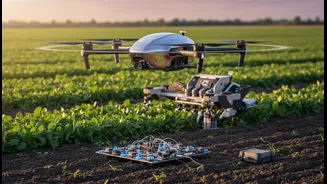
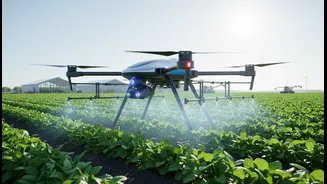
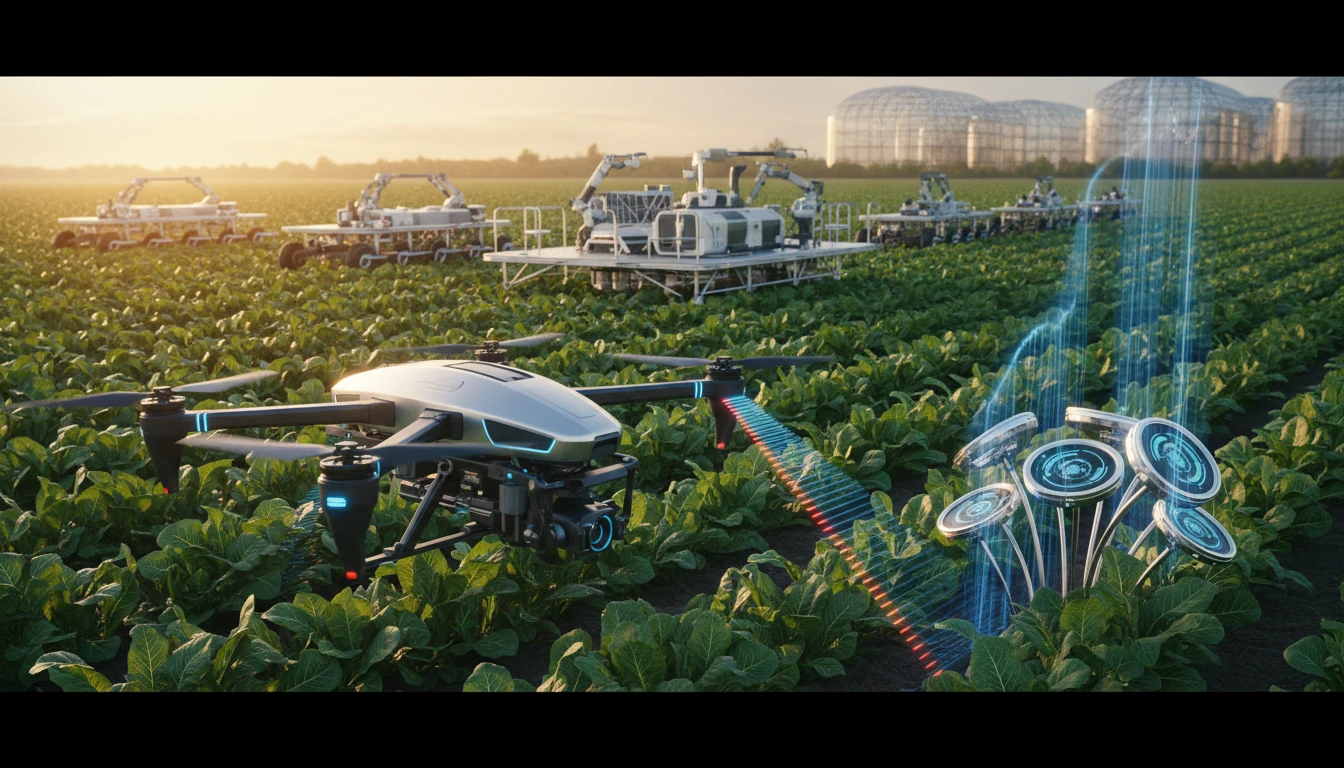
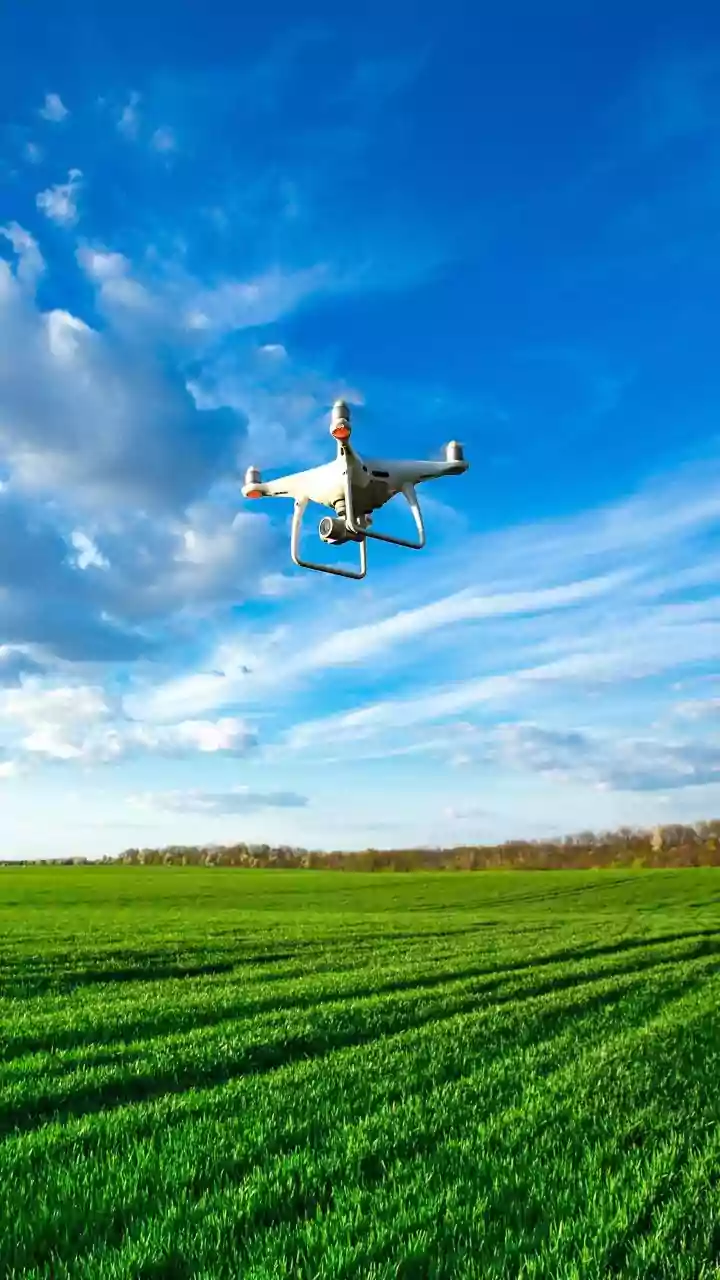
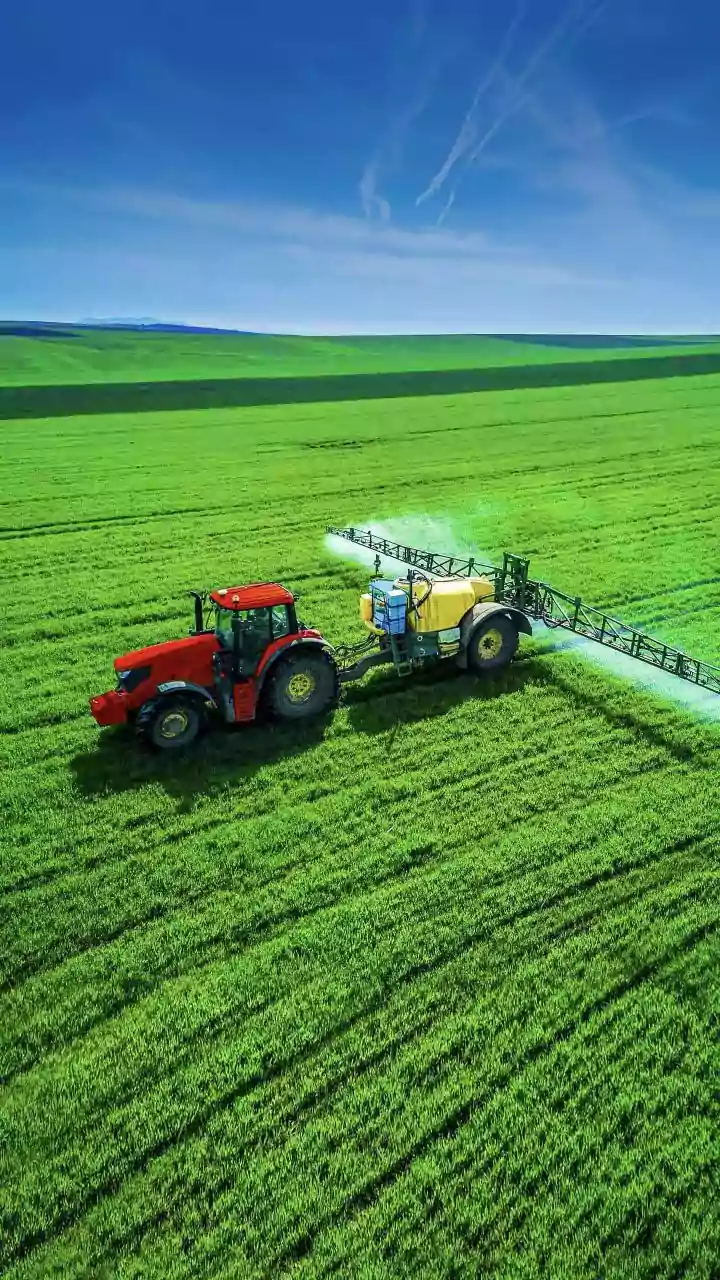
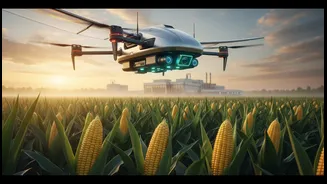
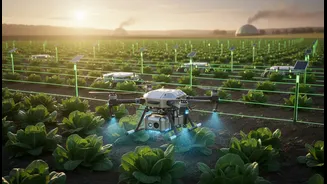
One of the biggest draws at Agri Intex 2026 is the advanced fleet of agricultural drones. No longer a novelty, these unmanned aerial vehicles (UAVs) are becoming essential tools. Exhibitors are showcasing drones that can perform precision spraying of fertilisers and pesticides, reducing chemical usage by up to 30%. Others are equipped with multispectral cameras that act like a health check for crops, detecting stress, disease, and nutrient deficiencies long before the human eye can. This technology allows farmers to move from reactive to proactive management, saving costs and boosting yields. The live demonstrations show how these machines can autonomously cover vast fields, revolutionising tasks that once required immense manual labour.
Sensors and AI: The Data-Driven Farm
Beyond the skies, the ground is also getting smarter. The expo highlights a new generation of Internet of Things (IoT) sensors that monitor everything from soil moisture and nutrient levels to ambient temperature. This real-time data feeds into AI-powered platforms that provide farmers with actionable insights. Instead of relying solely on traditional knowledge, farmers can now make data-driven decisions about when to irrigate, how much fertiliser to apply, and the optimal time to harvest. This approach, known as precision agriculture, was a key theme at the event, with experts advocating for its adoption to combat challenges like water scarcity. The technology promises not just efficiency but also sustainability, a crucial factor for the future.
Processing: Adding Value and Cutting Waste
The technological revolution doesn't stop at the harvest. A significant portion of Agri Intex is dedicated to post-harvest processing equipment. Experts highlighted that post-harvest losses in India can be as high as 30-40%, a staggering figure that new technology aims to reduce. On display are advanced machines for cleaning, grading, packing, and processing agricultural produce. From small-scale machinery for individual farmers to large industrial units, these innovations help add value to raw produce, improve shelf life, and ensure better market prices. By minimising waste and enhancing quality, this equipment is vital for strengthening the entire food supply chain.
Why Coimbatore? The Perfect Ecosystem
It’s no accident that Agri Intex thrives in Coimbatore. The city, often called the 'Manchester of South India', has a robust industrial and manufacturing base, particularly in pumps and engineering goods. This industrial prowess, combined with its location in a fertile agricultural belt and the presence of top-tier institutions like Tamil Nadu Agricultural University (TNAU), creates a unique ecosystem. There is a synergy between the engineering firms that can build the machines and the farmers who will use them. This blend of manufacturing expertise, agricultural knowledge, and a burgeoning start-up culture makes Coimbatore the ideal launchpad for India's agri-tech revolution.