






Decoding 'Hyper-Palatable'
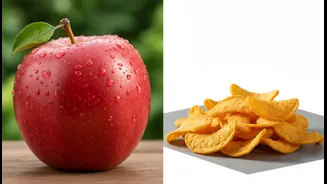
The term 'hyper-palatable' isn't just a fancy way of saying 'tasty.' It's a scientific classification for foods, particularly processed ones, that are engineered with specific combinations of fat, sugar, sodium, and carbohydrates to be intensely rewarding.
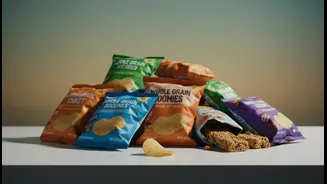
This potent mix is designed to hit the bliss point, making the food so appealing that it's difficult to stop eating. Researchers have identified specific criteria for these foods, such as those combining carbohydrates and sodium, a category where many crackers, pretzels, and chips fall. These foods essentially send a powerful signal to your brain's reward system, encouraging you to keep going long after your physical hunger has passed.
The Brain on Chips
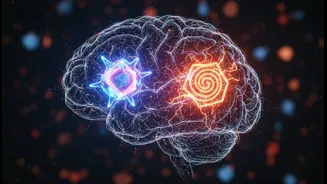
When you eat a hyper-palatable food, your brain's reward circuits are activated in a way that can override your body's natural satiety signals. These foods can trigger a release of dopamine, the 'feel-good' neurotransmitter, creating a cycle of craving and reward that's hard to break. This isn't a matter of weak willpower; it's a neurobiological response. Studies show that diets high in ultra-processed foods lead people to consume significantly more calories—sometimes up to 500 extra per day—compared to when they eat whole foods. The foods are often low in fibre and protein, which are key nutrients for feeling full, further contributing to overconsumption.
The 'Health Halo' Trap
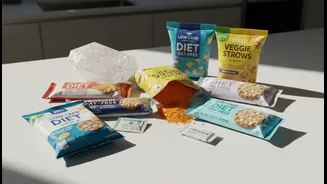
Here's where the 'organic' and 'baked' labels become a problem. These words create what's known as a 'health halo,' a psychological effect where we perceive a food as healthier overall based on a single positive claim. A Cornell University study found that people estimated identical products to have fewer calories when they were labeled 'organic'. You might think you're making a better choice, and this belief can lead you to eat larger portions without guilt. But while baked chips are lower in fat and calories than their fried counterparts, they are still highly processed. To compensate for the lack of flavour from frying, manufacturers often add more sodium and other ingredients, like sugar, to make them palatable.
Calories, Cravings, and Low Nutrition
Beyond the brain science, there’s a simple math problem. Processed snacks like baked chips are often calorically dense but nutritionally poor. A small serving can pack a significant number of calories without providing the vitamins, minerals, and fibre your body needs. This is because the processing often strips away nutrients. They also interfere with your body's hunger and fullness signals, so you might eat a whole bag and still not feel satisfied. Research consistently shows that a higher intake of these foods is linked to weight gain and obesity, not because of one single ingredient, but because of how they are formulated to be overeaten.
From Strict Elimination to Smart Strategy
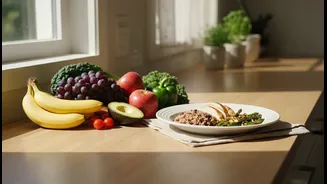
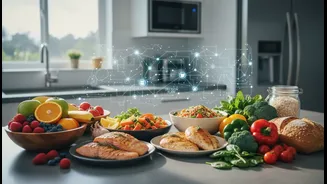
While the headline suggests 'elimination', a more sustainable approach is to be strategic. The goal isn't to live in fear of a single chip, but to understand why these foods make fat loss so difficult. Recognizing hyper-palatable foods for what they are—products engineered to be overconsumed—is the first step. This knowledge empowers you to make more conscious choices. Instead of relying on processed snacks, focus on filling your diet with whole, minimally processed foods like fruits, vegetables, lean proteins, and whole grains. These foods are naturally more satiating and nutrient-dense, helping you manage hunger and nourish your body effectively, making your fat-loss journey smoother and more successful.