





The Deceptive Health Halo
For decades, a glass of juice with breakfast has been the picture of health. It comes from fruit, so it must be good for you, right? This belief is what marketers call a 'health halo,' where we associate a product with healthy qualities it may not fully
possess. We see vibrant images of fresh oranges, apples, and pomegranates on cartons and automatically transfer the goodness of the whole fruit to the liquid inside. While juice does contain some vitamins and minerals from the original fruit, the processing strips away key components, fundamentally changing its nutritional profile and how your body reacts to it.
The Real Story on Sugar
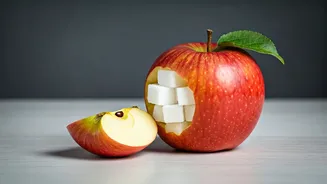
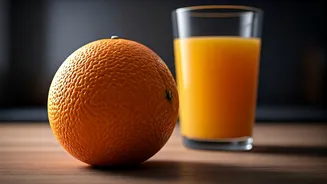
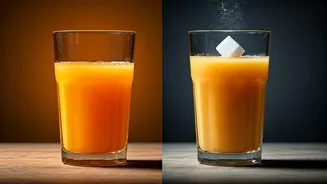
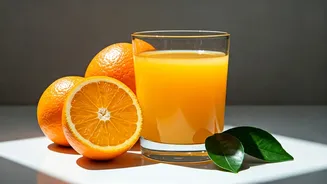
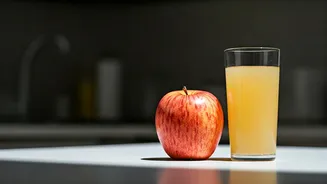
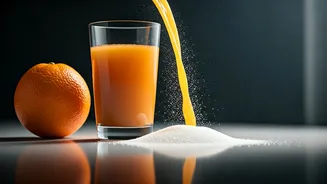
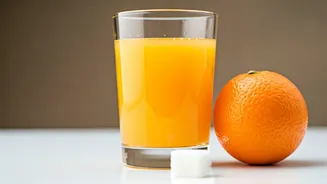
Here's the most important distinction: the sugar in a whole fruit is different from the sugar in fruit juice. In a whole apple, the sugar is 'intrinsic,' meaning it's bound within the fruit's fibrous cell structure. Your body has to work to break down this structure to get to the sugar, slowing down its absorption. Juicing, however, pulverises this structure, releasing the sugars. They become 'free sugars,' the same type found in honey, syrups, and sugary sodas. A single 250ml glass of orange juice can contain the sugar equivalent of 2-3 oranges, but you consume it in seconds. This causes a rapid spike in blood sugar that you wouldn't get from eating the whole fruits, putting strain on your system.
Where Did All the Fibre Go?
The unsung hero of any fruit is its fibre. This is the part that gets left behind in the juicer's pulp container, and it's a massive loss for your health. Dietary fibre is crucial for a healthy digestive system, but it does much more. It slows the absorption of sugar, preventing those dramatic blood sugar spikes. It also promotes a feeling of fullness, or satiety. When you eat an orange, the fibre helps you feel satisfied. When you drink the juice of three oranges, you're getting all the sugar and calories without the fibre to tell your brain you're full. This makes it easy to consume excess calories without even realising it.
Liquid Calories Don't Register
Your body is not very good at registering calories consumed in liquid form. Studies show that when people drink their calories—whether from juice, soda, or other sweetened beverages—they don't compensate by eating less food later. Chewing and digesting solid food sends powerful signals to your brain that you've eaten and are getting full. Liquid calories bypass many of these signals. This disconnect can easily lead to a calorie surplus over time, which is a key driver of weight gain. Thinking of juice as 'healthy water' is a mistake; it's a calorie-dense beverage that offers little in the way of satiety.
Smarter Ways to Hydrate and Nourish
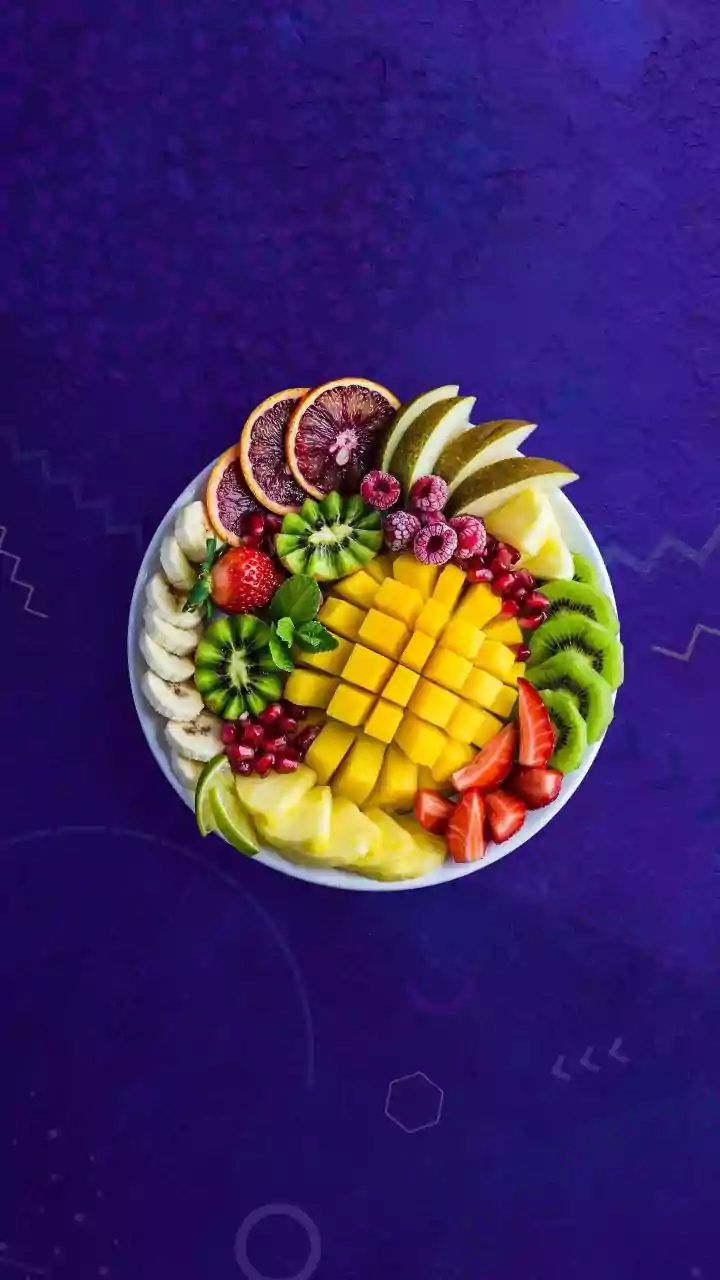
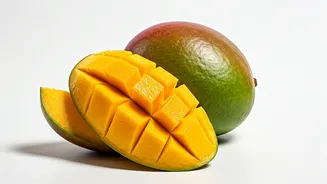
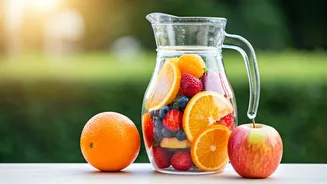
So, what's the alternative if you're looking for a refreshing and healthy drink? The answer is simple and effective: eat the whole fruit and drink water. You get all the vitamins, minerals, fibre, and antioxidants in the package nature intended. If you want to flavour your water, try infusing it with slices of lemon, cucumber, mint, or berries. And if you truly love the convenience of a drinkable fruit, consider a smoothie. By blending the whole fruit instead of juicing it, you retain the all-important fibre. Just be mindful of adding extra sugars like honey or sweetened yoghurts, which can quickly turn a healthy smoothie into a dessert.