






A Powerhouse of Vitamins
For a fruit so small, passion fruit packs a significant nutritional punch. It is particularly rich in vitamin C, a powerful antioxidant that is crucial for a healthy immune system. Vitamin C helps your body produce white blood cells to fight off infections,
supports collagen production for healthy skin, and enhances the absorption of iron from plant-based foods. Additionally, passion fruit is a good source of vitamin A, which is essential for maintaining good vision, supporting skin health, and bolstering your body's defences. A single passion fruit provides a notable percentage of your daily needs for these key vitamins, all in a low-calorie package.
Exceptionally Rich in Antioxidants
Antioxidants are vital compounds that help protect our bodies from cellular damage caused by unstable molecules called free radicals. Passion fruit is loaded with them. Beyond vitamin C, it contains beta-carotene and a wealth of polyphenols. In fact, some studies show passion fruit is richer in polyphenols than other popular tropical fruits like mango, banana, and pineapple. These compounds have anti-inflammatory effects and may help reduce the risk of chronic conditions. The seeds, which are entirely edible, are a particularly concentrated source of a polyphenol called piceatannol, which has been studied for its various health benefits, including supporting skin health and fighting inflammation.
An Excellent Source of Dietary Fibre
One of the most standout features of passion fruit is its high dietary fibre content. A single small fruit can provide a surprising amount of fibre, which is essential for a healthy digestive system. The fibre in passion fruit, found in both its pulp and seeds, helps keep your bowel movements regular and can prevent constipation. This high fibre content also helps you feel full for longer, which can aid in weight management by reducing the urge to snack. Furthermore, soluble fibre plays a role in slowing down digestion, which helps prevent sharp spikes in blood sugar levels, making it a good choice for those monitoring their sugar intake.
Supports Heart and Overall Health
The combination of nutrients in passion fruit contributes to better heart health. It is a good source of potassium, a mineral that helps regulate blood pressure by balancing sodium levels in the body. Paired with its low sodium content, this makes passion fruit a heart-friendly choice. The high fibre content also contributes by helping to manage cholesterol levels. Beyond the heart, passion fruit provides other essential minerals like magnesium and iron. While the iron is plant-based, the fruit's high vitamin C content helps the body absorb it more effectively.
How to Choose and Enjoy Passion Fruit
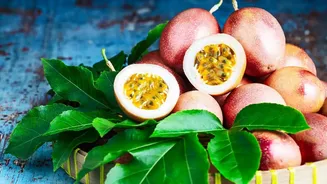
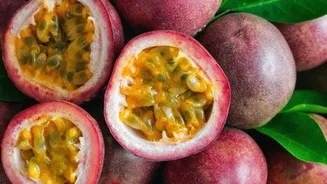
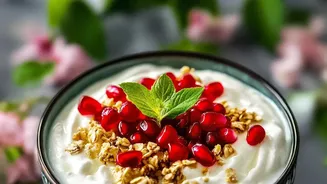
To get the most out of this nutritious fruit, look for one that is heavy for its size and has wrinkly skin—this is a sign of ripeness and indicates the pulp will be sweeter and more flavourful. A smooth-skinned passion fruit is still edible but will likely be more tart. To eat it, simply cut the fruit in half and scoop out the pulp and seeds with a spoon. The pulp can be eaten as is, added to yoghurt or oatmeal, blended into smoothies, or used as a topping for desserts and salads. The crunchy seeds are full of fibre and beneficial compounds, so be sure to eat them along with the juicy pulp.