




An Unseasonal Rush of Water
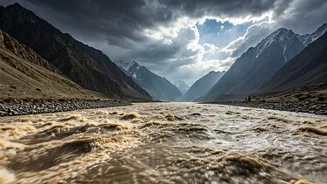
Reports from across the Himalayan states, from Uttarakhand to Arunachal Pradesh, tell a consistent story. Rivers like the Ganga, Beas, and parts of the Brahmaputra system are carrying significantly more water than is typical for this time of year. Normally,
these rivers begin to rise with the onset of the summer monsoon in June. However, this year, the surge began as early as April and May. This isn't a gentle rise; it's a powerful flow, changing river dynamics and putting riverbank communities on high alert long before they would normally expect to be. This early peak flow is a direct challenge to the predictable, seasonal water cycles that millions depend on for agriculture, drinking water, and hydropower.
The Primary Culprit: Accelerated Melt
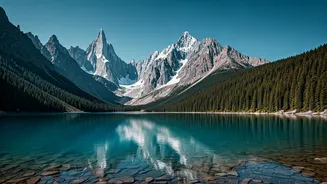
The main driver of this phenomenon is heat. The Himalayan region, often called the “Third Pole” for its vast ice reserves, is warming at a rate significantly faster than the global average. This spring has seen prolonged periods of above-normal temperatures across northern India and the high-altitude Tibetan Plateau. This intense heat is accelerating the melting of the seasonal snowpack and, more worryingly, the ancient glaciers that act as the region's water towers. Glaciers are natural regulators, releasing water gradually throughout the warmer months. When they melt too fast due to extreme heat, this regulation breaks down, leading to a massive, uncontrolled release of water into the river systems.
An Unexpected Partner in Crime
Compounding the effect of rapid melt are unusual weather patterns. This pre-monsoon season has been marked by stronger and more frequent Western Disturbances—storm systems originating in the Mediterranean that bring crucial spring precipitation to Northwest India. While this rain is often welcome after a dry winter, its combination with already high temperatures creates a perfect storm. The rain falls on melting snow and ice, further accelerating the runoff into the rivers. Instead of being absorbed or freezing, the rainwater acts as a lubricant, washing away the melting snow and ice at a much faster rate and contributing directly to the swollen river volumes.
The Ripple Effect Downstream
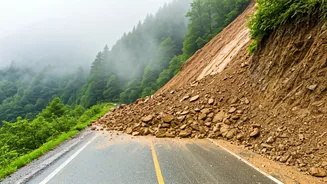
The immediate consequence is an increased risk of flash floods, especially in the fragile mountain ecosystems of Himachal Pradesh and Uttarakhand. Infrastructure like roads, bridges, and hydropower projects are under immense strain. A more terrifying risk is the potential for Glacial Lake Outburst Floods (GLOFs). As glaciers recede, they often leave behind large lakes of meltwater dammed by unstable moraine (rock and debris). An unusually rapid influx of water can cause these natural dams to burst, sending a devastating wall of water, mud, and boulders downstream, as tragically witnessed in Uttarakhand in recent years. While the high flow might temporarily boost water availability for agriculture in the plains, it's a false sense of security. It signals an unsustainable pattern where water arrives too early and too fast, potentially leading to shortages later in the season when it's needed most.
A Glimpse into the New Normal
This isn't a freak event; it's a clear and disturbing trend. Scientists at institutions like the International Centre for Integrated Mountain Development (ICIMOD) have been warning for years that climate change is fundamentally altering the Himalayan water cycle. The predictable rhythm of gradual melt followed by monsoon rains is being replaced by a more volatile and extreme system. What we are seeing this year—high heat, rapid melt, and erratic pre-monsoon rains—is a textbook example of these predictions coming to life. This is the new reality for a region that supplies water to nearly two billion people. The 'pulse' of the Himalayas is becoming erratic, and the consequences will be felt far beyond the mountains themselves.