






You feel a pang of hunger an hour after lunch and reach for a snack. But what if that craving isn't for food at all? Your body might actually be asking for water, a common mix-up that can lead to mindless eating and unnecessary calories.
The Brain's Crossed Wires
The feeling of
hunger and thirst are both regulated by the same part of the brain: the hypothalamus. This small but powerful structure acts as the body's control centre, managing everything from sleep to body temperature. Because it's responsible for both drives, the signals can sometimes get crossed, especially when you're mildly dehydrated. When your body lacks adequate water, the hypothalamus can send out signals that feel remarkably similar to hunger pangs. This can lead you to believe you need to eat when what your body truly requires is fluid. The symptoms often overlap as well; fatigue, irritability, and a slight headache can be signs of both hunger and the early stages of dehydration, making the confusion even more likely.
Dehydration's Link to Cravings
When you don't drink enough water, it can affect your body's ability to produce and release stored energy. Dehydration can make it more difficult for your liver to release glycogen, the body's energy reserves, which can trigger cravings. This is particularly true for sugary foods, as your body looks for a quick energy source to compensate for the perceived deficit. This creates a frustrating cycle: you feel tired and sluggish due to dehydration, reach for a sugary snack for a quick boost, and ignore the underlying need for water. Furthermore, dehydration can disrupt the balance of appetite-regulating hormones. It can cause an increase in ghrelin, the 'hunger hormone', while reducing leptin, the hormone that signals fullness. This hormonal imbalance can make you feel hungry even when you don't need calories.
The 'Water First' Strategy
So how can you break the cycle? The solution is as simple as it is effective: when you feel a snack craving, drink a glass of water first. This strategy helps you test your body's signals. Health experts suggest drinking a full glass of water and then waiting about 15-20 minutes. This gives your brain enough time to recognize that the need for fluid has been met. If the hunger pangs disappear, you've successfully identified thirst in disguise. If you still feel genuinely hungry after waiting, then your body truly needs food, and you can reach for a healthy snack without guilt. Studies have also shown that drinking water before meals can help reduce overall calorie intake by promoting a feeling of fullness.
Making Hydration a Habit
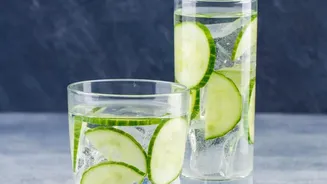
The key to avoiding this confusion in the first place is to stay consistently hydrated throughout the day, rather than waiting until thirst strikes. By the time you feel thirsty, you are often already mildly dehydrated. Keeping a water bottle on your desk or in your bag serves as a constant visual reminder to sip regularly. If you find plain water unappealing, try infusing it with fruit like lemon, cucumber, or berries for a natural flavour boost. Setting reminders on your phone or using a hydration-tracking app can also help build the habit. Aim to start your day with a glass of water to rehydrate after sleeping, and make it a point to drink a glass with every meal to aid digestion and promote satiety.