





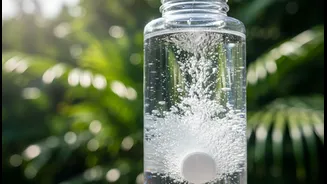
Why Humidity Changes the Hydration Game
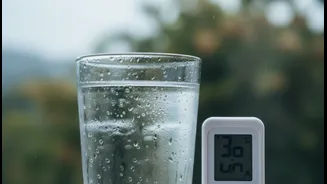
On a typical hot day, your body has an efficient cooling system: you sweat, and as that sweat evaporates from your skin, it takes heat with it. But when the air is already thick with moisture, or humid, this process breaks down. Sweat has nowhere to go.
With high humidity, the rate of evaporation slows dramatically. Your body's natural response is to produce even more sweat in an attempt to cool down, leading to a rapid loss of fluids and essential minerals. This means you can be dripping with sweat but not actually cooling off, a dangerous combination that accelerates dehydration and puts immense strain on your system. The body feels warmer, the heart works harder, and the risk of heat-related illnesses like heat exhaustion and heatstroke rises significantly.
The Sneaky Signs of Dehydration
Thirst isn't always the first or most reliable indicator that you need to drink more fluids; by the time you feel thirsty, you may already be mildly dehydrated. In humid conditions, the symptoms can be even more subtle. A dull headache, unexplained fatigue, or feeling irritable and lightheaded are common early warning signs. One of the most effective ways to monitor your hydration is the 'lemonade test'. Your urine should be a pale, lemonade-like yellow; if it's darker, it's a clear signal that your body needs more water. Other physical clues include dry mouth, muscle cramps, and a rapid pulse. Ignoring these signs can lead to more severe symptoms like confusion, dizziness, and nausea as your core temperature continues to rise.
Beyond Water: The Role of Electrolytes
When you sweat profusely in humid weather, you lose more than just water. You also lose critical minerals known as electrolytes—primarily sodium, potassium, and magnesium. These minerals are vital for muscle function, nerve signaling, and helping your body absorb and retain the water you drink. Drinking large amounts of plain water without replacing these lost electrolytes can sometimes dilute the remaining sodium in your blood, a condition that can cause headaches and, in severe cases, be dangerous. This is why on exceptionally hot and humid days, especially with prolonged activity, incorporating electrolyte-rich options is crucial. Fortunately, you don't always need a commercial sports drink. Many natural sources are readily available and highly effective.
Smarter Hydration for Indian Summers
The key to staying hydrated in humid weather is to be proactive and strategic. Don't wait for thirst to kick in. A good rule of thumb for adults is to consume between 3-4 litres of total fluid daily during peak summer months. Traditional Indian beverages are perfectly suited for this. Start your day with Nimbu Pani (lemon water with a pinch of salt and sugar) to get a head start on electrolytes. Throughout the day, sip on coconut water, which is naturally rich in potassium and other minerals. Buttermilk (Chaas) is another excellent choice; it’s not only cooling and hydrating but also contains probiotics that aid digestion. Water-rich fruits and vegetables like watermelon, cucumber, and oranges also contribute significantly to your fluid intake.
What to Limit or Avoid
Just as important as what you consume is what you avoid. Certain drinks can actually work against your hydration efforts. Alcohol and caffeinated beverages like coffee and some teas act as diuretics, causing your body to lose more fluid. Sugary sodas and commercial fruit juices are also poor choices. The high sugar content can cause digestive issues and, in some cases, can worsen dehydration. If you do drink juice, consider diluting it with an equal part of water. It's also wise to steer clear of heavy, greasy, or excessively spicy foods, which can increase your body's internal temperature and place extra stress on your digestive system.