





Why Mandarmani in the Monsoon?
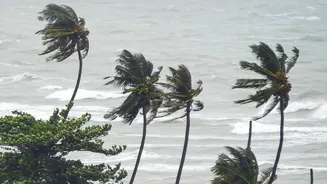
While many beach destinations are best enjoyed in the winter sun, Mandarmani possesses a unique charm during the monsoon months of July through September. The experience is less about sunbathing and more about atmosphere. Imagine dramatic, cloud-filled
skies meeting the churning Bay of Bengal, fewer crowds on the sprawling 13-kilometre shoreline, and the rhythmic sound of crashing waves as your constant companion. This season transforms the coast into a moody, atmospheric retreat perfect for those who want to unwind and reconnect with nature. It’s a time when the beach feels more personal and the lush greenery of the coastline is at its most vibrant. For budget travellers, the monsoon is also an ideal time, often bringing lower accommodation rates and a more relaxed vibe.
Getting There From Kolkata
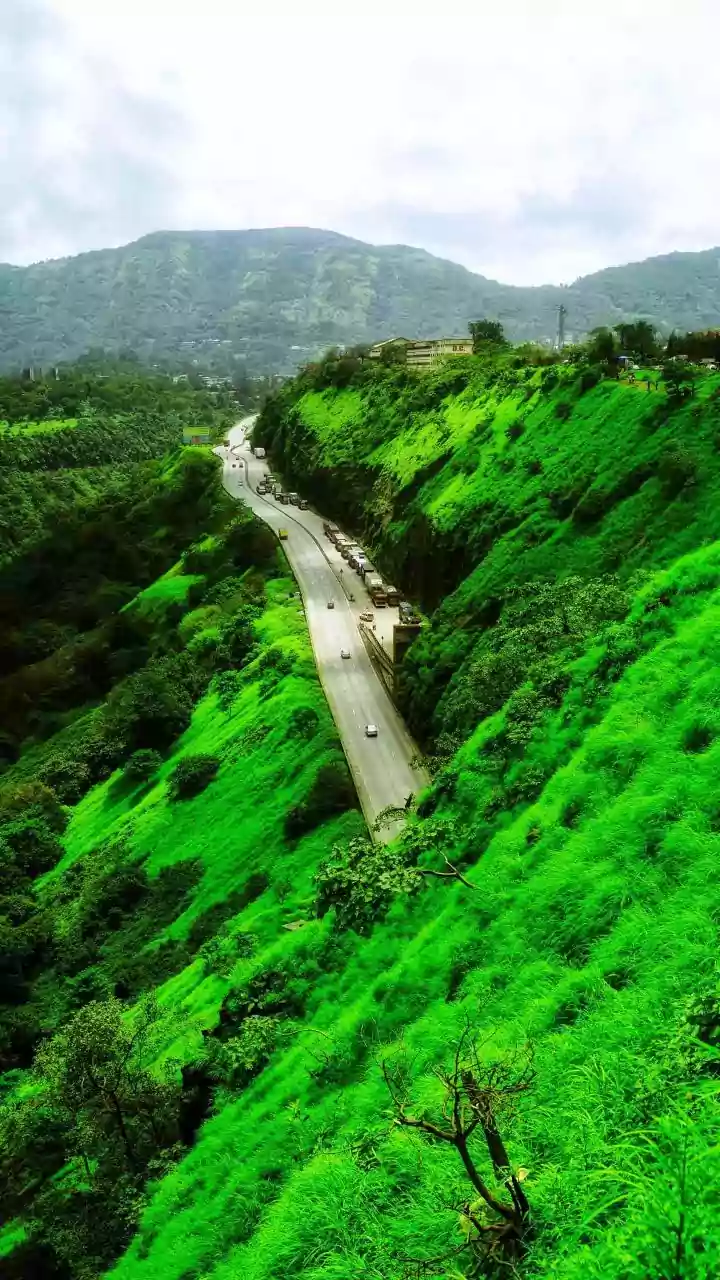
Reaching this coastal haven from Kolkata is a straightforward affair, with options to suit every budget and travel style. The road distance is approximately 170-180 kilometres. By Car: The fastest and most flexible option is to drive, a journey that typically takes between three to four-and-a-half hours, depending on traffic. This allows you the freedom to start at your convenience and make stops along the way. A private taxi is also a comfortable choice, with fares generally starting around ₹3,000 for a one-way trip. By Bus: For the most economical journey, numerous private and state-run buses ply the route daily from Kolkata. The trip takes around four to five hours, with ticket prices starting as low as ₹200-₹500. This makes it an extremely popular option for students and budget-conscious travellers. By Train: While there isn't a direct train to Mandarmani, you can take a train from Howrah to the nearest railway station, Kanthi (also known as Contai). The train journey itself is short, about two-and-a-half to three hours. From Kanthi, Mandarmani is another 30-45 minute ride away by local taxi or auto-rickshaw.
Affordable Stays by the Sea
The "affordable" tag in the headline is well-earned. Mandarmani has a wide spectrum of accommodation, from simple guesthouses to comfortable beachfront resorts. During the monsoon season, you can find excellent deals, with basic, clean hotel rooms available for under ₹2,000 per night, and some starting even lower. Many properties offer sea-facing rooms, allowing you to enjoy the dramatic views from the comfort of your balcony. For a little more, you can find mid-range resorts that come with amenities like swimming pools and in-house restaurants, providing a complete package for a relaxing weekend without breaking the bank. Booking in advance is always a good idea, but the off-peak nature of the monsoon means you have a better chance of finding a good deal even at the last minute.
What to Do and See
A monsoon trip to Mandarmani is about embracing the weather, not fighting it. The main attraction is the beach itself, famous for being one of the longest motorable beaches in India, though driving is now restricted for conservation reasons. A key sight is the thousands of red crabs that scuttle across the sand, creating a mesmerising, shimmering red carpet. While swimming in the rough monsoon sea is generally not advised due to strong currents and high tides, you can still enjoy long walks along the firm, wet sand. Many beach shacks and hotel restaurants offer covered seating where you can sip on hot tea and savour freshly prepared seafood delicacies while watching the rain fall over the ocean. For the more adventurous, some water sports like ATV rides or banana boat rides may still operate, but always check local conditions and prioritise safety. You can also explore local shops selling items made from seashells and jute.
A Monsoon Safety Checklist
Visiting a beach during the monsoon requires a few precautions. First and foremost, be extremely cautious of the sea. High tides can be powerful and unpredictable, so avoid venturing deep into the water. Check the tide timings before you plan a walk on the beach. Pack a light raincoat or an umbrella, and quick-drying clothes are a must. Waterproof bags for your electronics are also highly recommended. While the roads are generally good, drive carefully as surfaces can be slippery. Finally, carry a basic first-aid kit and any necessary medications, as access to pharmacies might be limited in more remote parts of the beach.