




What Is Aquafaba, Exactly?
Aquafaba, which translates to ‘bean water’ from Latin, is the viscous liquid left over from cooking legumes like chickpeas. While you can make it by cooking dried chickpeas, the most consistent and readily available source is the liquid inside a standard
can of chickpeas. For years, this starchy, protein-rich liquid was discarded without a second thought. But in 2014, a French chef discovered its incredible ability to mimic egg whites, and the vegan culinary world was changed forever. It can be whipped into meringues, used as a binder in baking, or, as we’ll see here, create the foundation for an impossibly light and creamy mousse. It’s the ultimate kitchen hack: a useful ingredient rescued from becoming food waste.
The Science Behind the Magic
So, how does bean water transform into a fluffy, stable foam? The magic lies in its composition. As chickpeas cook, proteins and starches leach out into the water. These proteins, primarily albumins and globulins, behave similarly to the proteins found in egg whites. When you whisk aquafaba vigorously with a stand mixer or hand mixer, you’re introducing air into the liquid. The proteins unfold and form a network around the air bubbles, trapping them. The starches in the liquid help to stabilize this foam structure, preventing the bubbles from collapsing. This process creates a stiff, glossy foam almost indistinguishable from whipped egg whites, providing the perfect airy structure for a mousse without any dairy or eggs.
Perfecting Your Three Ingredients
The beauty of this recipe is its simplicity, but the quality of your ingredients matters immensely. 1. Aquafaba: Use the liquid from one can of unsalted chickpeas. Canned aquafaba is generally more consistent than homemade. For the best results, you can reduce it slightly by simmering it on the stove for 5-10 minutes to make it a little more concentrated, then letting it cool completely. This isn't strictly necessary but can create a more stable whip. 2. Dark Chocolate: This is where the flavour comes from. Choose a high-quality vegan dark chocolate, ideally between 60% and 75% cacao. A higher percentage will result in a richer, less sweet mousse. Check the ingredients to ensure there’s no added milk or dairy derivatives. 3. Sweetener: While some recipes skip it, a little sweetener balances the bitterness of the dark chocolate. Powdered sugar is an excellent choice because it dissolves easily without adding extra moisture. You can also use maple syrup, but use it sparingly to avoid weighing down the mousse.
The Step-by-Step Method
Ready for the magic? Here’s how to bring it all together. You’ll need the liquid from one (15-ounce) can of chickpeas (about 1/2 to 3/4 cup), 150 grams of good-quality dark chocolate, and 2-3 tablespoons of powdered sugar. 1. Whip the Aquafaba: Pour the aquafaba into a very clean, dry bowl of a stand mixer (or use a large bowl and a hand mixer). Whisk on high speed. It will start to look foamy, then form soft peaks, and finally become thick and glossy. This can take 5-10 minutes. When you can turn the bowl upside down without the mixture sliding out, it’s ready. Add the powdered sugar and whisk for another 30 seconds to combine. 2. Melt the Chocolate: While the aquafaba is whipping, gently melt your chopped dark chocolate. You can do this in a double boiler or in the microwave in 20-second bursts, stirring in between until smooth. It’s crucial to let the chocolate cool to just above room temperature. If it's too hot, it will deflate your aquafaba whip. 3. Fold and Chill: Gently fold the cooled melted chocolate into the whipped aquafaba. Do this in thirds, using a spatula to carefully combine everything. The goal is to incorporate the chocolate without knocking out the air. Once just combined (a few streaks are okay), spoon the mousse into serving glasses or a single bowl. Chill in the refrigerator for at least 4 hours, or preferably overnight, to allow it to set completely.
Tips for Mousse Perfection
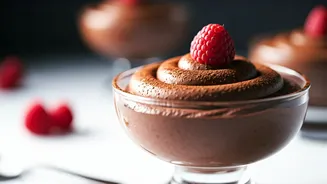
To guarantee success, keep a few things in mind. First, make sure your mixing bowl and whisk are completely free of any oil or grease, as fat will prevent the aquafaba from whipping properly. A quick wipe with vinegar or lemon juice can help. For extra stability, you can add a pinch (about 1/4 teaspoon) of cream of tartar to the aquafaba before you start whipping; it helps the proteins hold their structure. Lastly, be patient. Let the mousse chill for the recommended time. This is when it firms up from a loose foam into the velvety, spoonable dessert you’re dreaming of. Serve it plain or top with berries, shaved chocolate, or a dollop of vegan whipped cream.