

Embrace Raw and Natural Materials
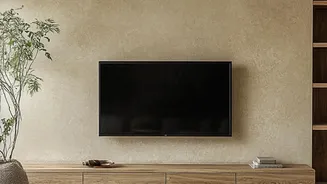
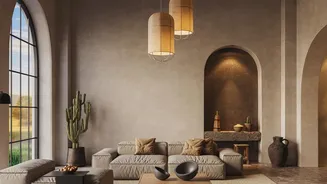
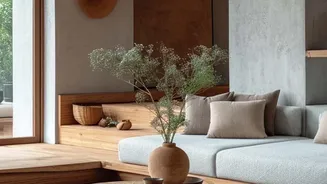
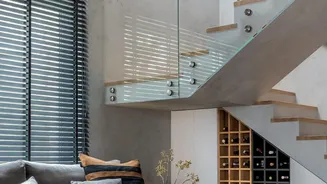
The foundation of any earthy interior is the use of materials that speak of the outdoors. Think less about polished perfection and more about authentic, raw textures. Reclaimed wood, with its history etched into the grain, brings immense warmth to furniture,
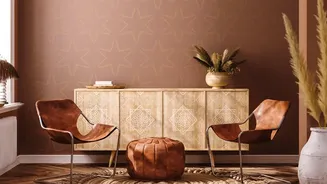
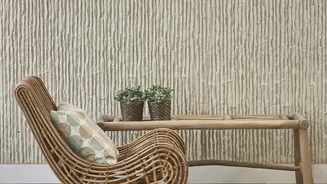
flooring, or even wall panels. In the Indian context, woods like Sheesham, teak, and mango offer a rich heritage. Beyond wood, consider materials like stone, rattan, jute, and bamboo. These can be incorporated through jute rugs, cane chairs, bamboo light fixtures, or terracotta pots. These elements are not just visually appealing; they are also often sustainable choices that add character and a tangible connection to nature.
Paint with Earth's Palette
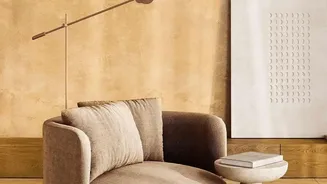
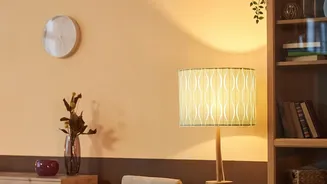
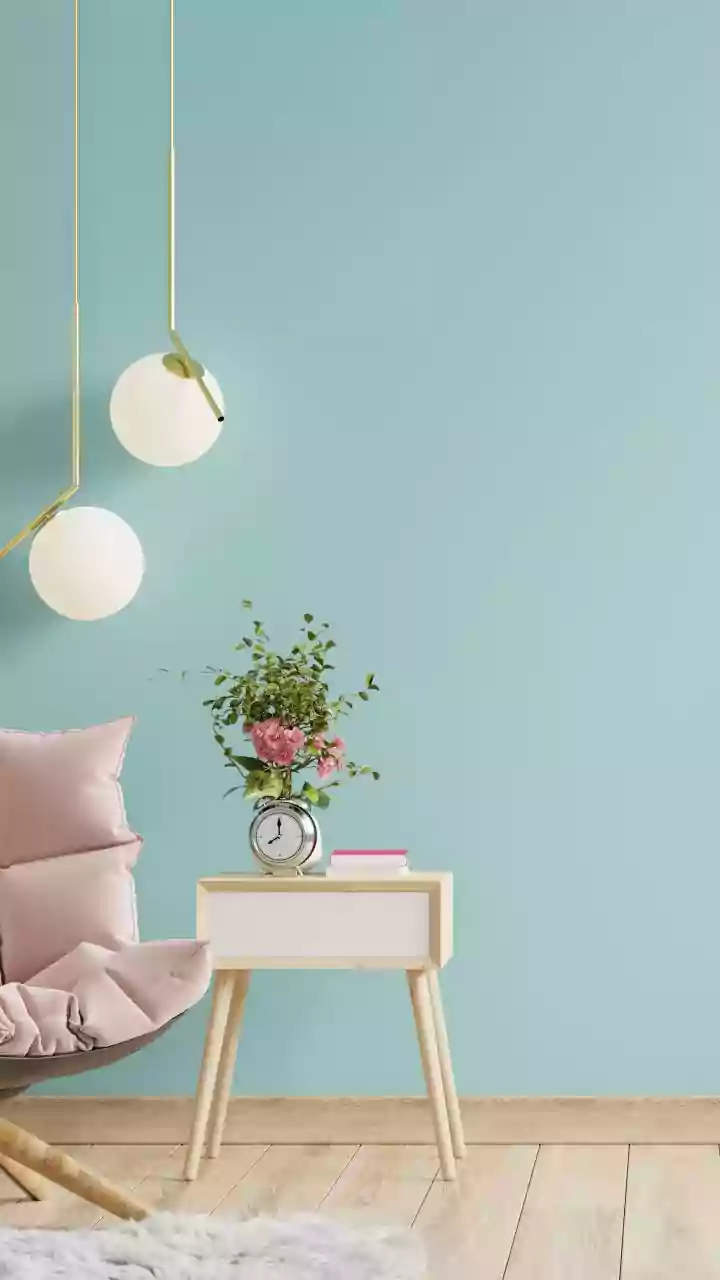
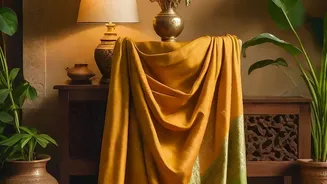
Colour is a powerful tool for setting a mood, and an earthy palette is inherently calming. Move away from stark whites and embrace warmer, more muted tones inspired by the landscape. Think of the soft beige of sand, the rich brown of soil, the muted green of sage leaves, and the warm red of terracotta clay. These colours serve as a beautiful backdrop that allows natural materials to shine. You can introduce these shades through wall paints, soft furnishings like cushions and curtains, or larger furniture pieces. Brands often curate 'earthy charm' collections that can provide inspiration. These palettes create a cohesive and harmonious atmosphere that feels both comforting and timeless.
Incorporate Living Greenery
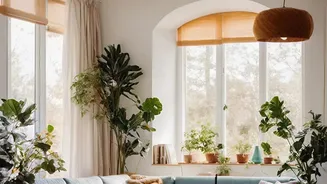
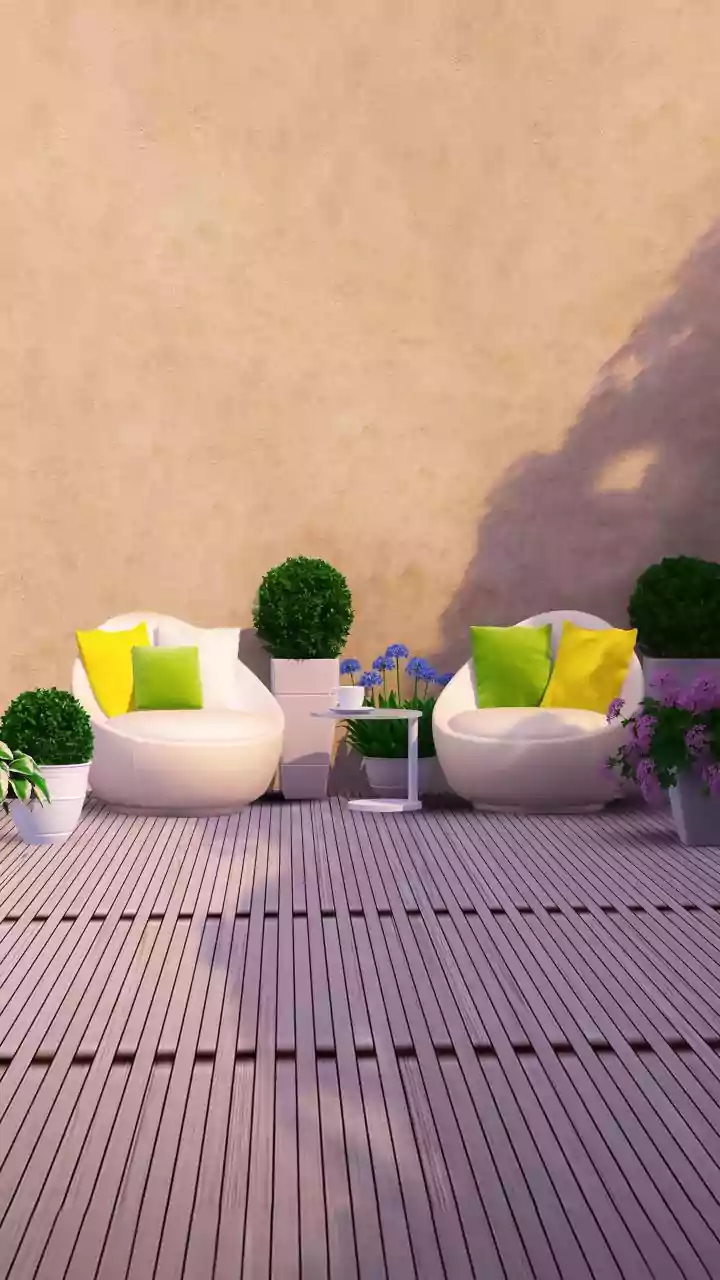
The most direct way to bring nature indoors is with living plants. This practice, a core principle of Biophilic Design, is about creating a stronger connection to the natural world within our built environments. Indoor plants like the areca palm, money plant (pothos), or snake plant not only add a splash of vibrant green but also help purify the air and boost your mood. You don't need to turn your home into a jungle. A few well-placed plants in beautiful planters—perhaps in terracotta, brass, or ceramic—can make a significant difference. Consider a cluster of pots in a corner, a hanging plant in a cane basket, or even a simple herb garden on your kitchen windowsill.
Celebrate Texture and Imperfection
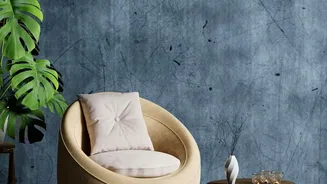
Nature is rarely smooth or uniform, and your home decor can reflect that beauty. Layering different textures is key to creating a space that feels rich and inviting. Contrast the smoothness of a stone countertop with the roughness of a linen tablecloth. Pair a soft woollen throw with a leather armchair. Think about slubby cottons, woven wall hangings, and handcrafted ceramics where you can see the artisan's touch. This trend moves away from mass-produced uniformity and towards celebrating the unique and the handmade. These slight imperfections tell a story and add a soulful, human element to your space.
Maximise Natural Light and Air
Maximising natural light is one of the most powerful principles in biophilic design. It instantly makes a space feel more open, airy, and connected to the outdoors. If you can, keep windows unobstructed with light, sheer curtains made of materials like cotton or linen. This allows soft, filtered light to fill the room. Arranging furniture to take advantage of sunny spots creates natural nooks for reading or relaxing. Beyond light, simply opening windows to allow for a natural breeze helps refresh a space and enhances that feeling of being connected to the environment outside.