







A Countrywide Deficit with Urban Consequences
The narrative of the Indian monsoon has long been tied to agriculture, but the reality of 2026 is painting a different picture. The India Meteorological Department (IMD) has forecast a “below normal” monsoon for the year, estimating rainfall at just 90%
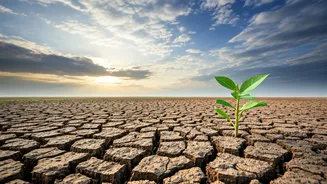
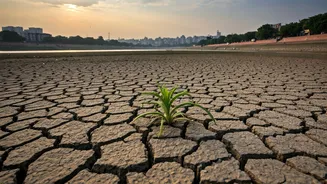
of the Long Period Average. This isn't a uniform decline; it's a story of gaps and delays. As of late June 2026, large parts of the country have seen significant rainfall deficits, with the monsoon's advance stalling after an initial push. This has created a country-wide rainfall deficit that is already causing water shortages in major cities. The delay and weakness are linked to a developing El Niño, a weather pattern that typically suppresses rainfall in India. For urbanites, this translates directly into dwindling reservoir levels and the looming threat of water cuts.
The Empty Reservoirs Dilemma
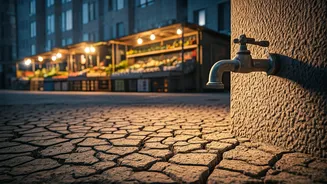
India's cities are thirsty, and their primary source of relief—monsoon-fed reservoirs—are under strain. Water shortages have been reported across the country as a direct result of the delayed and weak monsoon. In Mumbai, dwindling reservoir levels have forced the local government to implement water restrictions, including cutting supplies to construction sites and swimming pools, to preserve water for essential needs. By late June, some reports indicated that Mumbai's water reserves were sufficient for only another 40 days. This isn't an isolated incident. The pattern of a delayed start and below-average rainfall means reservoirs that are meant to be replenished between June and September are not getting filled. This leads to increased reliance on water tankers, long queues at public taps, and a strain on household budgets and daily routines, turning a predictable utility into a source of daily anxiety.
The Paradox of Urban Flooding
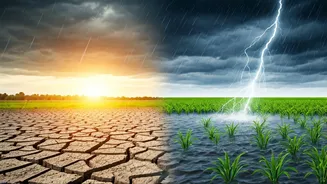
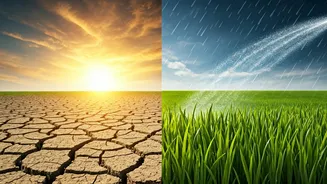
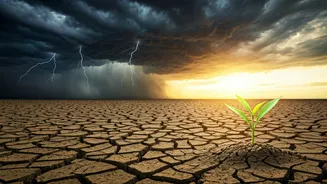
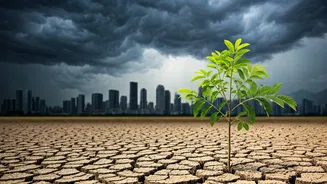
One of the most dangerous consequences of a changing monsoon is the 'drought-deluge' cycle. Climate change is altering rainfall patterns, leading to longer dry spells punctuated by short, intense bursts of extreme rain. While the overall seasonal rainfall may be deficient, a few hours of torrential rain can overwhelm urban drainage systems that are often poorly maintained or encroached upon. This creates the paradox of cities experiencing floods even during a drought-like year. Paved surfaces from relentless urban expansion prevent rainwater from percolating into the ground to recharge aquifers. Instead, the water turns into destructive runoff, causing flash floods. This means cities are not only struggling with water scarcity but are also increasingly vulnerable to sudden, damaging inundation.
Economic Ripples in the Concrete Jungle
The economic impacts of rainfall gaps stretch far into the urban economy. The most immediate effect is on food prices. A weak monsoon hits agricultural production, and lower crop yields mean less supply, leading to food price inflation that is felt keenly in urban kitchens. But the effects go deeper. Water shortages can halt construction activity, a major urban employer. Furthermore, deficient rainfall impacts hydropower generation, placing more pressure on the electricity grid and potentially leading to higher power costs as utilities switch to more expensive thermal power. This combination of rising food and utility costs can slow the broader economy, as reduced rural incomes dampen demand for goods and services produced in urban centres.