





The New Age of Indian Globetrotting
India's outbound travel market is booming. A growing middle class, rising aspirations, and a severe case of post-pandemic wanderlust have created a generation of travellers eager to stamp their passports. Yet, this enthusiasm is met with the hard reality
of rising global travel costs and currency fluctuations. A Skyscanner report from late 2026 revealed that while 58% of Indians plan to travel abroad more, a significant 67% have considered changing destinations for better value. This creates the central dilemma: the heart wants a hassle-free trip to a dream destination, but the head is increasingly focused on smart, value-conscious spending. Travellers are not cancelling trips, but they are planning more strategically, often booking 6 to 10 weeks in advance to lock in better prices.
The Powerful Allure of Convenience
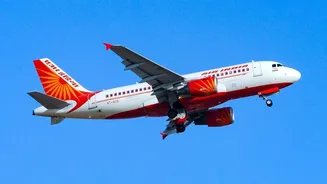
In the modern travel equation, convenience is a luxury many are willing to pay for. This means more than just a comfortable seat; it's about minimising travel friction. Direct, non-stop flights are the gold standard, saving precious holiday time and reducing the fatigue of long layovers. Airlines have taken note, with carriers like IndiGo and VietJet launching direct routes to destinations like Vietnam and Greece, making them more accessible than ever. Beyond flights, easy visa processes are a major draw. Countries offering visa-free entry or simple e-visas—such as Thailand, Sri Lanka, Malaysia, and Japan—have seen a considerable uptick in interest from Indian tourists who prefer not to deal with complex paperwork and uncertainty. For many, especially those on shorter trips, the premium paid for convenience is a worthwhile investment in the quality of the holiday itself.
The Hard Numbers of Holiday Costs
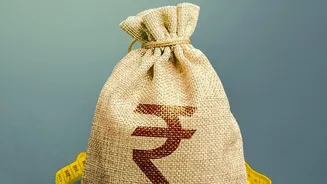
On the other side of the scale is the undeniable impact of cost. An international trip that might have cost ₹2 to 3 lakh a few years ago can now easily approach ₹3 to 5 lakh for long-haul destinations like Europe or the US. This isn't just about airfare. The on-ground expenses for accommodation, food, and activities in Western countries are significantly higher than in many parts of Asia. In contrast, destinations in Southeast Asia remain exceptionally budget-friendly. Countries like Vietnam, Cambodia, and Thailand offer incredibly low daily expenses, with delicious street food, affordable guesthouses, and cheap local transport. It's a trade-off: a week-long trip to Europe could finance a month of 'slow travel' in Bali. This financial reality is forcing many to ask whether the destination's brand value is worth the hefty price tag.
Finding the Sweet Spot: The Rise of the Middle Ground
Fortunately, the choice isn't always a stark one between an expensive but easy trip and a cheap but difficult one. A new middle ground of destinations is emerging, offering a compelling mix of good connectivity, reasonable costs, and exciting experiences. Vietnam has become a prime example, with new direct flights and a weak currency making it a popular choice. Similarly, countries in Central Asia like Uzbekistan and Kazakhstan are gaining traction, offering unique cultural experiences, affordable on-ground costs, and relatively short flight times. Even destinations like Egypt and Turkey provide a rich historical backdrop without the steep prices of Western Europe. These places prove that an adventurous and affordable holiday doesn't necessarily require multiple layovers and logistical headaches.
How to Choose the Right Trip for You
So, how do you decide? The best approach is to weigh three key factors: your budget, your available time, and your travel style. If your budget is tight but you have more time, a multi-stop flight to a budget-friendly region like Southeast Asia is a fantastic option. You can immerse yourself in the local culture without constantly worrying about expenses. If you have limited leave from work and your priority is to relax and maximise your vacation time, paying extra for a direct flight and a hassle-free destination makes perfect sense. If you're an adventurous traveller who enjoys the journey as much as the destination, embracing layovers can unlock significant savings. Ultimately, it's about defining what 'value' means to you—is it saving money, saving time, or having a particular experience?