

The Obvious Danger: Direct Water Damage
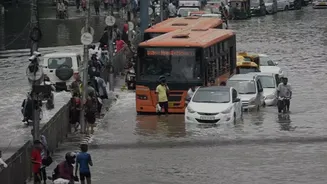
The most straightforward risk is, of course, direct contact with water. Whether it's a phone caught in a downpour or a laptop sitting near a leaky window, moisture getting inside a device is an emergency. When water meets the powered-on internal circuitry,
it can cause an immediate short circuit, frying the delicate components instantly. Even if the device survives the initial contact, leftover mineral deposits can cause corrosion and problems down the line. Many modern phones come with an IP (Ingress Protection) rating, suggesting water resistance. However, this resistance degrades over time and often doesn't cover high-pressure splashes or full submersion. If your device does get wet, the first and most critical step is to power it down immediately. Do not try to turn it on to see if it works, and absolutely do not plug it in. Gently dry the exterior, remove any cases or cards, and let it air dry in a well-ventilated area, with ports facing down to allow water to drain.
The Silent Threat: High Humidity
Perhaps more damaging than a sudden splash is the constant, creeping threat of humidity. During the monsoon, relative humidity levels can easily exceed 70%, creating an environment that is hostile to electronics. This moisture-laden air can get inside devices even if they are never exposed to rain. Over time, this humidity leads to condensation on internal components like circuit boards and connectors. This unseen moisture can cause gradual corrosion, where metal parts slowly degrade, leading to poor electrical connections and eventual failure. It can also cause short circuits and leakage currents, where electricity flows down unintended paths, causing malfunctions or overheating. This is why a device might stop working for no apparent reason during a particularly damp period. The damage from humidity is slow and insidious, often showing no external signs until it is too late.
The Sudden Shock: Power Surges
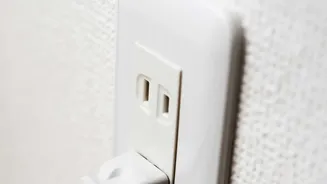
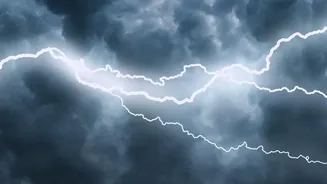
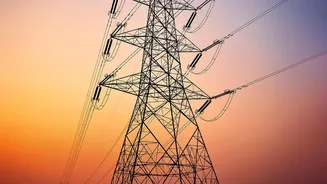
Monsoon thunderstorms are notorious for lightning, which poses a significant threat to any electronic device plugged into a wall socket. A nearby lightning strike can send a massive surge of electricity—a voltage spike—through the power grid. This surge can travel through your home's wiring and instantly destroy sensitive electronics like televisions, computers, Wi-Fi routers, and even simple phone chargers. While a direct lightning strike on your home is rare and virtually unstoppable, most damage comes from these indirect surges that travel through power lines. Power fluctuations and outages, which are common during heavy rains, can also create smaller but still damaging surges when the power is restored. Any device that is plugged in is vulnerable, whether it is turned on or not. The sensitive microprocessors in modern gadgets are not designed to handle such extreme voltage fluctuations, and a single powerful surge can render them permanently useless.
Your Monsoon Protection Plan
Protecting your electronics doesn't require a huge investment, just a few smart habits. First, for power surges, use a quality surge protector for all valuable electronics. These devices look like power strips but are designed to absorb and divert voltage spikes. Note that a basic power strip offers no protection at all. For maximum safety during a severe thunderstorm, the best course of action is to unplug your most valuable equipment, like TVs and computers, entirely. To combat humidity, ensure good ventilation around devices like TVs and routers that generate heat. Storing gadgets in closed, unventilated cabinets can trap humid air. For smaller items like cameras or stored phones, placing them in an airtight container with silica gel packets can absorb ambient moisture. In extremely damp homes, a dehumidifier can help maintain a safer humidity level (ideally between 40-60%) in the room where you keep most of your electronics.