






The Backlash to Big Wellness
For years, the concept of 'home wellness' was tied to big budgets and dedicated square footage. It meant having a room for a Peloton, a bathroom that resembled a luxury spa, or a kitchen stocked with every high-tech gadget imaginable. While aspirational,
this vision was unattainable for most and often felt more like a performance than a genuine practice of self-care. The new wave of home wellness is a direct reaction to that. It’s a quiet rebellion against the idea that well-being must be expensive or Instagrammable. Instead, it prioritises creating an environment that genuinely supports your mental and emotional health through small, accessible, and highly personal adjustments. This shift is less about renovating your space and more about curating it with intention.
Creating Your Calm Corner
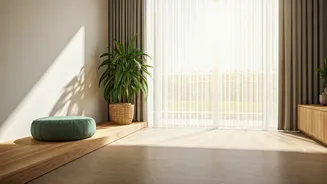
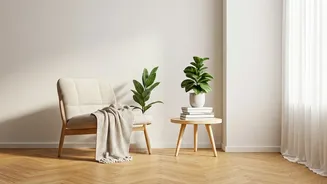
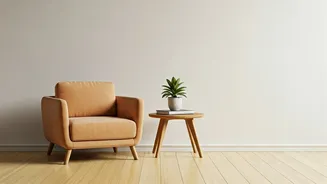
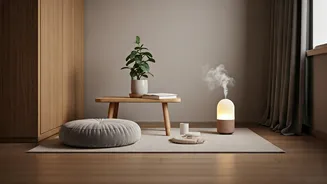
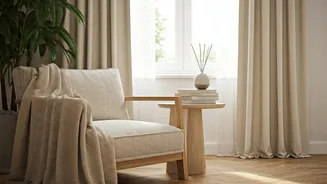
The core of this new approach is the idea that you don’t need an entire room to feel at peace. A small, dedicated 'calm corner' or 'wellness nook' can be just as effective. This could be a comfortable armchair by a window, a small section of your bedroom with a yoga mat and a few plants, or even just a decluttered surface on your desk. The goal is to designate a space—no matter how small—that signals to your brain it’s time to relax and disconnect. It’s about practicality. This space doesn’t need to be perfect; it just needs to be yours. By creating a physical boundary for relaxation, you make it easier to build mental boundaries against the stresses of daily life, turning a simple corner into a powerful tool for mindfulness.
Engage Your Senses
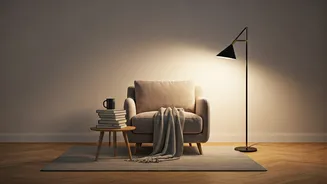
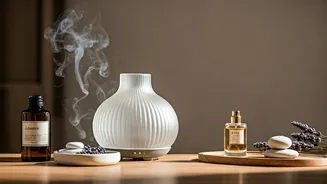
A key part of making wellness personal and practical is engaging the senses. This is where small items can have an outsized impact on the atmosphere of your home. Think about what makes you feel calm and incorporate it. * **Scent:** An essential oil diffuser is a classic for a reason. Scents like lavender, chamomile, or sandalwood can have a powerful grounding effect. Even a high-quality scented candle or a simple room spray can instantly change the mood of a space. * **Light:** Harsh, overhead lighting is the enemy of relaxation. Opt for layered, warm lighting. A simple floor lamp with a warm-toned bulb, a salt lamp for a soft glow, or even smart bulbs that you can adjust from your phone can create a soothing ambience. For those in cloudier climates, a light therapy lamp (SAD lamp) can be a practical addition to boost mood during darker months. * **Sound:** Curate your auditory environment. This might mean investing in noise-cancelling headphones to block out distractions, using a white noise machine for sleep, or creating a playlist of calming music or ambient sounds. The goal is to control what you hear, replacing chaotic noise with intentional sound.
The Comfort of Touch
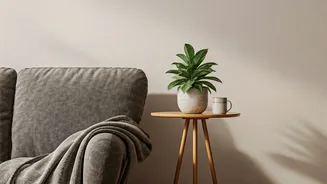
Don’t underestimate the power of tactile comfort. Surrounding yourself with textures that feel good can be profoundly soothing. This is one of the easiest ways to embed wellness into your existing decor. A weighted blanket on your sofa or bed can provide a comforting, secure feeling that helps reduce anxiety. Upgrading to soft, breathable bedding made from natural fibres like linen or organic cotton can transform your sleep quality. Even smaller touches, like a plush rug under your feet, a soft throw draped over a chair, or a favourite ceramic mug that feels good in your hands, contribute to a sense of everyday luxury and comfort. It’s about noticing the physical sensations in your environment and choosing ones that bring you peace.
Bring Nature Inside
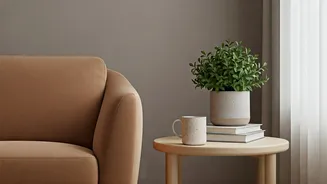
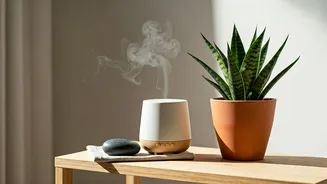
Biophilic design—the practice of connecting with nature indoors—is a cornerstone of modern home wellness, and it doesn’t require a jungle. A few low-maintenance houseplants like snake plants or pothos can purify the air and bring a sense of life and vibrancy to a room. If you don’t have a green thumb, you can still incorporate natural elements. Think about materials like wood, stone, wool, and rattan in your furniture and decor. A simple vase of fresh flowers, a bowl of stones collected on a walk, or even art depicting natural landscapes can serve as a calming focal point and a reminder of the world outside your walls.