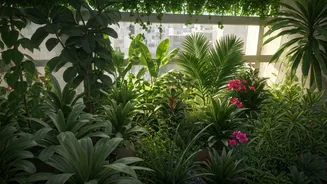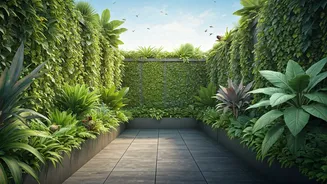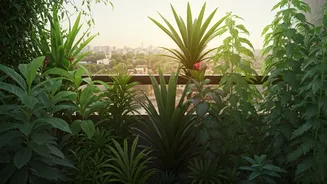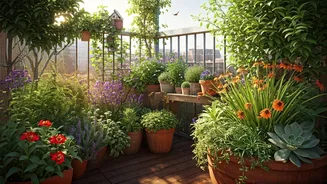





From Concrete Ledge to Green Refuge
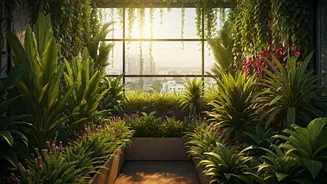
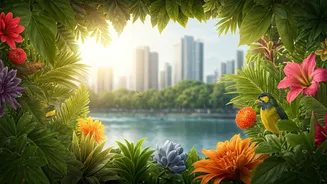
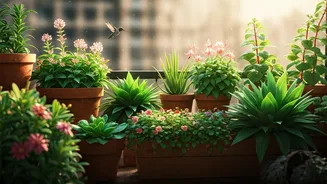
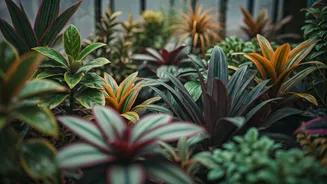
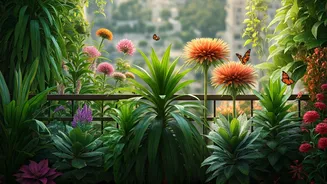
So, what exactly is a “tiny terrace”? The term affectionately describes any small urban space intentionally cultivated with plants. Think of it as the conscious greening of a balcony, a collection of pots on a patio, a vertical garden on a wall, or even
a simple window box bursting with life. In cities where backyards are a luxury, these micro-gardens are emerging as powerful tools for environmental change. They defy the assumption that food cultivation and green spaces lead to a loss of biodiversity, showing instead that urban farms and gardens can have a profoundly positive effect. [29, 26] It’s a shift in perspective: seeing these areas not as storage for unused furniture, but as active, living ecosystems.
The Green Stepping Stones of the City
The single greatest threat to urban wildlife is habitat fragmentation—concrete jungles that create isolated green “islands” like parks, making it impossible for many species to move, feed, and reproduce. [9] This is where the network of tiny terraces comes in. While one planted balcony may seem insignificant, hundreds or thousands of them create a series of 'green stepping stones' or 'wildlife corridors'. [10, 12] These corridors connect larger green patches, allowing pollinators like bees and butterflies, as well as birds and other small creatures, to travel safely across the urban landscape. [2, 12] This connectivity is crucial for maintaining genetic diversity and robust, resilient wildlife populations. [8] A connected network of small gardens can be more ecologically valuable than a single, large, isolated park. [9]
A Buffet for Birds and Bees
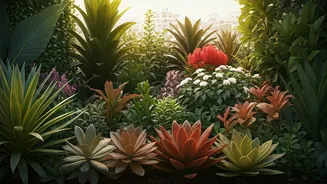
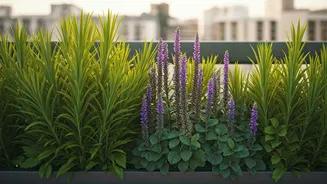
A tiny terrace planted with a variety of species, especially native ones, becomes a vital refuelling station. [15] Native plants, in particular, provide the precise food sources—nectar, pollen, seeds, and foliage—that local wildlife has evolved to depend on. [15, 13] Combining plants that bloom in different seasons ensures a continuous source of food throughout the year. [6] For example, herbs like lavender and rosemary are magnets for pollinators, while parsley and dill serve as host plants for the swallowtail butterfly. [15] Adding a simple water source, like a small basin or bird bath, can be a lifeline for birds and insects, attracting them to your space and supporting them on their journey. [6, 8]
Nature's Own Air Conditioners
Cities are often several degrees hotter than surrounding rural areas due to the urban heat island effect, where concrete and asphalt absorb and radiate heat. [24, 30] Green spaces, no matter their size, help counteract this. [3] Through shade and a process called evapotranspiration (where plants release water vapour), vegetation can significantly cool the air. [22] Studies have shown that even small green spaces can lower local temperatures, improving livability during heatwaves and reducing reliance on energy-intensive air conditioning. [3, 21] Furthermore, plants act as natural air purifiers, filtering pollutants and capturing carbon dioxide, which contributes to better air quality and climate change mitigation. [25, 14]
Creating Your Own Tiny Oasis
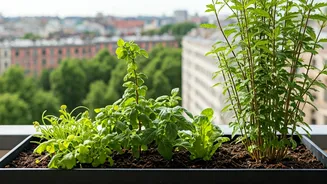
Starting your own tiny terrace is easier than you might think. For Indian city dwellers, there are numerous climate-compatible plants that thrive in containers. For sunny balconies, consider hardy bloomers like Bougainvillea, Hibiscus, Marigold, and Petunias. [17, 31] In shadier spots, Money Plants, Snake Plants, and Spider Plants do well. [25] Herbs like Tulsi (Holy Basil), Mint, and Curry Leaf Plant are not only low-maintenance but also useful in the kitchen. [4, 25] The key is choosing plants suited to your specific conditions—sunlight, space, and climate. [31] Using native plants is highly recommended, as they are adapted to the local environment, require less water, and provide maximum benefit to local wildlife. [4, 13]
Good for Nature, Good for You
The impact of these tiny gardens extends beyond ecology. Engaging with nature, even on a small scale, has well-documented mental health benefits. The simple act of gardening can reduce stress, anxiety, and depression by lowering cortisol levels. [18, 16] It provides a sense of purpose and accomplishment, offers gentle physical activity, and encourages mindfulness by grounding you in the present moment. [11, 18] Watching life sprout and grow on your balcony fosters a connection to the natural world that is often lost in urban living, boosting feelings of happiness and overall well-being. [7, 16]