





The Great Indian Vitamin D Paradox
It seems strange: in a country blessed with abundant sunshine, a significant portion of the population has low levels of Vitamin D. Several factors contribute to this. Modern life often means more time spent indoors for work and school. When we are outside,
high levels of air pollution in many cities can block the specific UVB rays our skin needs to produce the vitamin. Furthermore, the melanin in Indian skin, which protects against sun damage, also means that more sun exposure is needed to generate the same amount of Vitamin D compared to lighter skin. Cultural clothing choices that cover most of the body also limit the skin's exposure. Together, these factors make it challenging to rely on sunlight alone.
For Non-Vegetarians: Embrace Oily Fish
For those who eat non-vegetarian food, fatty fish are the most potent natural source of Vitamin D. Varieties commonly found in Indian coastal and river regions are excellent choices. Mackerel (Bangda), sardines (Mathi), and Hilsa are particularly rich in this nutrient. Including these fish in your diet a couple of times a week can significantly contribute to your Vitamin D intake. Unlike lean fish, these species store the vitamin in their fatty tissue and flesh. Egg yolks also contain a helpful amount of Vitamin D, making them another accessible and affordable option for many households.
For Vegetarians: The Fortification Factor
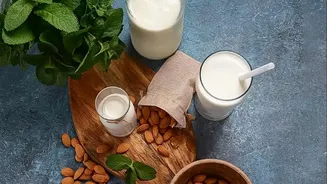
The truth is, natural vegetarian food sources of Vitamin D are extremely limited. This is where fortified foods become essential. In India, you can now find a range of products with added Vitamin D. Milk is the most common, with many brands offering fortified versions of toned or double-toned milk. Fortified curd and yoghurt are also available. For vegans or those who prefer plant-based options, fortified soy milk and other plant milks can be good sources. It's also worth checking the labels on breakfast cereals and even some brands of edible oil, which can provide a small but consistent intake. Always check the packaging to confirm it says 'Fortified with Vitamin D'.
A Special Mention: Mushrooms and Sunlight
Mushrooms are the only significant plant-based source of Vitamin D, but there's a catch. They only produce the vitamin when exposed to UV light. Most commercially grown mushrooms are cultivated in the dark and contain very little. However, if mushrooms are exposed to sunlight for about 15-30 minutes before cooking, their Vitamin D content can increase substantially. Some brands are now selling pre-exposed or UV-treated mushrooms, so look out for those in specialty stores. While not a magic bullet, adding sun-exposed mushrooms to your sabzis, pulaos, or soups is a useful strategy for vegetarians.
Managing Expectations: Diet vs. Deficiency
While a thoughtful diet can help maintain healthy Vitamin D levels, it's important to be realistic. For someone with a significant deficiency, food alone is often not enough to correct the problem. The amounts of Vitamin D in most foods are modest compared to the levels needed to resolve a deficiency. The recommended daily allowance for adults in India is around 600 IU (International Units). If you experience symptoms like persistent fatigue, bone pain, or frequent infections, it's crucial to consult a doctor. They can order a blood test to check your levels and may recommend supplementation if needed. Do not take high-dose supplements without medical advice.