






The New Digital Toolkit
Gone are the days of anxiously scanning printed charts or relying on hurried announcements. For the modern solo traveler in India, the smartphone has become an indispensable co-pilot. This isn't just about convenience; it's a fundamental shift in how
we experience travel. The 'digital network' is a combination of official apps, third-party platforms, and social communities that together create a seamless and empowering journey. From predicting ticket confirmation chances to tracking a train's exact location without internet, technology has demystified the iconic Indian train ride, making it more accessible and far less intimidating for those traveling alone.
Mastering the Booking Maze
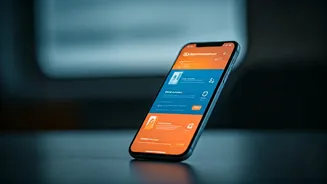
The first step is securing a seat. While the official IRCTC Rail Connect app is the primary source, tech-savvy travelers often use third-party aggregators like ixigo, MakeMyTrip, or ConfirmTkt. These platforms offer more than just a user-friendly interface. Their killer feature is often PNR prediction. For a waitlisted ticket—a common scenario in India—these apps use historical data and algorithms to forecast the probability of your ticket getting confirmed. This data-driven insight allows a solo traveler to make an informed decision: wait it out, book a 'Tatkal' (last-minute) ticket, or look for an alternative train. It transforms a game of chance into a calculated strategy.
Real-Time Tracking for Peace of Mind
Perhaps the biggest anxiety for any train traveler is uncertainty. Is the train on time? Which platform will it arrive on? When is my stop? Apps like 'Where is my Train' have become a travel essential because they answer these questions with remarkable accuracy. The app’s standout feature is its ability to function offline, using the phone’s GPS and cell tower signals to pinpoint the train’s location. This means even in rural areas with spotty internet, a solo traveler knows exactly where they are and how many minutes are left until their destination. This simple tool provides immense peace of mind, especially during overnight journeys or when arriving in an unfamiliar city late at night.
The All-Important Digital Safety Net
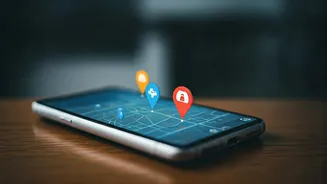
For solo travelers, especially women, safety is paramount. Digital tools provide a powerful, invisible safety net. Before boarding, many share their live location via Google Maps or WhatsApp with family and friends. They share their PNR number, coach, and seat details, allowing loved ones to track their journey remotely. Some travelers use dedicated safety apps that can send an SOS alert with a single tap. This digital check-in system creates accountability and ensures that someone always knows where you are. It’s a modern-day equivalent of telling the station master your travel plans, but far more effective and dynamic.
Finding Your Community on the Go
The 'network' in 'digital network' extends beyond apps to people. Solo travelers are tapping into vibrant online communities to supplement their journeys. Subreddits like r/indiatravel or dedicated Facebook and WhatsApp groups are treasure troves of real-time advice. Travelers post questions about station facilities, food quality on a specific train, or the safety of a particular route and get instant answers from fellow travelers. This digital word-of-mouth helps with everything from finding a good cup of chai at a station to getting tips on local transport upon arrival. It fosters a sense of shared experience, reminding the solo traveler that they are part of a larger, supportive community, even when they are physically alone.