






Widespread Disruptions Reported
Recent days have seen significant travel chaos due to heavy monsoon rains across India. In Mumbai, intense downpours on July 10 caused severe waterlogging, leading to major disruptions on the Western Railway network and leaving commuters heading towards
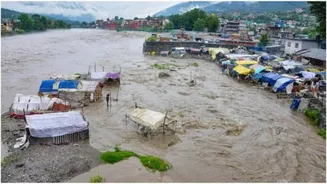
Virar, Vasai, and Nalasopara stranded. Central Railway also cancelled 30 long-distance trains until July 17 after multiple landslides on the crucial Mumbai-Pune route in the Bhor Ghat section. The disruptions are not limited to Maharashtra. The India Meteorological Department (IMD) has forecast an intense spell of rain for North India, warning of potential flooding and traffic disruptions in Haryana, Delhi, and especially Uttarakhand, which faces a risk of flash floods and landslides. The Northeast has also been hit hard, with floods in Mizoram and Tripura forcing evacuations and landslides blocking national highways.
Checking Your Train Status Is Crucial
Before you leave for the station, checking your train's status is non-negotiable. Heavy rain has led to widespread cancellations and delays. For example, Western Railway had to cancel several premium trains like the Shatabdi Express and Tejas Rajdhani Express on July 9 due to waterlogging. The most reliable way to get real-time information is by using the National Train Enquiry System (NTES) app or its website. You can also dial the railway helpline at 139 for live updates. Several railway divisions, including Konkan Railway, have also announced revised schedules for certain trains during the monsoon period to ensure safety, so it is wise to double-check timings even if your train is not cancelled. Central and Western Railways have both advised passengers to expect delays of 20-25 minutes on many routes due to reduced speeds in waterlogged sections.
Navigating Treacherous Roads
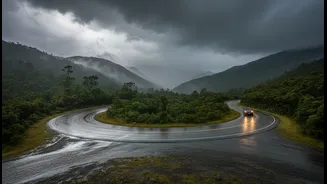
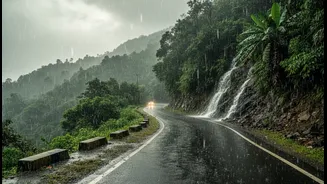
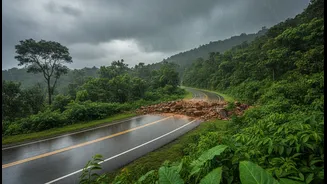
Road travel, especially in hilly regions and major cities, becomes hazardous during heavy downpours. In Himachal Pradesh and Uttarakhand, torrential rains on July 10 led to multiple landslides, blocking crucial highways like the Yamunotri and Gangotri National Highways and over 100 other roads. Rockfalls have also been reported along the Kalka-Shimla National Highway. In cities like Mumbai and Delhi, waterlogging is the primary concern, leading to massive traffic snarls. Before starting a road trip, always check traffic conditions using apps like Google Maps, which provide real-time updates on closures and congestion. Heed official warnings and avoid travelling into areas for which the IMD has issued a red or orange alert. If you are in a hilly area, be aware of the increased risk of landslides and avoid parking or stopping in vulnerable spots.
Know the High-Risk Zones
While the monsoon affects the entire country, some regions are currently at higher risk. The IMD has issued alerts for widespread rainfall across North India, particularly Himachal Pradesh, Uttarakhand, and parts of Uttar Pradesh through mid-July. The western coast, including Konkan & Goa and Mumbai, continues to see disruptions from heavy rain. In the Northeast, Mizoram and Tripura are grappling with floods and landslides that have blocked major highways and displaced thousands. The IMD provides detailed, district-wise warnings on its official website, which should be your first point of reference when planning travel to or through these regions.
Your Monsoon Travel Checklist
Being prepared can make a huge difference if you get stranded. Pack a 'monsoon emergency kit' for your journey. This should include a powerful power bank for your phone, waterproof bags or zip-lock pouches to protect electronics and documents, and an umbrella or raincoat. Carry extra food, such as energy bars and biscuits, and a bottle of clean drinking water. If you are travelling by car, ensure your vehicle's tyres, wipers, and headlights are in good condition. A first-aid kit and a torch are also essential additions. For train journeys that might get unexpectedly extended, having extra snacks and water can provide much-needed comfort.