



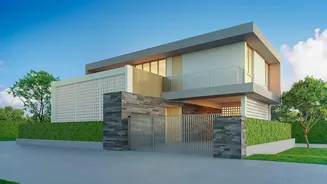
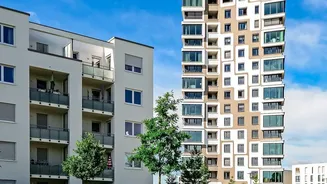
Location, Location, Location
One of the strongest arguments for a redeveloped flat is its location. These projects typically replace older buildings in established, centrally located neighbourhoods. This means you get immediate access to mature infrastructure: schools, hospitals,
markets, and public transport are already in place and functioning well. New construction projects, on the other hand, are often located in emerging suburbs or on the outskirts of the city where large land parcels are available. While these areas may promise future growth, you might have to wait years for the surrounding infrastructure to catch up. For buyers who prioritise staying connected to a familiar locality and minimising their daily commute, a redeveloped property often has a clear advantage.
Cost and Financial Implications
On the surface, a new flat often comes with a higher price tag per square foot. Furthermore, under-construction properties attract a Goods and Services Tax (GST) of 5%, which is not applicable to redeveloped or resale properties, adding a significant amount to the total cost. However, the financial picture is more complex. While a redeveloped flat might have a lower entry price, it could come with higher maintenance costs due to the shared amenities and society structure. New projects often come with flexible, construction-linked payment plans, which can ease the immediate financial burden. Conversely, buying a flat in a building just before it goes into redevelopment can sometimes feel like getting a future new flat at an old price, but this is a significant gamble.
Legal Diligence and Associated Risks
This is where the two options diverge significantly. Buying a new flat from a reputed builder involves verifying the project's RERA registration, commencement certificate, and land title. The process is relatively straightforward. A redeveloped property, however, demands far greater scrutiny. You must verify not only the title of the land but also the Development Agreement between the society and the builder, the consent of the original members, and whether transit rent is being paid on time. A single disgruntled member or a builder with a poor track record can stall the project indefinitely, trapping your investment. The legal risk is substantially higher with redevelopment, making thorough due diligence by a property lawyer non-negotiable.
Amenities and Quality of Life
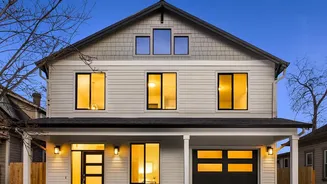
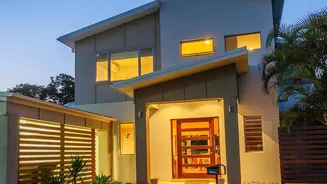
New construction projects are designed for modern lifestyles, often boasting a wide array of amenities like swimming pools, gyms, clubhouses, coworking spaces, and landscaped gardens. The layouts are typically more open, with better natural light and space planning. Redeveloped buildings also offer modern amenities that were absent in the original structure, such as secure parking, new lifts, and improved security. However, the scale of these amenities might be smaller due to space constraints on the existing plot. While a new building guarantees that everything is untouched and under warranty, a redeveloped building provides a significant upgrade over an old flat, ensuring better plumbing, safer wiring, and earthquake-resistant construction.
Possession Timeline and Uncertainty
If you need to move in quickly, a ready-to-move-in new flat or a redeveloped flat where possession has begun is your best bet. However, many buyers consider under-construction properties. With a new project, the timeline is dictated by the builder's construction pace, and while RERA offers protection, delays can still occur. The timeline for a redeveloped property can be even more unpredictable. It is subject not just to construction speed but also to obtaining a complex web of approvals and maintaining consensus among society members. Stories of redevelopment projects stalling for years are common, leaving buyers in a difficult situation. Therefore, a new project from a developer with a strong delivery record often offers a more predictable timeline than a redeveloped one in its early stages.