







The Science of Smarter Windows
At its core, a smart window coating is a microscopic layer of transparent material applied to glass. The most common type is known as a low-emissivity, or Low-E, coating. Think of it as a highly advanced filter. These coatings are engineered with metallic
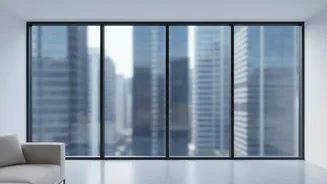
particles that are invisible to the naked eye but incredibly effective at managing heat. Unlike traditional blinds or heavy curtains that block both light and heat, these advanced coatings can differentiate between them. They are designed to be applied as a film to existing windows, making it a practical upgrade for many homes, or they can be integrated directly into new window panes.
How They Block Summer Heat
The magic lies in reflecting specific wavelengths of light. Sunlight is composed of visible light (what we see), ultraviolet (UV) rays, and infrared (IR) rays, which are what we feel as heat. Smart coatings are spectrally selective, meaning they are designed to reflect a large portion of the sun's infrared heat away from the window. This prevents that heat from entering your home and raising the indoor temperature. At the same time, they allow most of the visible light to pass through, so your rooms stay bright and naturally lit. In essence, you get the cooling effect without having to live in a dark cave, a common compromise during harsh Indian summers.
Real Impact on Electricity Bills
For any homeowner, the main question is whether this technology translates into actual savings. The evidence suggests it does. According to the U.S. Department of Energy, heat gain through windows can account for 25% to 30% of a home's cooling energy usage. By blocking a significant amount of solar heat, these coatings reduce the workload on your air conditioner. Your AC unit doesn't have to run as long or as hard to maintain a comfortable temperature, leading to a direct reduction in energy consumption. Some studies and manufacturers report that professionally installed solar control films can cut cooling costs by up to 30%, a significant saving over the course of a hot season.
More Than Just Cost Savings
The benefits of smart window films extend beyond your electricity bill. One of the most significant advantages is the blocking of harmful UV radiation. These films can block up to 99% of UV rays, which are the primary cause of fading in furniture, carpets, upholstery, and artwork. This protective barrier helps preserve your valuable interiors for longer. Furthermore, by reducing intense hotspots and glare near windows, the coatings create a more consistently comfortable living environment throughout your home. This means you can enjoy the view from your window without feeling the intense heat or being blinded by the glare.
What Are Your Options?
The term 'smart window' covers a few different technologies. The most accessible are retrofit films, such as Low-E solar control films, that can be applied to existing windows. Beyond these, there are more advanced 'active' technologies. Electrochromic or PDLC (Polymer Dispersed Liquid Crystal) films can change from clear to opaque with the flip of a switch or via a smart home app. There are also 'passive' thermochromic coatings that automatically tint in response to rising temperatures. While active technologies offer more control, high-performance solar films represent a cost-effective starting point for most urban homeowners in India.
Availability and Viability in India
This technology is no longer a distant dream; it's readily available across India. Numerous national and local suppliers offer a range of solar control and Low-E films suitable for residential application. You can find them on major e-commerce platforms and through specialised home solution providers in cities like Mumbai, Delhi, and Bengaluru. While the upfront cost is an investment, it's important to view it in terms of long-term returns. The payback period comes from accumulated energy savings and the extended life of your home's interiors. Given India's rising temperatures and electricity tariffs, treating your windows is becoming one of the smarter home upgrades you can make.