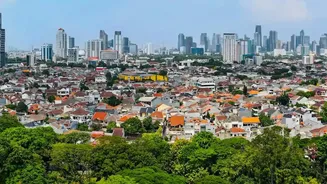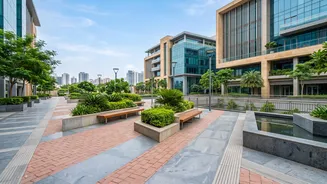







For decades, the sound of Indian cities has been the roar of traffic. But a quiet revolution is underway as metros begin to reclaim their streets for people, creating vibrant public spaces that encourage walking, community, and connection.
From Gridlock to Green Space
For years, urban
planning in India seemed to follow a single mantra: build more roads, flyovers, and parking lots to accommodate an ever-increasing number of vehicles. This car-first approach, however, has led to chronic congestion, dangerous levels of air pollution, and a decline in public spaces. The result is cities that are often unhealthy and unsafe, especially for vulnerable groups like children and the elderly who find it difficult to navigate streets without proper footpaths. This prioritisation of cars has come at the cost of parks and public squares, fundamentally reducing the livability of urban centres and making them less people-friendly.
The Power of Pedestrianisation
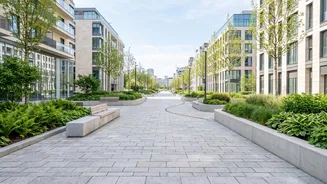
A growing movement is pushing back against this trend, championing walkability as a solution. The core idea is simple: design cities for people, not just for cars. Walkable cities offer immense benefits. They promote healthier lifestyles, reduce air and noise pollution, and improve road safety. Economically, pedestrian-friendly commercial areas often see a boost in business. In Chennai's Pondy Bazaar, for instance, a project to create traffic-free social spaces led to a notable increase in profits for local businesses as shoppers spent more time in the area. These initiatives are supported by national policies like the Atal Mission for Rejuvenation and Urban Transformation (AMRUT), which has helped fund hundreds of green mobility projects across the country.
Mumbai's Waterfront Renaissance
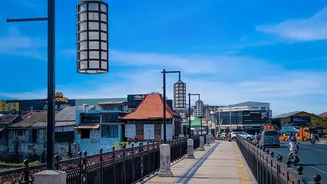
Mumbai is at the forefront of this shift, leveraging its extensive coastline to create world-class public promenades. The recently inaugurated Bandra Bay pedestrian corridor, part of a larger beautification initiative, has enhanced safety and accessibility along the waterfront. This project, a partnership between corporate entities and the municipal corporation, aims to turn underused land into a vibrant community hub with gardens, recreational facilities, and cultural zones. Further south, the Mumbai Coastal Road project includes a massive 7.5-kilometre-long promenade, nearly twice the length of Marine Drive, offering uninterrupted space for walking and cycling. These projects signal a commitment to reclaiming the coast for public enjoyment and recreation.
Chennai's Pioneering Footpaths
Chennai became the first city in India to adopt a Non-Motorised Transport (NMT) Policy, a landmark decision that legally prioritises pedestrians and cyclists. The city has since invested significantly in creating high-quality footpaths. Between 2013 and 2019, Chennai built over 100 kilometres of new footpaths. Studies have shown this led to a significant modal shift, with up to 29% of people on the improved stretches choosing to walk instead of using private vehicles. This shift is estimated to have prevented thousands of tonnes of CO2 emissions annually and has been linked to better public health outcomes. Initiatives like 'Safe Routes to School' are also transforming streets around educational institutions to be safer for children.
Delhi's Historic Makeover
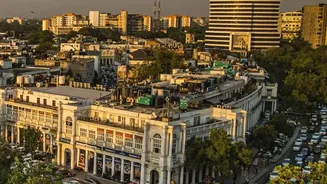
In Delhi, the ambitious redevelopment of Chandni Chowk aimed to restore the historic Mughal era thoroughfare into a pedestrian priority zone. The project transformed a 1.3 km stretch, creating a kerbless design with dedicated space for walking and seating, while restricting vehicle access during the day. The goal was to decongest the notoriously chaotic area, reduce pollution, and enhance its heritage value for locals and tourists alike. While the project successfully improved accessibility and the user experience initially, it has faced significant challenges with maintenance, overcrowding, and the displacement of informal workers, highlighting the complexities of large scale urban renewal.
The Road Ahead
While progress is being made, the path to fully walkable cities is not without obstacles. Challenges include ensuring proper maintenance, managing the concerns of all stakeholders like street vendors, and securing consistent political and financial support. However, the momentum is undeniable. A recent Supreme Court ruling recognised walking on safe footpaths as a fundamental right, providing a powerful legal backing for these initiatives. From Gurugram revamping its footpath network to national programs promoting green mobility, the message is clear : the future of Indian cities lies in creating spaces that bring people together , one step at a time.