








From Chatbot to Creation Engine
For years, the dream of no-code development has been to empower non-technical users to build their own applications. Platforms powered by large language models like ChatGPT are turning this dream into a practical reality. Instead of just answering questions,
these AI systems can now interpret project descriptions and generate the underlying structure for complex digital products. This shift from conversation to creation is particularly impactful for students working on projects, independent creators testing an idea, and small teams needing custom internal tools without a hefty budget. The process often starts with a simple, plain-language prompt describing the desired tool, which the AI then uses to generate layouts, databases, and even user logic.
Dashboards That Build Themselves
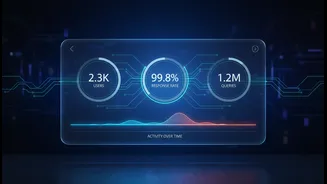
Data is essential for any project or business, but visualizing it effectively can be a major hurdle. AI-powered tools are simplifying the creation of data dashboards. Users can now upload a spreadsheet or connect a data source and ask the AI to build a dashboard that tracks key metrics. For instance, a small e-commerce team could ask for a dashboard showing daily sales, year-over-year growth, and top-performing products. The AI can generate the necessary charts, graphs, and key performance indicator (KPI) cards, arranging them into a clean layout. Some platforms even allow you to create these dashboards directly within programs like Excel by generating the required VBA code from a prompt, automating a once-manual process. This makes data analysis more accessible, allowing teams to spot trends and make decisions faster.
Custom Portals Without the Complexity
Client and internal portals are powerful tools for communication and organization, but they have traditionally been expensive and time-consuming to develop. Today, AI app builders can generate fully functional portals in a fraction of the time. A freelance creator could build a portal for clients to track project progress, view documents, and handle invoices. Similarly, a student group could create a portal to organize research, assign tasks, and share findings. These AI tools can handle essential features like secure user logins, ensuring each user only sees their own information, and can often integrate with existing tools like Google Sheets or Airtable.
Prototyping at the Speed of an Idea
One of the most significant accelerants AI brings to the table is rapid prototyping. Turning a new app idea into a tangible, testable prototype can now happen in hours or days, not weeks or months. A student with an idea for a mobile app can describe its features to an AI tool and receive a conceptual outline or even basic functional code to start with. This process allows creators to validate their concepts early, gathering user feedback on an interactive model before committing significant resources to full development. While AI can't handle complex visual design, it provides the structural and logical framework, bridging the gap between an abstract concept and a working model. This iterative feedback loop dramatically speeds up innovation and reduces the risk of building something nobody wants.
A New Toolkit for Innovation
For students, these tools offer a way to bring ambitious class projects to life, moving from theoretical knowledge to practical application by building data visualizations or project management hubs. For creators and small businesses, AI builders democratize software development, making it possible to create custom solutions that solve unique problems without hiring a developer. Whether it's an internal tool to track inventory, a portal to improve client communication, or a prototype for a future product, the barrier to entry has never been lower. This accessibility fosters a culture of experimentation and allows for a more agile response to changing needs.