



Popular Winter Treks for 2026-27
As winter approaches, several treks in Uttarakhand become prime destinations for snow lovers. For the 2026-27 season, classic choices remain the most reliable for a quintessential Himalayan winter experience. Kedarkantha is often called the 'Queen of Winter
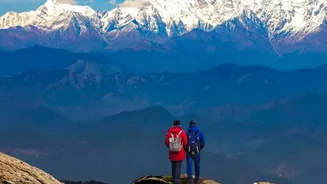
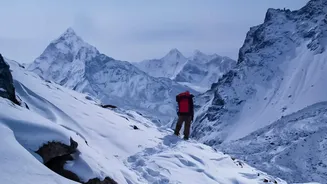
Treks' and is a top pick for beginners seeking a true summit climb, offering 360-degree views of famous peaks. Another excellent option is the Brahmatal Trek, known for its frozen high-altitude lakes and stunning, close-up views of giants like Mt. Trishul and Nanda Ghunti. For those enchanted by vast, rolling meadows blanketed in snow, the Dayara Bugyal trek is an ideal choice, popular with both families and first-timers for its gentle gradients and magnificent scenery. These treks are consistently recommended because they offer a manageable challenge for beginners while delivering immense rewards in terms of landscape and experience.
The Golden Rule: Master the Layering System
Staying warm and comfortable on a winter trek isn’t about wearing one thick, heavy jacket. Instead, it’s about a flexible system of multiple layers that work together to manage moisture and trap heat. This system typically consists of three essential parts: a base layer to keep you dry, a mid-layer for insulation, and an outer layer to protect you from wind and snow. The biggest mistake trekkers make is wearing cotton, which absorbs sweat and moisture, loses its insulating ability when wet, and can lead to a dangerous drop in body temperature. The goal is to add or remove layers throughout the day to adapt to changing temperatures and your level of exertion, ensuring you never get too sweaty during a climb or too cold during a rest stop.
Layer 1: The Base Layer (Your Second Skin)
The base layer is worn directly against your skin, and its single most important job is to wick moisture away. As you exert yourself while trekking, you will sweat, even in sub-zero temperatures. A good base layer, made of materials like merino wool or synthetics (polyester), pulls that sweat away from your skin to the fabric's outer surface, where it can evaporate. This keeps you dry, which is the foundation of staying warm. You should have at least two pairs of thermal tops and bottoms for a week-long trek.
Layer 2: The Mid-Layer (The Insulator)
The mid-layer's job is to trap your body heat and provide insulation. This is the layer that truly keeps you warm. The most common and effective mid-layers are fleece jackets and 'puffy' jackets insulated with down or a synthetic fill. Fleece is breathable and stays warm even when slightly damp, making it a versatile choice. A down jacket offers the best warmth-to-weight ratio and is perfect for the dry, cold conditions often found on Himalayan winter treks, especially during evenings at the campsite or on the summit push before sunrise. Many trekkers carry both a fleece and a padded jacket, using the fleece while walking and adding the padded jacket during breaks.
Layer 3: The Outer Shell (Your Shield)
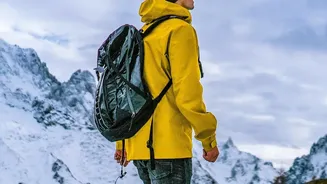
The outermost layer is your shield against the elements. Its purpose is to block wind and repel water from snow or rain, protecting the insulating layers underneath. Even the warmest down jacket will be ineffective if a strong wind cuts through it. A good outer shell should be windproof and water-resistant but also breathable enough to let moisture from your inner layers escape. This layer doesn't need to be heavily insulated itself; its main function is protection so that your mid-layers can do their job of keeping you warm.
Don't Forget Your Extremities
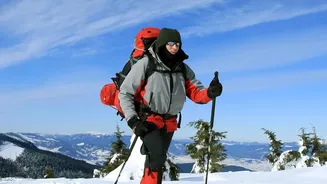
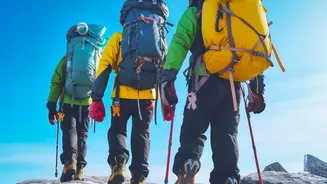
Proper layering extends beyond your torso. Your head, hands, and feet are crucial to your overall warmth. A warm woolen cap or beanie that covers your ears is non-negotiable to prevent heat loss. For your hands, a two-glove system works best: a thin pair of liner gloves for dexterity and a thick, waterproof pair of insulated gloves over them. For your feet, wear moisture-wicking trekking socks, preferably a wool-synthetic blend, and avoid cotton. High-ankle, waterproof trekking shoes with good grip are essential to keep your feet dry and stable on snowy trails.