




The Environmental Powerhouses
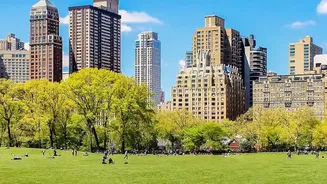
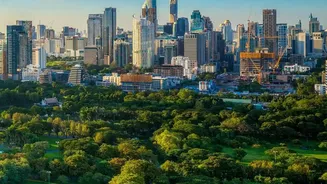
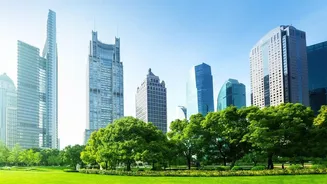
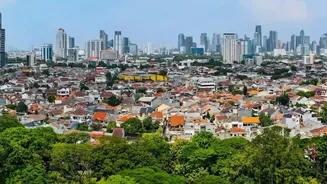
In a dense city, parks are the green lungs. Trees and vegetation act as natural air purifiers, absorbing pollutants and releasing vital oxygen. This process significantly improves air quality in the surrounding areas. Furthermore, urban parks are crucial
in combating the 'urban heat island' effect, where built-up areas with concrete and asphalt are significantly warmer than rural ones. The shade from trees and the moisture released by plants can cool local temperatures, reducing the reliance on energy-intensive air conditioning. They also play a vital role in water management by absorbing stormwater runoff, which helps prevent flooding and filters pollutants before they enter our waterways. These green spaces also serve as important havens for biodiversity, providing habitats for birds, insects, and other wildlife amidst the urban landscape.
A Boost for Public Health
The connection between green spaces and well-being is profound and well-documented. Urban parks encourage physical activity, offering residents free and accessible spaces for walking, jogging, and recreation. This activity is crucial for combating lifestyle diseases. Beyond physical health, the mental health benefits are immense. Exposure to nature has been shown to reduce stress, anxiety, and depression. A simple walk in a park can alleviate mental fatigue and improve mood and attention. In an increasingly fast-paced urban world, parks provide a necessary space for psychological relaxation and restoration, offering a buffer against the daily pressures of city life. Studies have shown that access to green space can lower the risk of poor mental health and reduce the need for related medications.
Weaving the Social Fabric
Parks are the social heart of a neighbourhood. They are democratic spaces where people from all walks of life can gather, interact, and build a sense of community. These interactions strengthen social ties between neighbours, which can lead to lower rates of social disorder and a greater sense of belonging. From children's playgrounds to community gardens and public events, parks facilitate social cohesion and engagement. Research even suggests a link between well-maintained parks and reduced crime rates, partly because these areas become vibrant community gathering spots. In cities where social inequalities can be stark, parks offer equitable access to nature, recreation, and respite for everyone, regardless of their economic background.
The Economic Ripple Effect
While we may not think of parks in economic terms, they provide substantial financial benefits to a city. For one, proximity to a well-maintained park often increases property values, boosting the local tax base. Parks also make neighbourhoods more attractive places to live and work, which can help attract and retain businesses. They serve as hubs for tourism, drawing visitors who spend money at local shops and restaurants. The management, maintenance, and programming of parks also create jobs in fields like horticulture and landscaping. Investing in green spaces is not just an expense; it is a strategic investment that can generate significant economic returns, from increased revenue to savings on healthcare costs associated with a healthier, more active population.