

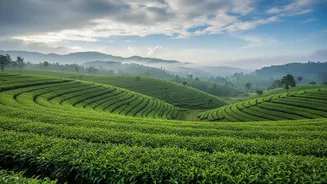


The Lush Green Carpet of Tea Gardens
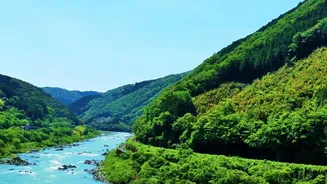
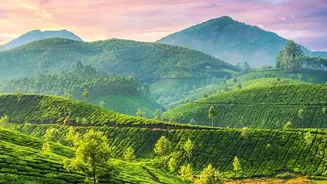
The monsoon breathes new life into Assam's famous tea estates, especially around Jorhat and Dibrugarh. The rains wash the leaves, creating a landscape of endless, brilliant green. While heavy rain can sometimes make travel challenging, the scenery is
unparalleled. Many estates offer stays in colonial-era bungalows where you can watch the downpour with a fresh cup of tea, a truly atmospheric experience. The aroma of wet earth mixed with tea leaves is something unique to this season. Though the finest quality tea is harvested just before the monsoon, the plantations are at their most picturesque during the rains.
The Misty Hills of Haflong
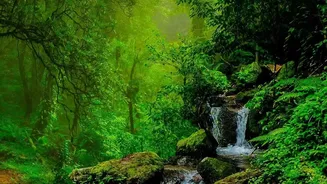
Known as the 'Switzerland of the East', Haflong is Assam's only hill station and is arguably at its best during the monsoon. The rain rejuvenates the landscape, turning it into a lush, green paradise. The hills are often cloaked in mist, creating a serene and mysterious atmosphere. Haflong Lake, surrounded by greenery, is a perfect spot for quiet contemplation. While the season offers stunning beauty, travelers should be mindful of potential landslides and road blockages, which can sometimes occur due to heavy rainfall. For adventure seekers, the area offers trekking opportunities through pristine forests and past gushing streams.
Majuli, The Mystical River Island
The world's largest river island, Majuli, offers a unique monsoon experience. The Brahmaputra River swells, and the island becomes a vision in green. It's a time of quiet and reflection, with fewer tourists. The monsoon enhances the tranquil atmosphere of the island's Satras, or neo-Vaishnavite monasteries. However, travel to and around Majuli during the monsoon requires flexibility. Ferry services from Jorhat can be disrupted by the powerful river, and parts of the island may experience flooding. Despite the challenges, seeing the island's resilience and lush beauty during this season is an unforgettable experience.
Wildlife Sanctuaries in a New Light
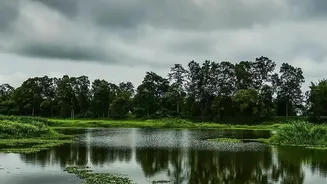
While major parts of Kaziranga and Manas National Parks are closed to visitors from around May/June to October due to flooding, some other wildlife areas offer a different kind of monsoon magic. Parks like Dibru-Saikhowa, which is a riverine and wetland ecosystem, come alive, offering fantastic opportunities for boat safaris and birdwatching as migratory species flock to the area. Pobitora Wildlife Sanctuary, known for its dense population of one-horned rhinoceroses, is also a great option for a monsoon safari, with the lush greenery providing a stunning backdrop for wildlife spotting.
Spiritual Solace in Guwahati
The gateway city of Guwahati takes on a soulful character during the rains. A visit to the famous Kamakhya Temple, perched atop the Nilachal Hills, feels even more mystical against grey, overcast skies. The annual Ambubachi Mela, a major pilgrimage and festival, often takes place during the monsoon, offering a deep dive into Assamese spiritual traditions. A quiet boat ride to the Umananda Temple on an island in the Brahmaputra is another serene experience, with the rain adding a peaceful rhythm to the river journey.