
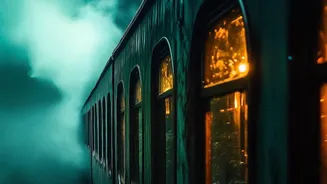
The Magic of the Monsoon Journey
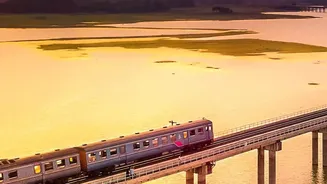
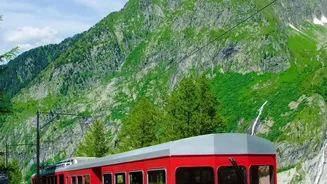
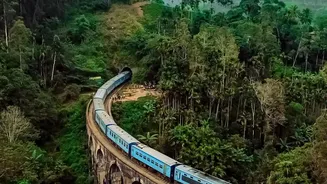
Stretching over 740 kilometres from Maharashtra to Karnataka, the Konkan Railway is an engineering marvel that cuts through the magnificent Western Ghats. While beautiful year-round, the route truly comes alive during the monsoon months. From June to October,
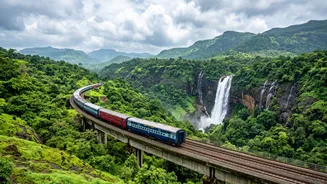
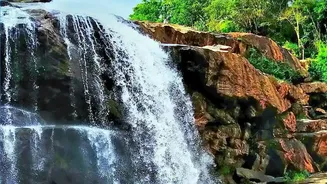
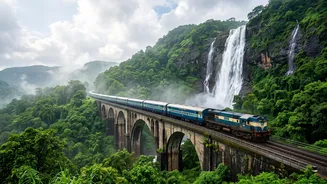
the landscape erupts in a riot of green, and countless seasonal waterfalls cascade down the hillsides, creating a spectacle best viewed from a train window. The journey becomes less about reaching a destination and more about the experience itself, winding through over 2,000 bridges and 90 tunnels.
Why the Mandovi Express Is Your Best Bet
Several trains ply the Konkan route, but the Mandovi Express (running between Mumbai's CSMT and Goa's Madgaon) is a traveller favourite for one key reason: its schedule. As a daytime train, it allows passengers to soak in the panoramic vistas that an overnight journey would hide. It’s perfectly timed to pass through the most stunning sections of the route in broad daylight, ensuring you don't miss the dramatic landscapes and, most importantly, the waterfalls that define this iconic trip. The train is also affectionately nicknamed the 'Food Queen' of the Konkan Railway for its excellent onboard catering, making the 12-hour journey even more enjoyable.
Timing Is Everything: The Monsoon Window
To witness the waterfalls in their full, thunderous glory, you must travel during the peak monsoon season. The ideal window is from June to September, with August often providing the most dramatic displays of water. During this period, the famed Dudhsagar Falls becomes a powerful torrent, earning its name, which translates to 'Sea of Milk'. While the views are spectacular, be aware that heavy rains can sometimes lead to delays. The railway, however, implements a special monsoon timetable and safety precautions to ensure operations remain as smooth and safe as possible.
Booking and Choosing Your Coach
The Mandovi Express is incredibly popular, especially during the monsoon. It's crucial to book your tickets well in advance, sometimes even two to three months prior, to secure a spot. When it comes to choosing a coach, you have a trade-off. Non-AC coaches like Second Seating (2S) and Sleeper Class (SL) offer the unfiltered experience—the ability to open the window for unobstructed photos and to feel the cool, misty air. However, AC Chair Car (CC) and AC 3 Tier (3A) provide significantly more comfort, which is a big plus on a 12-hour journey, though the sealed windows mean you'll be viewing the scenery through glass.
The Million-Rupee Question: Which Side to Sit?
This is the single most important tip for a successful waterfall ride. For the journey from Mumbai to Goa, you must secure a seat on the right side of the train. This side offers the best and most direct views of the coastline, valleys, and the main event: Dudhsagar Falls. As the train approaches the falls, it takes a dramatic curve, and passengers on the right are treated to a breathtaking, full view of the cascades. If you are travelling from Goa back to Mumbai, you will want to be on the left side of the train to get the same spectacular views.
The Star Attraction: Dudhsagar Falls
The highlight of the journey for many is the majestic Dudhsagar Falls, located on the border of Goa and Karnataka between the Kulem and Castle Rock stations. As one of India's tallest waterfalls, it plunges down from a height of over 310 meters. During the monsoon, the force of the water is immense, and trains often slow down or stop briefly on the viaduct that runs right across it, offering passengers an unforgettable, close-up view. Keep your camera ready as you depart Kulem station heading towards Castle Rock; this is where the magic happens. While you can see the falls from both sides, the right side provides that iconic, sweeping view as the train curves.