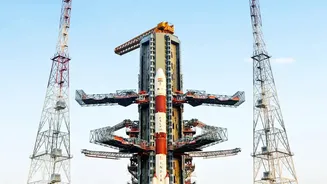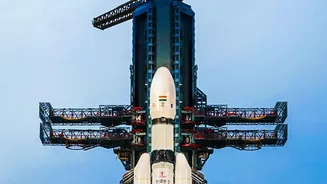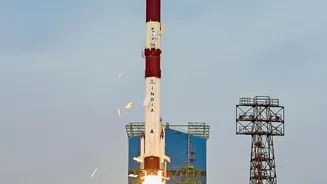





Cost-Effective Launch Vehicles
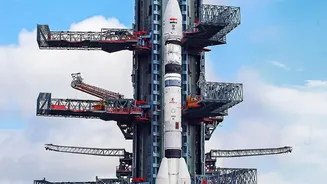
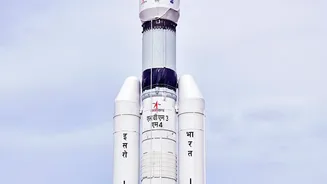
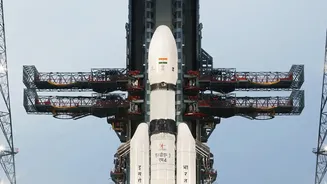
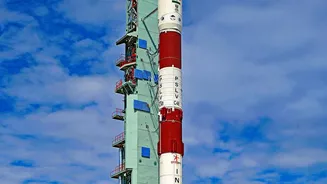
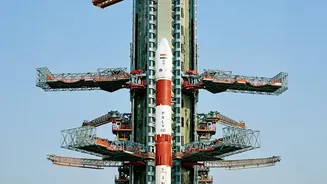
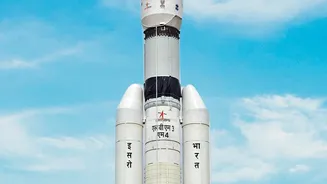
The most visible part of the space race is the rocket itself. While ISRO has been the sole player for decades, the global market for launching small satellites (under 500 kg) is exploding. Startups like Skyroot Aerospace and Agnikul Cosmos are pioneering
this segment in India, developing smaller, more frequent, and cost-effective launch vehicles. By using innovations like 3D-printed engines and modular designs, they can offer dedicated rides to orbit for small satellite operators who would otherwise have to wait for a rideshare on a larger rocket. This 'cab service' to space is a foundational piece of the new space economy, making it cheaper and faster for everyone to get their hardware into orbit.
Downstream Data and Analytics Services
Launching satellites is just the beginning; the real, sustained value often lies in what you do with the data they collect. This is the 'downstream' sector, and it's where many experts see the largest economic opportunity. Indian startups are already building platforms that translate raw satellite imagery and data into actionable business intelligence. For example, SatSure provides 'decision intelligence' for agriculture and finance by analyzing earth observation data. Think of it as using eyes in the sky to predict crop yields, monitor infrastructure projects, or assess climate risks for insurance companies. As more satellites go up, the demand for companies that can make sense of all that data will only grow.
Satellite Constellations for New Applications
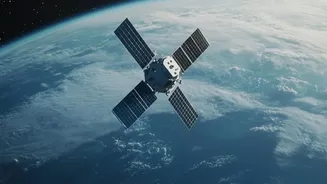
Instead of one large, complex satellite, companies are now launching constellations of dozens or hundreds of smaller ones that work together. India's Pixxel is a global leader here, building a constellation of hyperspectral imaging satellites. These can see the Earth in hundreds of colours, revealing details invisible to the human eye, such as soil composition, signs of pollution, or mineral deposits. Another startup, GalaxEye, is developing the world's first satellite that combines optical and radar imaging, allowing it to see through clouds and at night. These constellations will power new services in everything from precision agriculture and disaster management to defence and urban planning.
In-Orbit Servicing and Debris Removal
As low-Earth orbit gets more crowded, two new needs emerge: servicing existing satellites and cleaning up the junk left behind. This is creating a market for 'in-orbit services'. Imagine a roadside assistance service for satellites—refuelling, repairing, or repositioning them to extend their life. The flip side is space debris removal. With tens of thousands of tracked objects posing a collision risk, a market is rapidly emerging for technologies that can safely capture and de-orbit dead satellites and rocket stages. The global market for debris monitoring and removal is projected to grow significantly, creating a critical and lucrative niche for startups focused on keeping space sustainable.
Components and Subsystems Manufacturing
Not every startup needs to build a full rocket or satellite. There is a massive opportunity in supplying the high-tech components that go into them. This includes everything from advanced propulsion systems, like those being developed by Bellatrix Aerospace, to avionics, communication systems, and space-grade electronics. The Indian Space Policy 2023 actively encourages private sector participation in manufacturing, aiming to build a robust domestic supply chain. By specializing in a critical subsystem, Indian startups can become indispensable suppliers to both domestic and international space companies, building a reputation for quality and reliability in the global market.
Satellite Communications for Connectivity
While global giants like Starlink and OneWeb dominate the headlines, there is still a significant role for startups in the satellite communications (SatCom) sector, especially in an Indian context. The goal is to provide reliable, high-speed internet and communication services to remote and underserved areas where terrestrial infrastructure is lacking. This has huge implications for bridging the digital divide, enabling disaster relief operations, and providing connectivity for industries like shipping and logistics. Indian startups can develop niche SatCom solutions, ground station equipment, and user terminals tailored for local needs, playing a vital role in connecting the last mile.