

The festival season no longer just smells of marigolds and sweets; it buzzes with the notification of a package delivered. In homes across India, a fascinating blend is taking place as ancient traditions meet modern retail convenience.
From Bustling Bazaars to Digital Baskets
Not long ago, preparing
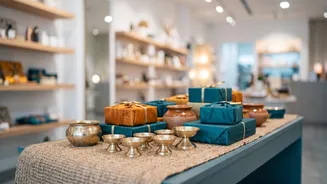
for a festival like Diwali or Ganesh Chaturthi meant a series of sensory-rich trips to the local market. It involved haggling for the freshest flowers, selecting hand-painted diyas from a trusted vendor, and carrying home boxes of freshly made sweets. This ritual was as much a part of the celebration as the festival itself—a communal experience steeped in tradition. Today, while the spirit remains, the process is rapidly evolving. The vibrant chaos of the bazaar now competes with the quiet efficiency of a digital shopping cart. E-commerce giants and quick commerce apps have become integral to festive preparations, fundamentally altering how households source everything from puja essentials to grand festive meals.
The 10-Minute Lifeline for Last-Minute Rituals
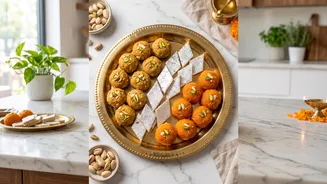
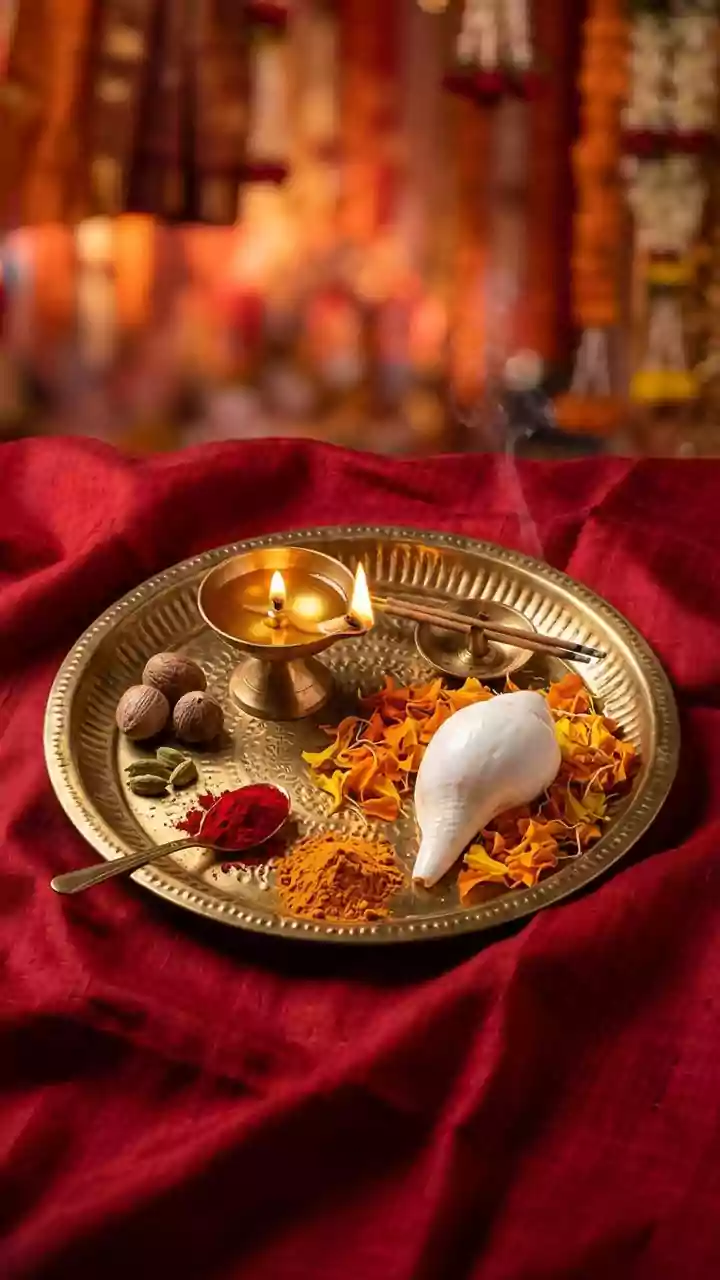
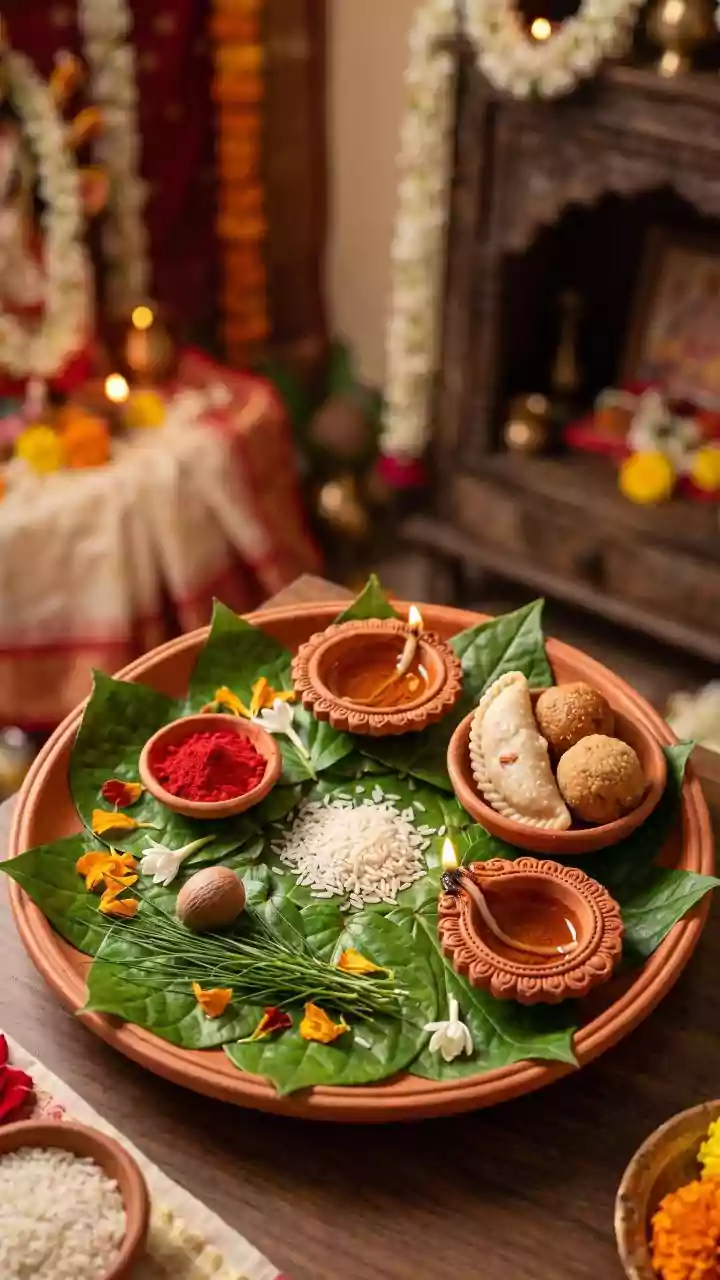
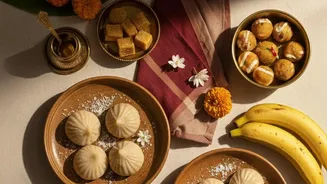
Quick commerce platforms have emerged as a game-changer, particularly for time-pressed urban families. Forgetting to buy coconut for the puja, running out of ghee for the diyas, or needing extra flowers for the morning rituals no longer requires a frantic dash to the store. These items can now arrive in minutes, turning potential festive mishaps into minor inconveniences. Platforms like Blinkit, Zepto, and Swiggy Instamart report massive spikes in orders for items like eco-friendly Ganesh idols, modaks, fasting snacks (vrat), and dandiya sticks during specific festivals. This isn't just about emergency top-ups; it's becoming a planned part of the festive routine, with households scheduling morning deliveries of fresh puja supplies. This convenience helps younger, busier generations participate more deeply in traditions they might otherwise find overwhelming to organise.
E-Commerce Widens the Festive Aisle
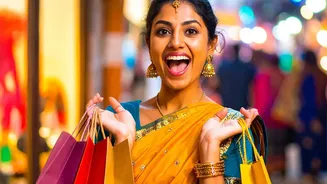
While quick commerce solves for immediacy, larger e-commerce platforms like Amazon and Flipkart are broadening access to festive goods. Families can now source specialty items from different regions—be it specific types of ethnic wear, handcrafted decorations, or niche food ingredients that aren't available locally. This trend is particularly significant in Tier 2 and Tier 3 cities, which are driving a new wave of e-commerce growth. For younger shoppers, especially Gen Z, the festive journey often begins with digital discovery on social media, inspired by creators rather than a direct product search. They are looking for complete festive 'looks' and experiences, blending apparel with accessories and decor, a behaviour that platforms are increasingly catering to.
Is Tradition Diluted or Redefined?
The shift to online shopping naturally raises questions about the future of traditional markets and local artisans. While the convenience is undeniable, there is a concern that it might erode the cultural fabric of community shopping and affect the livelihoods of smallndscale vendors who depend on seasonal footfall. However, the picture is more nuanced. Many households are adopting a hybrid model. They might order bulk items and electronics online while still visiting the local market for personally selected items like idols, sweets, and handmade crafts. Some e_commerce platforms are also providing a larger market for small and medium businesses from non_metro areas, giving them access to a national customer base they previously couldn't reach. In this sense, technology isn't just replacing tradition; it's creating new pathways for it to adapt and survive.
The New Festive Blueprint
The modern Indian festive household operates on a new blueprint—one that honours the past while embracing the efficiencies of the present. A family might perform a puja with flowers delivered by a 10_minute app, wear clothes bought from an online sale, and share sweets sourced from a famous shop in another city, all while connecting with relatives over a video call. This blend isn't a compromise but a redefinition. It allows tradition to fit into the framework of modern life, ensuring that cultural practices are not just preserved but actively practised by a new generation. The essence of the celebration remains unchanged ; only the logistics have been upgraded for a new era.