



The Gardener's Monsoon Dilemma
For apartment dwellers across India, a balcony garden is a cherished green escape. However, the same monsoon that brings relief from the summer heat poses a significant threat to these container gardens. The primary danger is waterlogging. When pots are
saturated with excessive rain, the soil becomes deprived of oxygen, which is vital for root health. This can lead to root rot, a condition where roots turn brown, mushy, and start to decay. The signs often appear on the leaves first—they may turn yellow, wilt, or fall off, even when the soil is visibly wet. Beyond root rot, heavy rainfall can also cause fungal diseases, wash away essential nutrients from the soil, and physically damage delicate plants.
Enter: Modular Rain Shields
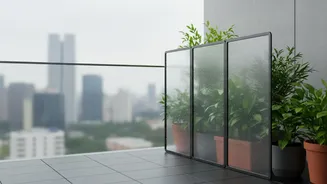
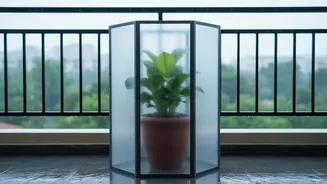
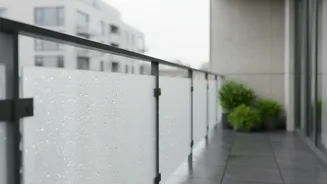
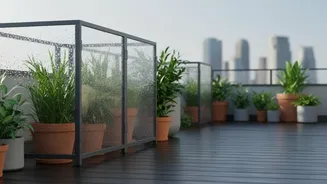
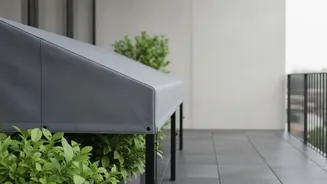
A practical and increasingly popular solution is the use of modular rain-proofing shields. These are not permanent, heavy-duty structures but rather adaptable covers designed to deflect the harshest downpours while still allowing ample light and air to reach your plants. These can range from professionally manufactured retractable awnings and polycarbonate canopies to simple DIY setups. The 'modular' aspect is key; it means they can be adjusted, moved, or resized to fit balconies of all shapes and sizes, from a small ledge to a larger terrace. Common materials include transparent PVC sheets, durable tarpaulins, polycarbonate panels, and even specialised zip blinds that offer protection against both rain and wind.
How They Work and What to Choose
The principle behind rain shields is simple: create an angled barrier that directs rainwater away from your pots without completely blocking the sky. A transparent or translucent material is ideal as it protects from the physical impact of heavy raindrops while ensuring your plants still receive the diffused sunlight they need to thrive. When choosing a shield, consider your balcony's specific needs. A retractable awning offers flexibility, allowing you to extend it during a downpour and pull it back on sunny days. For a more budget-friendly approach, a sturdy transparent tarp stretched over a PVC pipe frame can be highly effective. Look for materials that are UV-resistant to prevent them from becoming brittle and breaking down in the sun. Ensure any frame is securely anchored to your balcony railings to withstand monsoon winds.
DIY Rain-Proofing Solutions
You don't necessarily need to buy a ready-made system. Many effective rain shields can be created with materials from a local hardware store. A simple frame built from PVC pipes can support a clear plastic sheet, which can be secured to balcony railings with zip ties. Another option involves using individual pot covers, which can be crafted from materials like old placemats or sturdy disposable plastic trays. These small covers protect the soil of individual pots from getting oversaturated. For a greener look, you can install a trellis and encourage creepers to grow, which can help break the force of the rain, although this offers less direct protection than a solid cover.
More Tips for a Monsoon-Ready Balcony
Shields are a great first line of defence, but other practices can further safeguard your garden. First, ensure all your pots have clear drainage holes. Elevating your pots slightly using bricks, stones, or pot stands allows excess water to escape freely and prevents the base from sitting in a puddle. During periods of heavy rain, it’s best to remove any saucers from under the pots, as they can trap water. Also, consider your plant choices. Some species like hibiscus, periwinkle, bougainvillea, and jasmine thrive during the Indian monsoon and are more resilient to wet conditions. Finally, adjust your watering schedule. Just because it's raining doesn't mean you should stop watering entirely, but always check the soil's moisture level an inch or two down before adding more water.