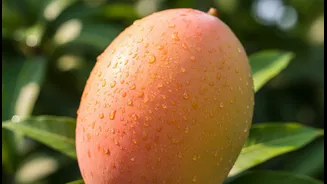

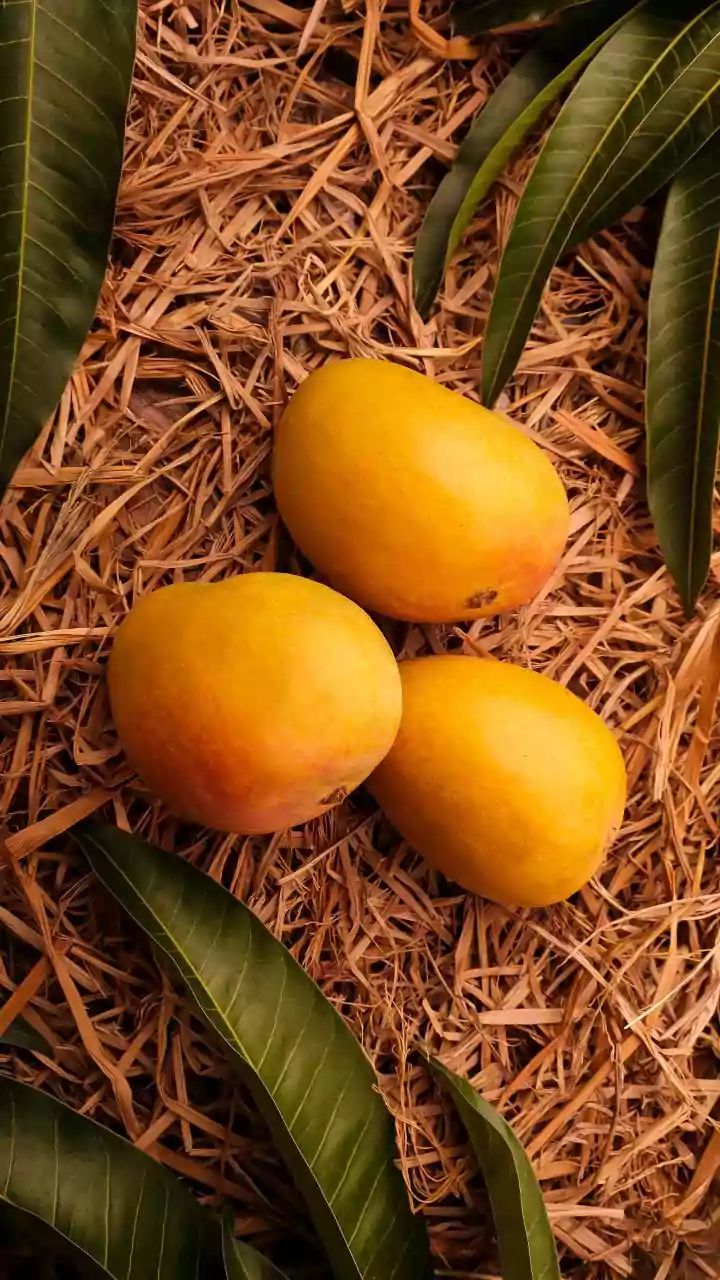
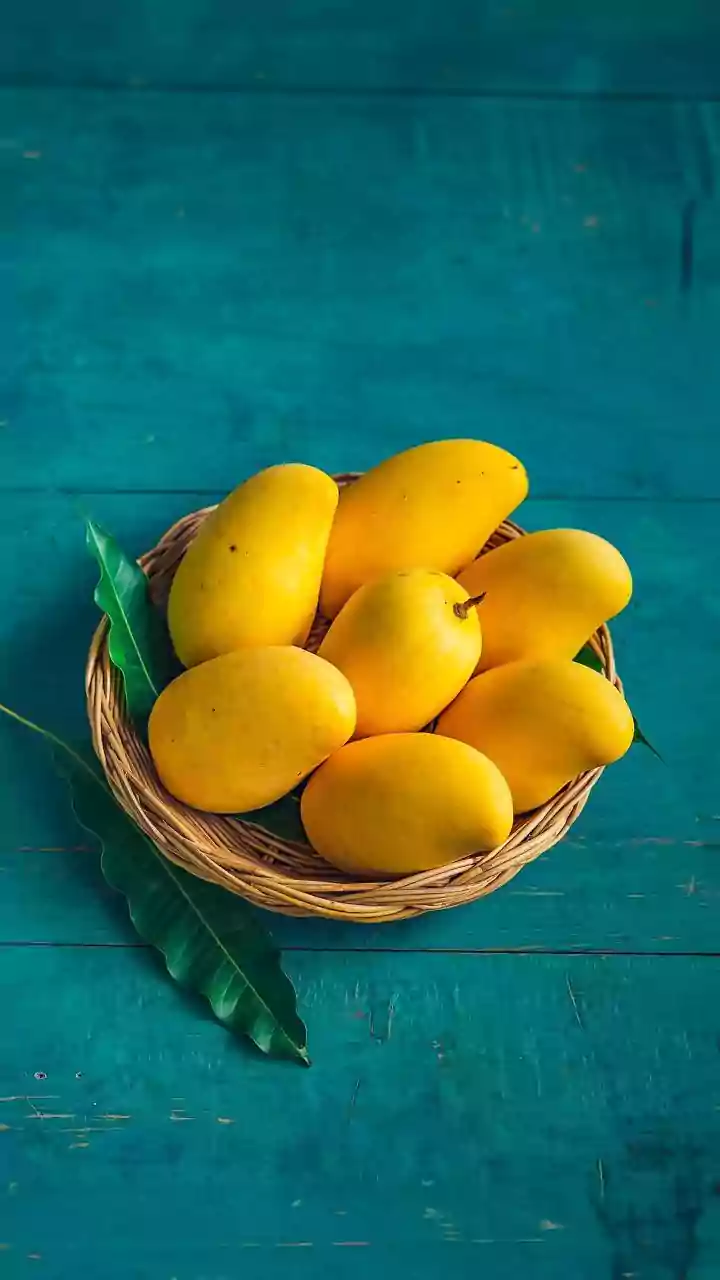


A Celebration of Sweetness
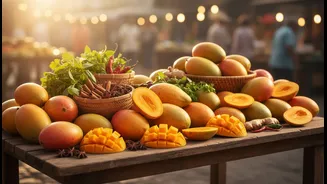
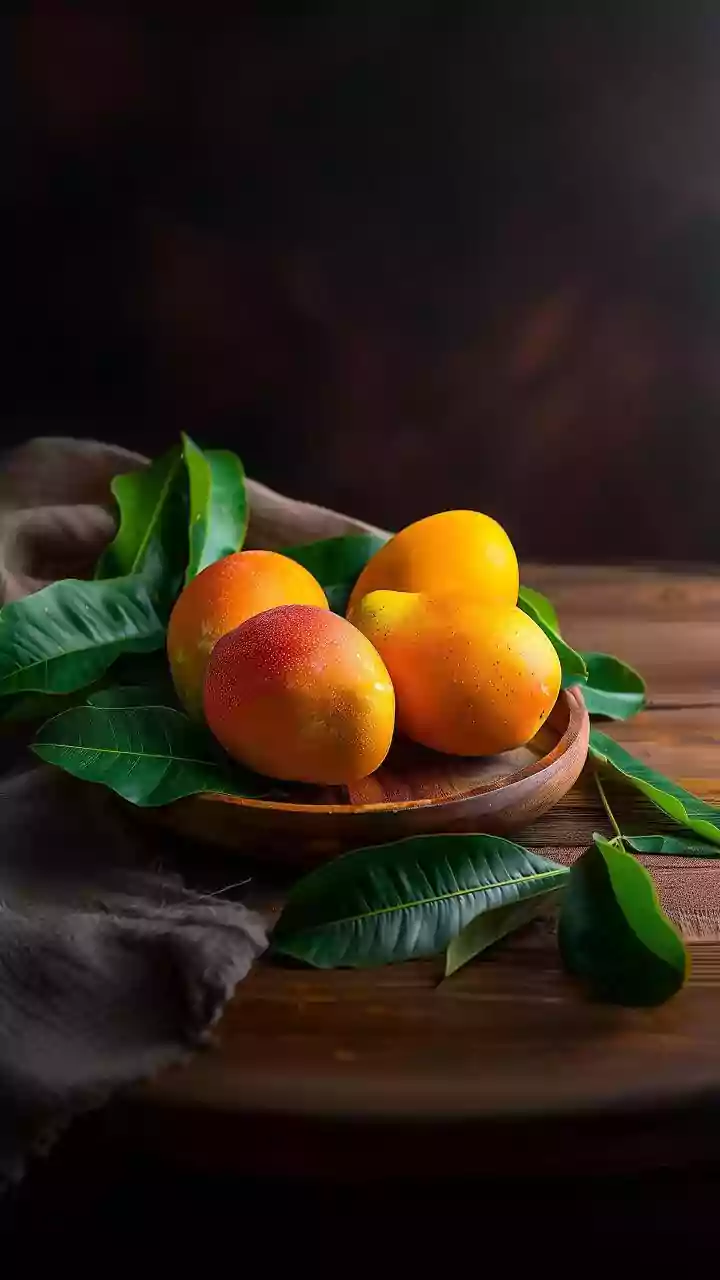
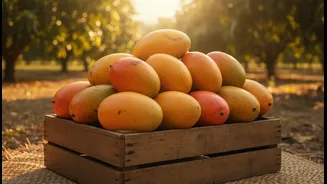
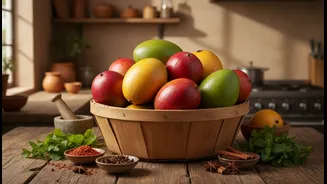
For many, the Indian summer is defined by the sticky-sweet joy of eating mangoes. Mango festivals, held in cities like Delhi, Lucknow, and across states like Haryana and Goa, are the grandest stage for this national obsession. The air buzzes with excitement
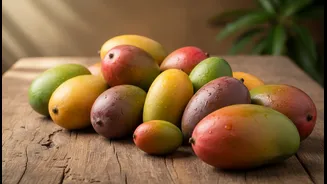
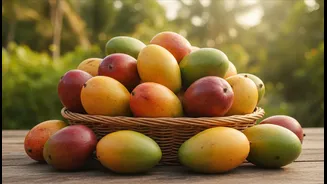
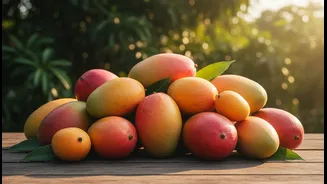
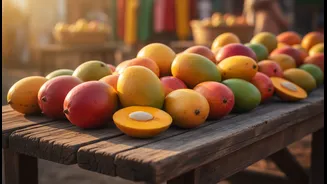
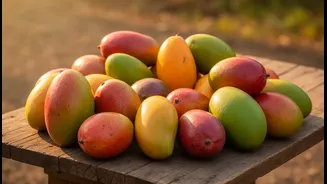
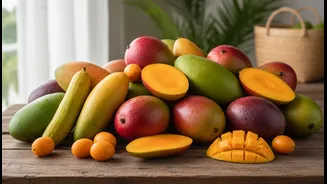
as families hop between stalls, sampling hundreds of varieties from across the country. From the famed Alphonso and tangy Langra to the sweet Dasheri, these festivals are a sensory overload. They feature everything from mango eating competitions to chefs demonstrating innovative mango-based recipes. These events serve as a delicious introduction to the sheer diversity of a fruit that is deeply interwoven into the fabric of Indian life, representing abundance, joy, and the very essence of summer.
A Living Library of Mangoes
Beyond the immediate pleasure of tasting, these festivals serve a critical conservation purpose. India is home to an estimated 1,500 mango varieties, but many of these are at risk of disappearing due to the rise of commercial monoculture farming. Festivals provide a crucial platform for farmers, often called 'custodian farmers', who have dedicated themselves to preserving these rare and traditional varieties. Events like the International Mango Festival in Delhi, which has been running since 1987, showcase over 400 or 500 types of mangoes, many of which would never be found in a typical market. By displaying and selling these heritage fruits, festivals create a market for them, incentivising farmers to continue cultivating unique varieties like Karuppatti Kai from Tamil Nadu or Kalbhavi Maavu from Karnataka.
Empowering the Growers
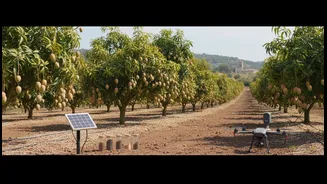
Mango festivals are not just for consumers; they are vital for the agricultural community. They act as an interactive platform connecting growers from different regions, allowing them to exchange knowledge, techniques, and even plant materials. Some festivals include workshops on grafting, cultivation, and sustainable farming practices, empowering farmers to improve their yields and protect their crops. For many small-scale farmers, these events offer a rare opportunity to sell their produce directly to the public, bypassing middlemen and earning appreciation for their hard work in preserving agricultural biodiversity. This direct connection helps ensure that the economic benefits of these unique fruits flow back to the communities that protect them.
The Heartbeat of Summer Culture
The mango is more than just India's national fruit; it's a cultural icon, woven into mythology, literature, and daily rituals. Mangoes are symbols of love and prosperity, with their leaves used as auspicious decorations during weddings and festivals. The fruit anchors countless summer memories: of long, lazy afternoons, of families gathering to share crates of mangoes, and of the unique regional recipes passed down through generations, from aamras in the west to tangy mango dals in the south. Mango festivals are a living embodiment of this culture. They are communal affairs that bring people together, filled with folk music, dance, and storytelling, celebrating a shared heritage that is renewed with each juicy bite.