






The Process: What ‘Cold-Pressed’ and ‘Refined’ Really Mean
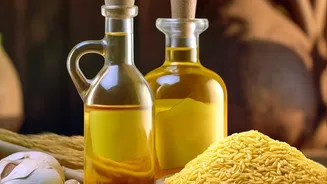
The primary difference between these oils lies in how they are made. Cold-pressed oil, known in India as ‘kachi ghani,’ is extracted by simply crushing oilseeds at a low temperature. This mechanical process is gentle, preserving the oil's natural nutrients,
colour, and pungent aroma. Refined oils, on the other hand, go through a multi-stage industrial process. Extraction often involves high heat and chemical solvents to get the maximum yield. Afterwards, the oil is subject to bleaching and deodorising to create a product that is clear, odourless, and has a longer shelf life. However, this intensive processing strips away most of the natural vitamins, antioxidants, and essential fatty acids.
A Nutritional Showdown
When you compare the nutritional labels, the benefits of the traditional method become clear. Cold-pressed mustard oil is a rich source of monounsaturated fatty acids (MUFA), which are considered healthy fats. It also boasts a healthy balance of omega-6 and omega-3 polyunsaturated fatty acids (PUFA), with a ratio of about 2:1 or 3:1. This ratio is considered ideal for reducing inflammation in the body. In contrast, many common refined oils, such as standard sunflower oil, are overwhelmingly high in omega-6 fatty acids and contain almost no omega-3s. This creates a highly imbalanced ratio of up to 65:1, which can contribute to chronic inflammation when consumed regularly. The refining process also removes many beneficial compounds that are naturally present in the seeds.
The Heart of the Matter: Health Impact
The high concentration of MUFAs in cold-pressed mustard oil is linked to significant heart health benefits. These fats help lower levels of 'bad' LDL cholesterol while maintaining 'good' HDL cholesterol, supporting overall cardiovascular function. Furthermore, mustard oil contains a unique compound called Allyl Isothiocyanate (AITC), which is responsible for its pungent taste and possesses powerful antibacterial and antifungal properties. This compound is destroyed during the refining process. The main selling points for refined oils are their neutrality and stability. However, the nutritional trade-off is considerable. The loss of antioxidants and the imbalanced fatty acid profile mean they offer little more than 'empty calories' from a health perspective.
In the Kitchen: Flavour and Smoke Point
For the Indian cook, an oil's performance under heat is crucial. Cold-pressed mustard oil has a very high smoke point of around 250°C, making it extremely versatile and safe for everything from tadka and sautéing to deep-frying. Its characteristic sharp, pungent flavour is essential for traditional dishes like Bengali fish curries and is a natural preservative in pickles. Refined oils have a more moderate smoke point, typically around 225-230°C, which is suitable for most cooking but offers less of a safety margin for high-heat frying. Their key culinary feature is their neutral flavour, which allows the taste of the spices and other ingredients to dominate. This makes them a preferred choice for baking or in dishes where an oil flavour is not desired.
What About Erucic Acid?
You may have heard concerns about erucic acid, a fatty acid naturally found in mustard seeds. Some older studies on animals, which used extremely high doses, raised questions about its effect on heart health. However, no human studies have demonstrated negative effects at the levels found in a normal diet. India's food safety authority, FSSAI, approves mustard oil for cooking and it has been a staple in the subcontinent for generations without issue. The restrictions seen in some Western countries are based on different regulatory standards and do not reflect the long history of safe consumption in India.