



More Than Just a Burst of Flavour
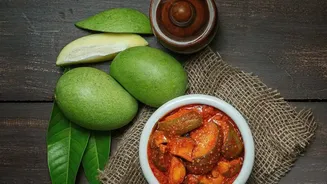
For generations, Indian meals have felt incomplete without a small spoonful of pickle. This culinary tradition, dating back over 4,000 years, was born from the need to preserve seasonal fruits and vegetables for the rest of the year. From the fiery 'avakaya'
of Andhra Pradesh to the sweet and sour lemon pickles of Gujarat, each region has its own treasured recipes. But beyond their role as a flavour enhancer, these heritage pickles, when made traditionally, are a reservoir of essential nutrients that can complement a modern diet.
A Treasure Trove of Vitamins and Minerals
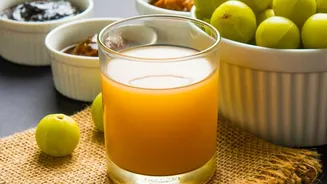
The primary ingredients in Indian pickles are often fruits and vegetables known for their dense nutritional profiles. Amla (Indian gooseberry) pickle, for example, is celebrated for its exceptionally high Vitamin C content, which is well-preserved during the pickling process. This vitamin is a powerful antioxidant that supports a strong immune system. Similarly, raw mango pickles can be a good source of Vitamins A and C, while lemon pickles provide a boost of Vitamin C and potassium. These micronutrients are vital for everything from skin health to protecting the body from cellular damage.
The Unsung Heroes: Spices and Fermentation
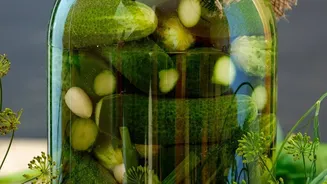
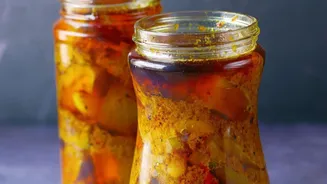
The magic of traditional Indian pickles lies not only in the main ingredient but also in the blend of spices and the method of preservation. Spices like turmeric, fenugreek (methi), and mustard seeds are not just for flavour; they are packed with their own health benefits. Turmeric contains curcumin, known for its anti-inflammatory properties, while many spices add to the pickle's overall antioxidant content. Furthermore, traditionally made pickles are often fermented in salt and sunlight rather than preserved in vinegar. This natural fermentation process encourages the growth of beneficial bacteria, or probiotics. These probiotics are essential for maintaining a healthy gut, which aids digestion and improves the absorption of all those valuable nutrients.
Distinguishing the Good from the Generic
It is important to note that not all pickles are created equal. Many mass-produced commercial pickles use vinegar and pasteurisation (heat treatment) to ensure a long shelf life. These processes can destroy the beneficial probiotic bacteria that are a key health benefit of traditionally fermented pickles. Authentic, homemade, or traditionally prepared pickles rely on salt, oil, and natural fermentation, which preserves these live cultures. To reap the micronutrient and probiotic benefits, choosing pickles that are naturally fermented is key.
Enjoying Pickles Wisely: A Note on Moderation
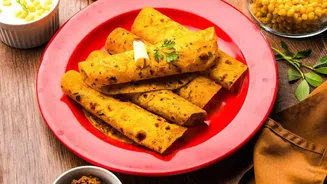
While packed with benefits, Indian pickles are meant to be a condiment, not a main dish. Their high salt and oil content, necessary for preservation, means they should be consumed in moderation. A small spoonful with a meal is typically enough to enjoy the complex flavours and nutritional perks without overloading on sodium or fat. For individuals with high blood pressure or those on a low-sodium diet, it's particularly important to be mindful of intake. The goal is to use pickles as they were intended: as a delicious, nutrient-dense accent to a balanced meal.