



The morning meal sets the stage for the day ahead, and small additions can make a big nutritional difference. Among the easiest and most effective upgrades are sunflower seeds, a surprisingly potent source of essential vitamins, minerals, and healthy
fats.
A Small Seed with Big Nutrition
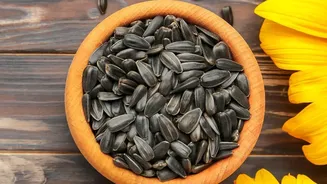
Often overlooked, sunflower seeds are a nutrient-dense food. Just a one-ounce (about a quarter cup) serving of shelled seeds packs a significant punch. This small portion provides around 6 grams of plant-based protein and over 3 grams of fibre. This combination of protein, fibre, and healthy fats helps slow down digestion, promoting a feeling of fullness that can last all morning. While they are calorie-dense, incorporating a measured serving is an efficient way to boost the nutritional value of your breakfast without consuming empty calories.
An Excellent Source of Vitamin E
Sunflower seeds are one of the best whole-food sources of Vitamin E, a powerful antioxidant. A single ounce can provide a large portion of your daily requirement. Antioxidants like Vitamin E play a crucial role in protecting the body's cells from damage caused by free radicals, which are linked to chronic diseases. This vitamin also helps reduce inflammation. Getting enough Vitamin E through your diet is associated with better heart health, as it may help lower 'bad' LDL cholesterol levels.
Rich in Magnesium for Energy and Mood
Magnesium is a vital mineral involved in hundreds of processes in the body, including energy production, muscle function, and nerve signaling. Many people don't get enough of this important nutrient, and sunflower seeds offer an easy and effective boost. A quarter-cup serving contains a significant amount of the daily recommended intake. Adequate magnesium levels are important for regulating blood pressure and are also linked to mood stabilization and mental well-being, as the mineral plays a role in neurotransmitter function.
Healthy Fats for Satiety and Heart Health
The majority of the fat found in sunflower seeds is unsaturated, including both monounsaturated and polyunsaturated fats. These are considered 'good' fats that are beneficial for heart health. In particular, they are rich in linoleic acid, an essential fatty acid that the body cannot produce on its own. These fats contribute to lowering cholesterol levels and relaxing blood vessels, which supports healthy blood pressure. Furthermore, the fat content is a key reason why sunflower seeds are so satisfying; it slows digestion and contributes to that lasting feeling of fullness, helping to prevent mid_morning snack cravings.
Easy Ways to Add Seeds to Your Morning
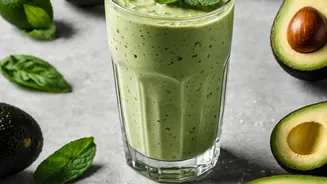
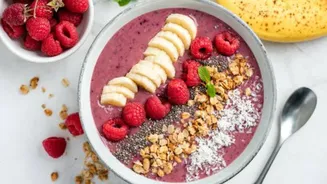
Incorporating sunflower seeds into your breakfast is simple and versatile. Their mild, nutty flavour complements a wide range of dishes. You can sprinkle a tablespoon or two over a bowl of oatmeal, yogurt, or breakfast cereal for an instant boost in texture and nutrition. They can also be blended into smoothies to add creaminess, protein, and healthy fats that will keep you feeling full for longer. For those who enjoy a savoury start, try adding them to scrambled eggs for a surprising and pleasant crunch. You can also use sunflower seed butter as a spread on whole_grain toast, providing a great alternative for those with nut allergies.