



The Rise of 'Immunity' on Reels
It’s a familiar sight on Instagram Reels: a short, snappy video shows someone blending a bright green smoothie or brewing a steaming cup of golden milk. The caption promises to “boost your immunity” in a few easy sips. This trend has exploded in popularity,
especially in India, where a rich tradition of using food as medicine finds a modern, aesthetic home on social media. The appeal is obvious. In a world more health-conscious than ever, the idea of a quick, natural fix is incredibly alluring. These videos are visually satisfying, easy to digest, and offer a sense of control over our well-being. They tap into a desire for simple solutions, transforming ancient kitchen wisdom—like the power of haldi (turmeric) or amla—into trendy, shareable content. But as these recipes rack up millions of views, it’s important to ask: how much of this is science, and how much is just good marketing?
Decoding the Star Ingredients
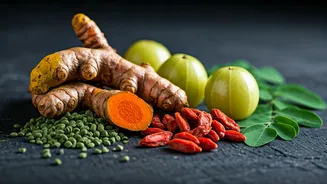
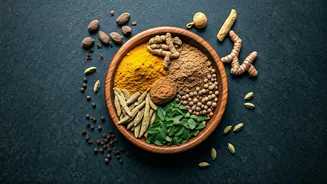
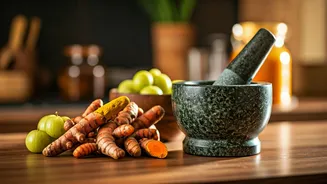
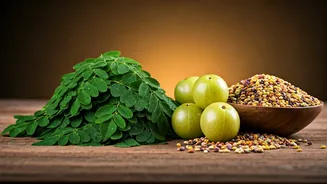
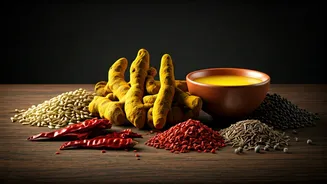
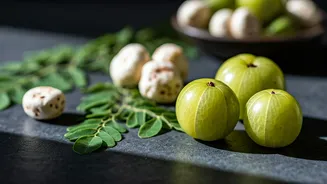
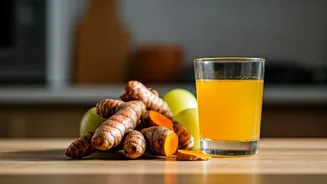
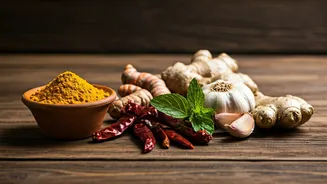
At the heart of this trend are a few key ingredients. Turmeric is the undisputed star, with 'haldi doodh' or 'golden lattes' appearing everywhere. Turmeric contains curcumin, a compound with well-documented anti-inflammatory properties. While inflammation is a natural part of the immune response, chronic inflammation can be harmful. Curcumin can help manage this, but there's a catch: it's not easily absorbed by the body. Many Reels miss the crucial detail that adding a pinch of black pepper, which contains piperine, can increase curcumin absorption significantly. Then there's amla, or Indian gooseberry, celebrated as a Vitamin C powerhouse. Vitamin C is essential for the function of various immune cells. Similarly, ginger and garlic, staples in most Indian kitchens, contain compounds like gingerol and allicin, which have antimicrobial and anti-inflammatory effects. These ingredients are genuinely good for you, packed with beneficial compounds that our ancestors understood intuitively. The problem arises when they are presented as magical shields against illness.
Boosting vs. Supporting: A Key Difference
Here's the most important distinction that most social media trends miss: you can't really 'boost' your immune system. The term, beloved by marketers, suggests you can turn your body’s defence system up to eleven, like a volume dial. In reality, a healthy immune system is one that is balanced, not overactive. An overactive immune response is what leads to autoimmune diseases, where the body attacks itself. What these foods can do is *support* the healthy, normal functioning of your immune system. They provide the essential vitamins, minerals, and antioxidants that your immune cells need to do their job properly. Think of it like providing high-quality raw materials to a factory. You aren't 'boosting' the factory's output, but you are ensuring it has everything it needs to run efficiently and effectively. Viewing these foods as 'supporters' rather than 'boosters' is a more accurate and healthier mindset.
What the Reels Don't Show You
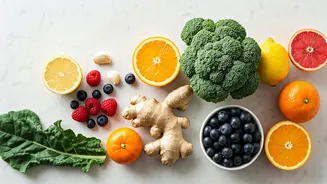
A 30-second Reel can't capture the full picture of immune health. It can show you how to make a beautiful amla shot, but it can't show you the importance of a consistently balanced diet. A vibrant diet rich in a variety of fruits, vegetables, lean proteins, and whole grains provides a wide spectrum of nutrients your body needs—far more than any single 'superfood' can offer. The Reels also don't talk about lifestyle factors that are arguably more critical for a strong immune system. Are you getting 7-8 hours of quality sleep per night? Sleep is when your body produces and releases cytokines, a type of protein that targets infection and inflammation. Are you managing your stress? Chronic stress elevates cortisol levels, which can suppress immune function. Are you staying hydrated and getting regular, moderate exercise? These are the unglamorous, non-viral cornerstones of a resilient body.