



The Monsoon's Delayed Departure
The Southwest Monsoon, which typically begins its retreat from west Rajasthan around September 17, is showing signs of a slightly delayed exit this year. The India Meteorological Department (IMD) has indicated that conditions are becoming favourable for
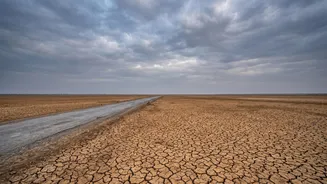
withdrawal to commence around September 19. While a two-day delay might not seem significant, it's part of a larger, more erratic pattern observed this season, which has been influenced by a strengthening El Niño. This has led to an overall rainfall deficit across the country, particularly in the south and northeast, but also spells of intense rain in other pockets. Before it fully retreats, a final burst of rainfall is expected in parts of northwest India, including Rajasthan, Punjab, Haryana, and Delhi, through September 18.
North India: Clear Skies Ahead for Diwali
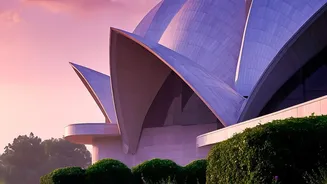
For those planning trips to North India's popular Golden Triangle (Delhi, Agra, Jaipur) or other parts of Rajasthan for the festive season, the news is largely positive. The monsoon's withdrawal from this region is imminent. While some lingering showers and thunderstorms may occur until around September 20, a massive incursion of dry air is expected to sweep away the moisture shortly after. This means that by the time major festivals like Dussehra and Diwali arrive, you can expect clearer skies, lower humidity, and pleasant daytime temperatures, making it ideal for sightseeing. However, be prepared for a potential short-term rise in temperatures as the cloud cover decreases before the winter cool sets in.
Coastal Getaways: A Mixed Bag
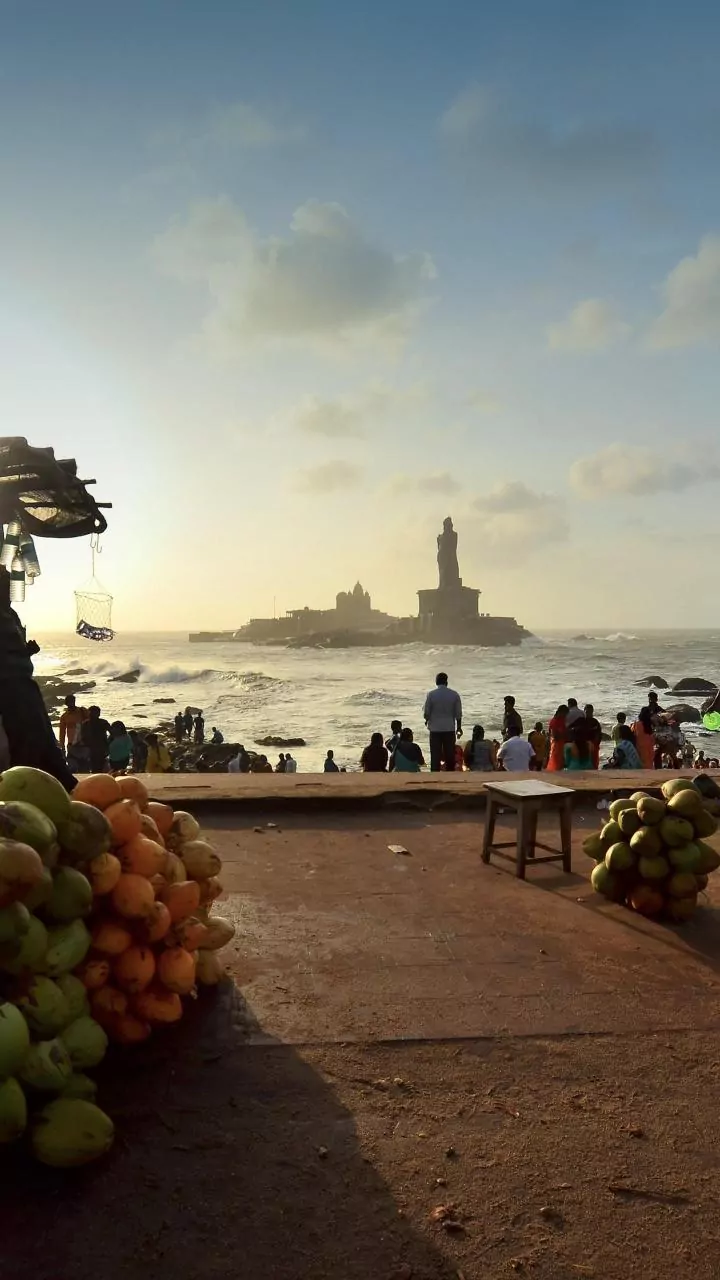
Destinations like Goa and Kerala are a different story. The monsoon's withdrawal is a much slower process in the south. The southern peninsula has seen a significant rainfall deficit this season, but the IMD has still forecast fairly widespread rainfall in Kerala and isolated heavy rainfall in coastal Andhra Pradesh through the third week of September. Furthermore, a potential cyclonic storm over the Bay of Bengal could keep rains active over central and eastern India for longer, potentially delaying the complete withdrawal from these areas. For travellers planning a beach holiday in October, this translates to a risk of continued, if sporadic, rain. While the post-monsoon greenery will be at its peak, it’s wise to build flexibility into your itinerary and keep a close eye on local forecasts before you travel.
Mountain Escapes: Proceed with Caution
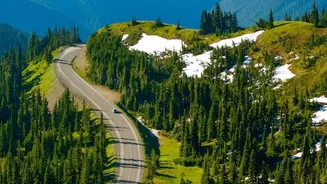
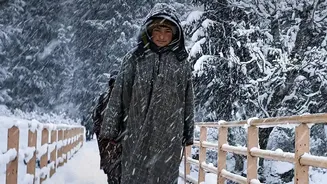
The Himalayas are beautiful post-monsoon, but a late withdrawal requires a cautious approach. The IMD has predicted widespread rains and thunderstorms in Jammu and Kashmir, Himachal Pradesh, and Uttarakhand through mid-September. Even as the monsoon officially retreats, the tail-end of the season can bring intense, isolated showers, increasing the risk of landslides and road blockages on mountain passes. While high-altitude cold deserts like Ladakh and Spiti are generally dry and offer clear skies in late September, the approach roads can be unpredictable. If you are planning a trip to a hill station, it's crucial to check road conditions, allow for extra travel days, and have a backup plan. The stunning green landscapes are a major draw, but safety should be the top priority.
A Look Ahead: A Warmer Winter?
Looking towards the core winter months of December and January, the prevailing El Niño conditions could play a significant role. Strong El Niño events are often linked to warmer-than-average temperatures across India. While this doesn't mean winter will be cancelled, it could translate to milder conditions and fewer severe cold wave days, particularly in the northern plains. One forecast from the World Meteorological Organization has warned that the powerful El Niño is highly likely to continue until February, suggesting a broad risk of above-normal temperatures. For travellers, this might mean a more pleasant sightseeing experience in Delhi or Rajasthan during the day, though nights will still be cold. However, winter weather is complex, and other factors, like the Indian Ocean Dipole, also influence the final outcome.