



The Ghost Pepper’s New Groove
For years, the Bhut Jolokia, or ghost pepper, was famous for one thing: being one of the world's hottest chillies. It was the star of viral internet challenges and a symbol of extreme eating. But in city cafés across India, the ghost pepper is shedding
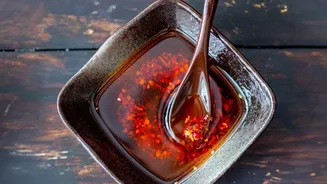
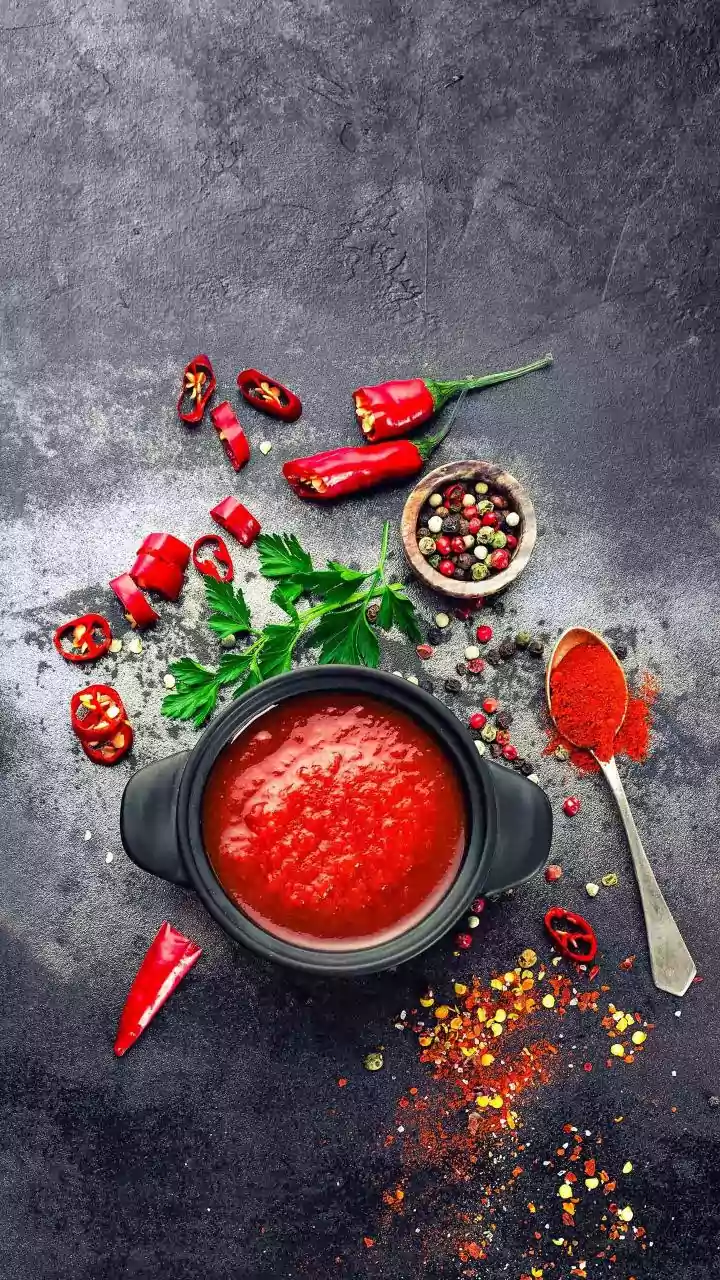
its gimmicky reputation and being appreciated for its complex flavour. Chefs are looking past the sheer heat to harness its unique smoky and subtly fruity undertones. Instead of being a dare, it’s now a sophisticated ingredient. You might find it infused in a cocktail for a surprising kick, blended into a dipping sauce that balances heat with sweetness, or used in a marinade that gives grilled meats an unforgettable warmth. This shift marks a new maturity in how urban diners approach spice—moving from a contest of tolerance to an appreciation of flavour. The Bhut Jolokia, once a regional powerhouse from Assam and Nagaland, is finally being celebrated for its culinary depth, not just its Scoville rating.
The Funk and Flavour of Fermentation
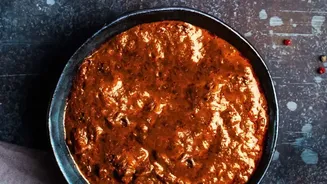
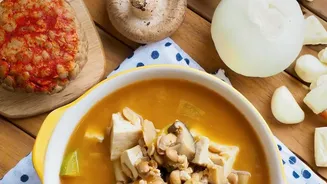
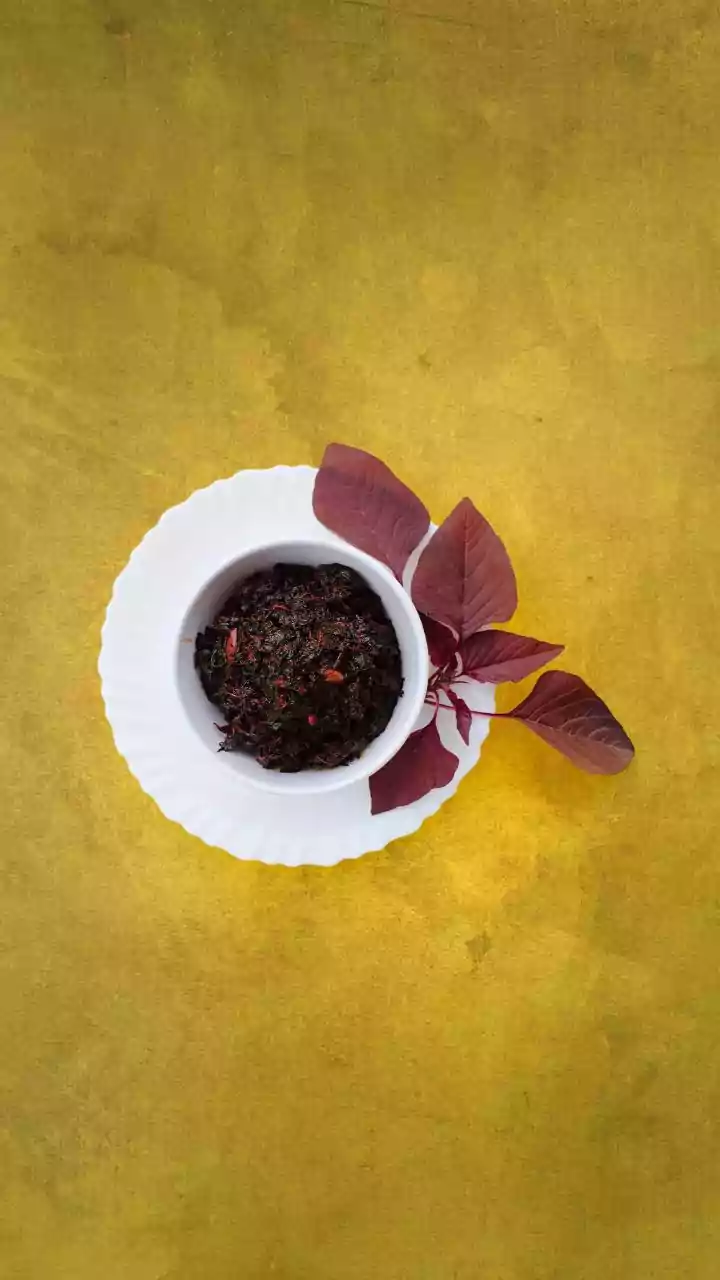
Alongside the fiery Bhut Jolokia, a different kind of flavour is making its mark: the deep, savoury funk of fermented pastes from the Northeast. The most prominent of these is Axone (also called Akhuni), a fermented soybean product that is a cornerstone of Naga cuisine. For the uninitiated, its strong, pungent aroma can be surprising. But for those who grew up with it, that smell is an appetiser. Axone delivers a powerful blast of umami—the fifth taste, often described as meaty or brothy—that adds incredible depth to stews, curries, and chutneys. This surge in interest couldn't be timed better. Across urban India, there's a massive wellness-driven revival of fermented foods. Diners are actively seeking out everything from kombucha to traditional pickles for their gut-health benefits. This has created the perfect environment for ingredients like Axone and fermented bamboo shoots (khorisa) to enter the mainstream. Cafés are using these pastes as flavour bases for sauces, vinaigrettes, and even contemporary dips, introducing a whole new world of savoury complexity to their patrons.
From Home Kitchens to High Streets
So, what’s driving this trend? A major factor is the growing number of chefs and culinary entrepreneurs from the Northeast who are now based in metropolitan cities. They are acting as passionate cultural ambassadors, using their platforms to challenge stereotypes and introduce the foods of their childhood to a wider audience. Through pop-ups, collaborations, and innovative restaurant menus, they are translating traditional dishes for a modern, urban palate. For instance, a classic pork salad might be served on crostini, or a traditional breakfast rice dish reimagined as a plated dessert. This is happening at a time when urban Indian diners are more adventurous than ever. Tired of the same generic offerings, there is a growing curiosity about authentic, regional Indian cuisines that have long been underrepresented in the mainstream dining scene. People are looking for a story with their food, and the rich, distinct culinary traditions of the Northeast offer exactly that.
A Culinary Bridge to the Northeast
Ultimately, the appearance of Bhut Jolokia and Axone in city cafés is more than just a passing food trend; it's a sign of a deeper cultural shift. For decades, the cuisine of Northeast India was poorly understood by the rest of the country, often reduced to just momos or dismissed for its strong, unfamiliar smells. The current trend is helping to build a culinary bridge, fostering a newfound appreciation for the region's rich and diverse food heritage. By incorporating these ingredients, city cafés are not just diversifying their menus—they are participating in a larger conversation about identity and inclusion. They are making a statement that Indian food is not a monolith but a vibrant tapestry of regional flavours. Each dish that successfully uses a Naga herb or an Assamese chilli helps normalise these tastes, making them a celebrated part of India’s national culinary landscape rather than a niche interest.