



The Foundation of Fragility
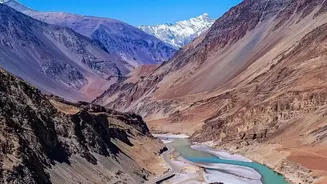
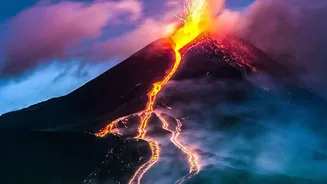
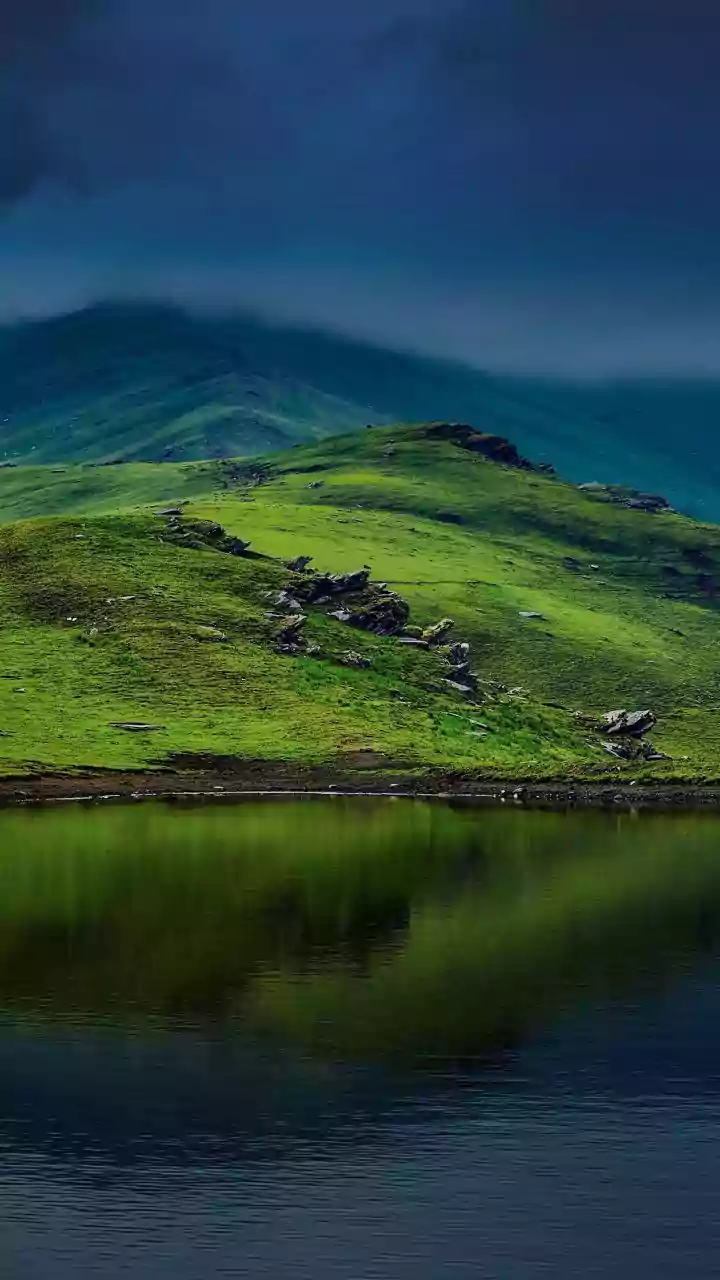
Nepal's breathtaking mountain scenery is also the source of its inherent vulnerability. The Himalayas are geologically young and active mountains, formed by the ongoing collision of the Indian and Eurasian tectonic plates. This constant geological pressure
makes the terrain exceptionally fragile, characterized by steep, unstable slopes and fractured bedrock. The mountains are constantly being pushed upwards, creating dramatic reliefs from river valleys to peaks, which makes them highly susceptible to the force of gravity. This geological youth means the rock and soil are not as compacted or stable as in older mountain ranges, creating a landscape that is primed for collapse. Earthquakes, another result of this tectonic activity, can further weaken and fracture these slopes, setting a dangerous stage long before the rains even arrive.
When the Skies Open
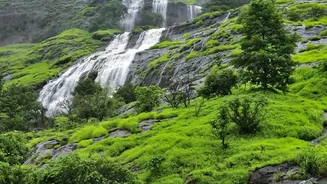
The South Asian monsoon is a powerful weather system that delivers about 80% of Nepal's total annual precipitation between June and September. This isn't a gentle, steady rain; it's often a series of intense, torrential downpours. When this enormous volume of water falls on the landscape, it acts as the primary trigger for disaster. The soil on the steep Himalayan hillsides becomes saturated, losing its internal cohesion and turning heavy. This added weight and lubrication from the water drastically reduces the stability of the slope, making it easy for huge sections of earth, rock, and debris to give way suddenly and without warning. This process transforms a stable mountainside into a mobile, destructive force.
A Deadly Combination: Landslides and Floods
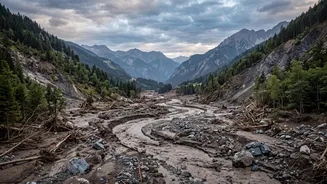
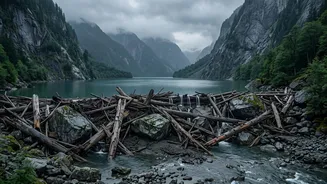
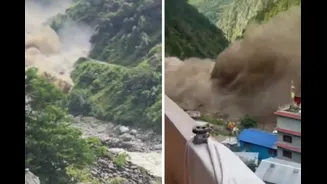
When heavy monsoon rain meets fragile terrain, the most common results are landslides and floods, which often occur in a devastating cascade. A landslide can happen on its own, burying homes and roads in a torrent of mud and rock. But it can also create a secondary disaster. When a massive landslide crashes into a narrow river valley, it can form a temporary dam, blocking the flow of water. Water builds up rapidly behind this unstable barrier of debris. Eventually, the immense pressure of the accumulated water causes the dam to burst, releasing a sudden, violent flash flood downstream. This wall of water, mud, and boulders moves with incredible force, destroying everything in its path, including bridges, hydropower projects, and entire settlements located along the riverbanks.
The Human and Climate Amplifiers
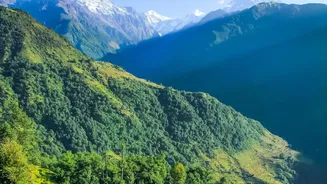
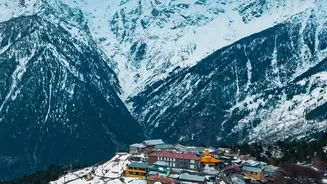
Natural forces are not the only factors at play. Human activities and climate change are significantly worsening the threat. Unplanned construction of roads and settlements on vulnerable slopes can destabilize the terrain, triggering landslides. Similarly, deforestation removes the vital network of tree roots that help hold soil in place, making hillsides more susceptible to erosion and collapse. Compounding this is the impact of climate change. Rising global temperatures are making the monsoon more erratic, leading to longer dry spells followed by shorter, more intense bursts of extreme rainfall. This pattern exacerbates the risk of both flash floods and landslides. Furthermore, rising temperatures are causing Himalayan glaciers to melt at an accelerated rate, increasing the risk of Glacial Lake Outburst Floods (GLOFs), where meltwater lakes burst their banks, causing catastrophic downstream flooding.