






It was a team that seemed destined for glory. Ronaldo, Ronaldinho, Kaká, and Adriano. But Brazil's 2006 World Cup campaign ended not with a trophy, but with a whimper. What went wrong for one of the most talented squads ever assembled?
A Galaxy of Stars
On paper, the 2006
Brazil squad was an attacking dream. They arrived in Germany as defending champions, led by what was dubbed the 'magic quartet' or 'quadrado mágico'. This fearsome foursome included Ronaldo, the hero of the 2002 final; Ronaldinho, the reigning two-time FIFA World Player of the Year; Kaká, a rising force at AC Milan; and Adriano, a striker with a thunderous left foot. The expectation was not just that Brazil would win, but that they would do it with a level of flair rarely seen. The talent was so immense that coach Carlos Alberto Parreira, a man who won the 1994 World Cup with a pragmatic approach, felt pressure to unleash them all at once. This collection of superstars, backed by legendary full-backs Cafu and Roberto Carlos, made Brazil the overwhelming tournament favourites.
An Unbalanced Formation
The problem with the magic quartet was turning it from a fantasy concept into a functional tactic. Playing all four attackers created a significant imbalance. The formation left the midfield dangerously exposed, placing enormous pressure on the two holding midfielders, usually Emerson and Zé Roberto, to cover vast amounts of space. Furthermore, both Ronaldo and Adriano were primarily central forwards, which led to them occupying similar areas and a lack of attacking width. This tactical rigidity was compounded by the age of the team's iconic full-backs. Cafu and Roberto Carlos, both in their mid-30s, were no longer able to provide the same relentless engine-like support on the flanks that had defined previous Brazil teams. The team felt top-heavy, packed with individual brilliance but lacking collective cohesion.
Warning Signs in the Group Stage
Despite winning all their group games, Brazil's performances were far from convincing. Their opening match against Croatia was won by a moment of individual brilliance from Kaká, but the overall play was described as 'laboured' and 'uninspiring'. The team struggled to find the free-flowing rhythm everyone expected. Key players were not at their peak. Ronaldinho, exhausted from a long and triumphant season with Barcelona, looked a shadow of his usual self. Ronaldo, while he did score to become the World Cup's all-time leading scorer during the tournament, was visibly heavier and less mobile than in his prime. Adriano was also reportedly struggling with personal issues and fitness. The wins against Australia and Japan did little to quiet the growing sense that this team was not clicking as it should.
The Quarter-Final Collapse
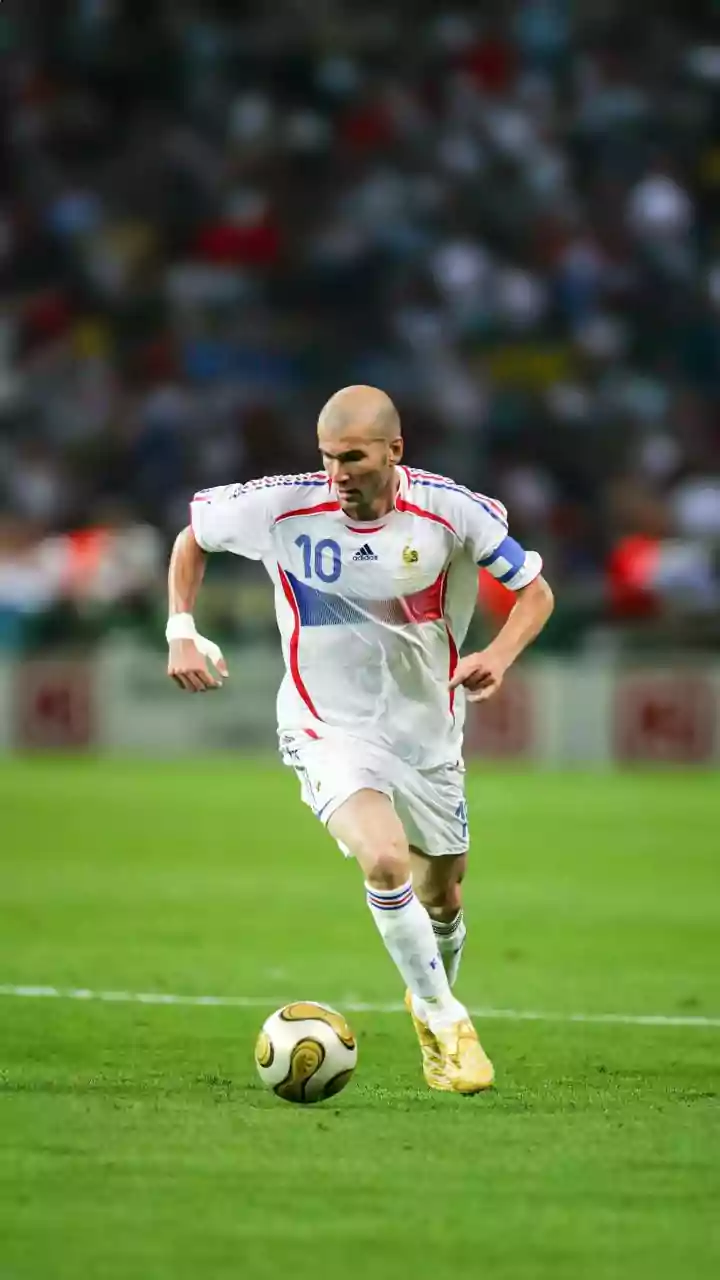
All of Brazil's underlying issues were ruthlessly exposed in the quarter-final against France. The French team, led by a masterful Zinedine Zidane, dominated the midfield. Zidane orchestrated the game, finding space with ease and highlighting Brazil's lack of defensive structure. The decisive goal came from a Zidane free-kick, which found Thierry Henry completely unmarked at the far post for a simple volley. The goal was a perfect illustration of Brazil's disorganisation. Coach Parreira's attempts to change the game were ineffective; his decision to substitute Adriano for midfielder Juninho at halftime was heavily criticized. Brazil barely threatened the French goal, and their star attackers were isolated and ineffective. The performance was so poor that Kaka later apologised, stating, 'we were not the real Brazilian national team'.
A Cautionary Tale
Beyond the tactical flaws, many reports from the time pointed to a circus-like atmosphere at Brazil's pre-tournament training camp in Switzerland. The camp was criticised for being overly commercialised and open, with a party-like feel that suggested a lack of focus. This contrasted sharply with the disciplined, professional approach of past World Cup winning sides. Ultimately, the failure of the 2006 team serves as a powerful cautionary tale in football. It demonstrated that a collection of brilliant individuals does not automatically make a brilliant team. Tactical balance, team chemistry, player fitness, and collective hunger are just as crucial as raw talent. For all its promise, the magic quartet ended up being a dream that was never fully realised on the pitch, a lesson in how potential alone is never enough to conquer the world.